Content gap identification is a structured process that analyzes missing, weak, or misaligned content across a website to ensure full coverage of user intent, search demand, and topic relevance. Content gaps refer to absent or insufficient information that fails to answer user queries, while content gap analysis identifies where those deficiencies exist across topics, keywords, formats, and buyer journey stages. This process matters because incomplete content reduces visibility, weakens authority, and limits engagement, while well-executed content gap identification aligns content with demand, improves discoverability, and supports both traditional search and AI-driven systems.
Content gap analysis operates by comparing existing content against user needs, competitor coverage, and search data to detect missing topics, underdeveloped sections, and untargeted queries. The process includes defining scope, identifying competitors, performing keyword and topic research, filtering and analyzing data, auditing existing content, and creating a structured plan. Content gap analysis differs from keyword gap analysis because content gap analysis focuses on depth, structure, and completeness, while keyword gap analysis focuses on missing search terms. Both approaches work together, where keyword gaps define what to target and content gaps define how to cover topics effectively.
Content gaps create significant problems because they reduce SEO performance, weaken user experience, and shift demand toward competitors. Missing content, query pipeline issues, restrictive filters, invalid syntax, lengthy queries, and misspelled queries prevent content from being discovered or matched to intent. These gaps result in lower rankings, higher bounce rates, reduced conversions, and fragmented user journeys. Content gap analysis resolves these issues by identifying deficiencies in coverage, improving structure, aligning content with intent, and strengthening topical authority.
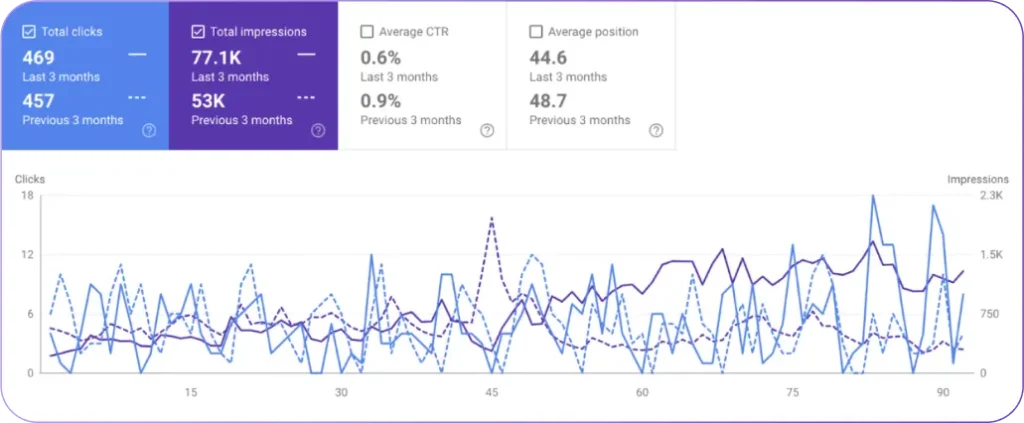
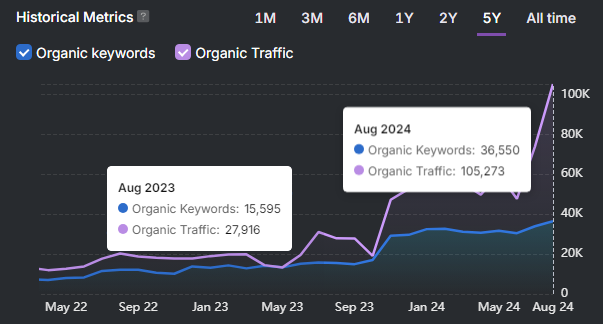
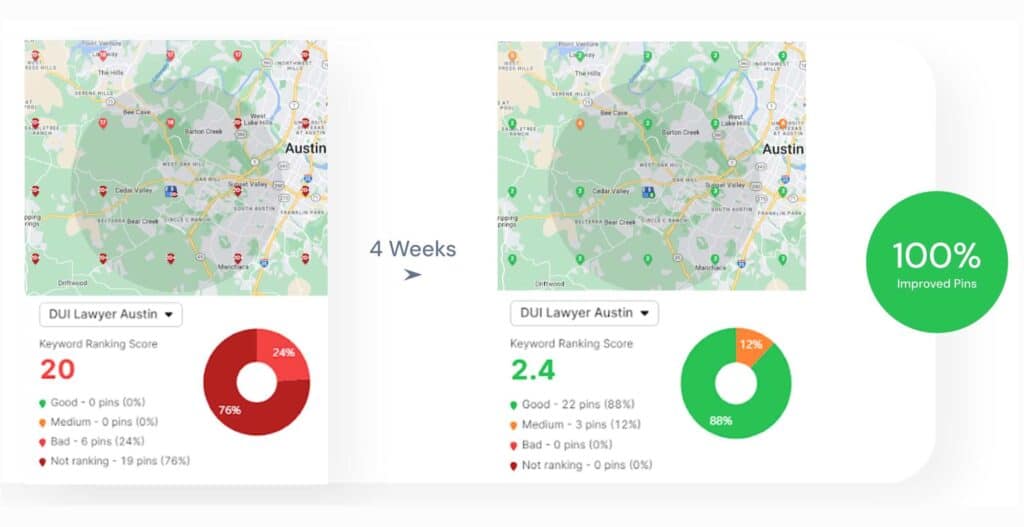
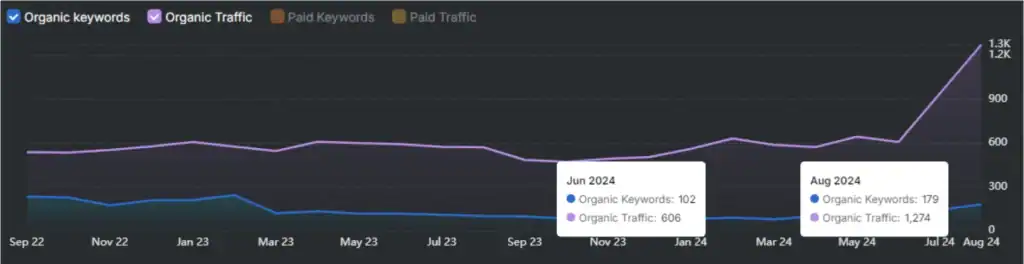
Content gap identification improves organic traffic, engagement, and business performance by expanding keyword coverage, enhancing content quality, and aligning content with search intent. Businesses applying content gap analysis achieve higher rankings, increased impressions, and measurable traffic growth through optimized content, internal linking, and continuous updates. The benefits include improved SEO visibility, stronger competitive positioning, better resource allocation, and data-driven decision-making. Tools (Search Atlas, Semrush, Ahrefs, Moz Pro, MarketMuse) support this process, with Search Atlas providing the most complete system by combining keyword analysis, content optimization, and AI visibility tracking.
What Are Content Gaps?
Content gaps are deficiencies in a content strategy where the available information does not adequately answer the topics or questions that target audiences search for. Content gaps involve missing information, outdated information, shallow coverage, weak usability, unsuitable formats, missing keyword targeting, or absent content for different stages of the buyer journey. Content gaps matter because the deficiency exists in the information itself, not in grammar, design, or branding alone.
What properties define content gaps? Content gaps have 3 core properties, which are information deficiency, dynamic change, and measurable business impact. Information deficiency means the content does not answer enough relevant questions on a topic. Dynamic change means the gap shifts as information ages, search behavior changes, and audience interests change over time. Measurable impact means the gap reduces SEO performance, weakens credibility, increases support demand, and lowers conversion efficiency.
What types of content gaps exist? The main types of content gaps are missing content, outdated content, inadequate coverage, poor quality or usability, format gaps, keyword gaps, and buyer journey gaps. Missing content refers to absent guides, steps, or core explanations. Outdated content refers to information that no longer reflects current facts. Inadequate coverage refers to thin explanations with missing subtopics, examples, or expert detail. Poor quality or usability refers to content that is difficult to understand or poorly structured. Format gaps refer to a mismatch between the topic and the content format (text article, video, interactive experience). Keyword gaps refer to missed search opportunities across valuable queries. Buyer journey gaps refer to missing content for awareness, consideration, or decision stages.
How do content gaps function inside a digital content system? Content gaps depend on changing customer interests, changing industry trends, information decay, and limited resources, and content gap identification enables better user experience, stronger SEO performance, and fewer support requests. Content gaps compete directly with credibility, customer retention, and effective buyer journeys because unanswered questions push audiences toward competing sources. The concept gained importance in the early 2000s as digital content marketing and SEO matured, and the need for comprehensive topic coverage became clearer after advances in analytics platforms and Google’s Knowledge Graph in 2012.

What Is Content Gaps Identification?
Content gaps identification is a strategic analytical process that evaluates existing content against audience needs and competitor content to detect missing, weak, or underdeveloped topics and keywords. Content gaps identification refers to a structured method that compares what content exists with what users search and what competitors cover, and this process matters because it reveals where information fails to meet demand and where opportunities exist for visibility and growth.
What properties define content gaps identification? Content gaps identification has 3 core properties. They are data-driven analysis, strategic alignment, and competitive benchmarking. Data-driven analysis refers to evaluating search queries, clickthrough rates, and keyword performance to detect gaps. Strategic alignment refers to mapping identified gaps to business goals (traffic growth, conversions, engagement). Competitive benchmarking refers to comparing a domain against competitors to identify missing keywords and weaker topic coverage.
What types of content gaps does content gap identification detect? The main types of gaps detected are missing topics, underdeveloped topics, keyword opportunities, buyer journey gaps, and poor content quality. Missing topics refer to subjects not covered at all. Underdeveloped topics refer to shallow or incomplete content. Keyword opportunities refer to untargeted search queries with demand. Buyer journey gaps refer to missing content across awareness, consideration, decision, and retention stages. Poor content quality refers to weak explanations, missing examples, or a lack of supporting detail.
How does content gap identification function as a methodology? Content gaps identification belongs to digital marketing analytics and operates as a focused evaluation process that differs from full content audits by prioritizing speed and opportunity detection rather than exhaustive review. Content gaps identification connects directly with keyword research and competitor analysis, and this relationship enables fast discovery of weaknesses and new content opportunities within minutes instead of full-scale audits.
Why does content gap identification matter for performance and strategy? Content gaps identification improves digital performance because filling gaps increases visibility, retains users, and reduces acquisition cost. Content gaps identification aligns content with search behavior, and this alignment prevents users from leaving for competitors when answers are missing. Organizations that apply structured gap identification improve efficiency, reduce wasted content effort, and strengthen long-term content strategy outcomes.

Why Is Content Gap Identification Important?
Content gap identification is important because it improves strategic positioning, resource efficiency, competitive advantage, predictive capability, risk prevention, and measurable performance in content-driven systems. Content gap identification defines how organizations align content with real demand, and this alignment determines visibility, engagement, and business outcomes.
How does content gap identification create strategic advantage and business impact? Content gap identification increases visibility and authority by detecting overlooked topics and unmet user questions that competitors do not cover. Content gap identification identifies low-competition queries and high-demand topics, which increases SERP impressions, organic sessions, and qualified traffic. Content gap identification strengthens niche positioning because covering missing topics establishes expertise and differentiates a brand in competitive environments. Data shows that 61% of patients visit at least 2 healthcare websites before booking, which proves that content completeness directly affects decision outcomes.
Why does content gap identification improve efficiency and resource allocation? Content gap identification increases operational efficiency by directing time, budget, and effort toward high-impact content opportunities. Content gap identification reallocates resources away from low-value activities and toward content that drives measurable growth. AI-driven gap identification redirects up to 40% of annual marketing spend toward high-growth areas. Content gap identification aligns teams (Sales, Product Marketing, Customer Service) around shared content priorities, which reduces redundancy and improves execution speed.
What problems does content gap identification solve compared to traditional methods? Content gap identification eliminates inefficiencies caused by manual audits and fragmented analysis processes. Traditional audits require weeks of manual tracking across spreadsheets, competitor reviews, and keyword lists. Content gap identification replaces this process with structured analysis, which reduces time cost and increases accuracy. Manual processes fail to detect large-scale patterns and delay responses to emerging trends, which results in missed opportunities and outdated content strategies.
How does AI increase the importance of content gap identification? AI increases the importance of content gap identification by enabling predictive analysis and large-scale pattern detection across search behavior and content ecosystems. AI processes millions of data points (search queries, competitor data, engagement signals) and identifies correlations between trends, seasonality, and user intent. Content gap identification shifts from reactive analysis to predictive intelligence, where emerging topics and future opportunities are identified before competitors act.
Why is content gap identification critical for preventing negative outcomes? Content gap identification prevents user loss, poor experience, and operational inefficiencies caused by missing or inaccessible information. Missing content leads to failed searches, frustration, and user abandonment. Data shows that 73% of consumers associate a good experience with brand loyalty, which means content gaps directly reduce retention. Content gaps increase support workload, reduce productivity, and create friction in both customer-facing and internal systems.
How does measurement reinforce the importance of content gap identification? Content gap identification enables measurable performance improvement through defined SEO and engagement metrics. Key metrics include keyword growth (top 5 rankings), SERP impressions, average position, organic sessions, engagement rate, and session duration. Content gap identification requires continuous evaluation, with quarterly analysis as a baseline and higher frequency in competitive environments. Measurable outcomes confirm whether identified gaps translate into visibility, traffic, and conversion improvements.
Why Are Content Gaps Problematic?
Content gaps are problematic because they reduce visibility, weaken user experience, create competitive loss, waste resources, degrade content quality, and damage brand authority. Content gaps represent missing or insufficient information, and this deficiency directly impacts performance across search, engagement, and trust.
How do content gaps undermine SEO performance? Content gaps reduce SEO performance because they limit keyword coverage, decrease organic reach, and lower ranking potential. Content gaps remove opportunities to rank for high-intent queries, which reduces impressions and traffic. Content gaps weaken topical authority because incomplete coverage signals lower relevance to search engines. Content gaps reduce engagement signals, and reduced engagement lowers ranking strength across search results.
Why do content gaps create poor user experiences? Content gaps create a poor user experience because they fail to provide complete, clear, and relevant answers to user queries. Content gaps increase bounce rates because visitors do not find the expected depth or clarity. Content gaps increase time spent searching across multiple sources because answers remain incomplete. Content gaps reduce satisfaction because missing examples, outdated data, and weak structure prevent effective understanding.
How do content gaps create a competitive disadvantage? Content gaps create a competitive disadvantage because they allow competitors to capture demand where information is missing. Content gaps shift users toward competing websites when key questions remain unanswered. Content gaps reduce presence during early research stages, and B2B buyers complete up to 70% of research before sales interaction. Content gaps remove opportunities to influence decision-making, which results in lost leads and reduced market share.
Why do content gaps indicate an inefficient content strategy? Content gaps indicate an inefficient content strategy because content gaps show misalignment between content production and actual user demand. Content gaps reveal that resources focus on low-impact topics while high-value queries remain uncovered. Content gaps expose missing use of formats (video, infographic, structured guides) and missed long-tail keyword targeting. Content gaps result from a lack of structured analysis using tools (Google Search Console, Google Analytics), which leads to repeated effort and wasted time.
What content quality and relevance issues do content gaps create? Content gaps create quality and relevance issues because content gaps result in outdated, shallow, irrelevant, or misaligned content. Content gaps produce outdated pages that lose accuracy over time. Content gaps create shallow explanations without examples or depth. Content gaps produce irrelevant content that does not match business focus or audience intent. Content gaps misalign messaging with the target audience, which reduces clarity and differentiation.
How do content gaps damage brand authority and trust? Content gaps damage brand authority because content gaps signal incomplete expertise and reduce perceived reliability. Content gaps erode trust because users do not find consistent, complete answers. Content gaps reduce credibility because failure to demonstrate expertise and authority gives competitors an advantage. Content gaps disrupt the buyer journey because missing information at key stages forces users to seek alternative sources.
What Are the Differences Between Content Gap Identification vs. Keyword Gap Identification?
Content Gap Identification and Keyword Gap Identification differ in scope, objective, and analytical depth, where Content Gap Identification focuses on complete topic coverage and user experience, and Keyword Gap Identification focuses on missing search terms and traffic opportunities. Content Gap Identification evaluates what information is missing or weak across topics, while Keyword Gap Identification evaluates which keywords competitors rank for that a domain does not target.
What are the core differences between Content Gap Identification and Keyword Gap Identification? The differences between Content Gap Identification and Keyword Gap Identification are defined by their focus, objectives, scope, insights, methodologies, and strategic roles. The comparison is below.
| Feature | Content Gap Identification | Keyword Gap Identification |
|---|---|---|
| Core Focus | Content quality, depth, structure, and information completeness | Missing keywords competitors rank for |
| Primary Objective | Improve topical authority, user experience, and content completeness | Increase rankings and capture search traffic |
| Scope | Broad (topics, subtopics, formats, explanations, content angles) | Narrow (specific keywords, queries, intent variations) |
| Insights | Why competitors rank, missing explanations, lack of depth, Information Gain gaps | Which keywords drive traffic, and which keyword opportunities |
| Methodology | Manual content analysis, structure review, topical evaluation, Feature for Topic Research | Tool-driven comparison using Tool for Ahrefs, Tool for Semrush |
| Strategic Role | Long-term authority building and content differentiation | Short-term traffic growth and keyword expansion |
| Modern Context | Focus on Information Gain and AI visibility | Focus on keyword coverage and ranking gaps |
| Frequency | Quarterly or biannual strategic analysis | Continuous within SEO workflows |
| Relationship | Explains why content fails to rank for keywords | Identifies which keywords are missing |
How do Content Gap Identification and Keyword Gap Identification differ in outcomes? Content Gap Identification produces deeper, higher-quality content that improves authority and engagement, while Keyword Gap Identification produces faster traffic gains through keyword targeting. Content Gap Identification improves completeness and uniqueness, which increases long-term rankings and user satisfaction. Keyword Gap Identification increases keyword coverage, which increases short-term visibility and traffic.
When does Content Gap Identification provide more value? Content Gap Identification provides more value when the objective is authority building, user experience improvement, and Information Gain creation. Content Gap Identification resolves underperformance when content exists but lacks depth or completeness. Content Gap Identification enables differentiation because it focuses on unique insights rather than repeating existing content.
When does Keyword Gap Identification provide more value? Keyword Gap Identification provides more value when the objective is rapid traffic growth and competitive keyword coverage. Keyword Gap Identification identifies untapped queries and competitor advantages, which enables quick expansion of rankings and impressions. Keyword Gap Identification supports optimization of existing pages by adding missing keyword variations.
How do Content Gap Identification and Keyword Gap Identification work together? Content Gap Identification and Keyword Gap Identification operate as complementary processes where Keyword Gap Identification defines what to target and Content Gap Identification defines how to cover it. Keyword Gap Identification reveals missing opportunities at the query level, and Content Gap Identification ensures the content created for those queries provides complete, structured, and high-value answers.

What Are the Most Common Content Gap Causes?
The most common content gap causes are structural, technical, and query-related failures that prevent content from being created, retrieved, or matched to user intent. Content gap causes explain why information remains missing or inaccessible, and these causes directly reduce visibility, relevance, and user satisfaction.
What are the most common content gap causes? The 6 most common content gap causes are listed below.
- Missing Content
- Query Pipeline Issues
- Overly Restrictive Query Filters
- Invalid Query Syntax
- Lengthy Queries
- Misspelled Query Words
1. Missing Content
Missing Content is the most common content gap cause because it represents the complete absence of answers for real user queries, which directly blocks visibility, engagement, and conversion. Missing Content occurs when no content exists for important topics, and this absence matters because search engines and AI systems cannot retrieve or rank information that does not exist.
Why do reactive B2B content strategies create Missing Content? Reactive B2B content strategies create missing content because reactive publishing follows internal requests instead of structured user demand analysis. Reactive strategies produce inconsistent coverage, which leaves entire topics unanswered. Reactive strategies create dead-end experiences because content does not align with user intent across the full journey.
Why do limited marketing resources increase Missing Content? Limited marketing resources increase missing content because teams lack structured systems for identifying and prioritizing content opportunities. Limited resources reduce the ability to perform audits and keyword analysis. Limited resources cause persistent gaps because unanswered questions remain undiscovered and unaddressed.
Why does focusing on safe topics create missing content? Focusing on safe topics creates missing content because generic content ignores specific, high-intent user questions. Safe-topic strategies produce broad, low-differentiation content. Safe-topic strategies miss niche queries, which reduces visibility for valuable search demand and lowers conversion potential.
How does neglecting keyword research lead to missing content? Neglecting keyword research creates missing content because important queries remain unidentified and uncovered. Keyword research defines what audiences search for, and missing this process leaves gaps across long-tail and high-intent queries. Missing keyword coverage prevents content from matching real search demand.
Why does a bottom-of-funnel focus create missing content? Bottom-of-funnel focus creates missing content because early and mid-stage informational needs remain unaddressed. Content that focuses only on services or products ignores the awareness and consideration stages. B2B buyers complete up to 70% of research before sales interaction, and missing early-stage content removes opportunities to influence decisions.
What happens when content lacks strategy and review? Lack of strategy and review creates missing content because content production becomes fragmented, outdated, and misaligned with user journeys. Unstructured publishing produces disconnected pages and incomplete coverage. Regular audits define gaps across the customer journey, and the absence of audits allows gaps to expand over time.
2. Query Pipeline Issues
Query Pipeline Issues are a content gap cause where failures in query processing, filtering, and retrieval logic prevent relevant existing content from being surfaced to users. Query Pipeline Issues refer to system-level constraints that block or misinterpret queries, and this causes matters because content exists but remains undiscoverable, which creates a perceived absence of information.
Why do excessive query conditions create Query Pipeline Issues? Excessive query conditions create Query Pipeline Issues because strict rules and filters restrict the number of results returned by the system. Query pipelines apply conditions (filters, permissions, exact-match rules), and excessive constraints exclude relevant content that does not meet strict criteria. This restriction prevents near-match or semantically relevant content from appearing, which creates gaps even when information exists.
Why do keyword matching and filtering failures create Query Pipeline Issues? Keyword matching and filtering failures create Query Pipeline Issues because systems fail to interpret variations, synonyms, and contextual intent in user queries. Query pipelines rely on predefined keyword matching logic, and limited coverage reduces alignment with real search behavior. Data shows that 71% of users expect personalized results, and a lack of personalization reduces relevance. Weak matching logic produces incomplete results, which creates gaps between user intent and retrieved content.
Why does failure to capture existing content create Query Pipeline Issues? Failure to capture existing content creates Query Pipeline Issues because the pipeline does not index, classify, or retrieve all relevant content types correctly. Query pipelines must connect queries with all available content (articles, videos, product pages), and misalignment prevents retrieval. Content remains hidden when indexing or mapping fails, which creates artificial gaps where users cannot access valid answers.
3. Overly Restrictive Query Filters
Overly Restrictive Query Filters are a content gap cause where strict filtering rules limit which content appears in search results, even when relevant content exists. Overly Restrictive Query Filters refer to constraints applied during query processing, and this causes matters because filtering removes valid results, which creates artificial gaps in content visibility.
Why do end-user filter selections create Overly Restrictive Query Filters? End-user filter selections create Overly Restrictive Query Filters because user-defined limits reduce the available result set. Filters (date range, language) restrict content based on predefined conditions. Date filters remove older but still valid content, while language filters exclude translatable material. These constraints reduce discoverability and create gaps in accessible information.
Why do narrow matching criteria create Overly Restrictive Query Filters? Narrow matching criteria create Overly Restrictive Query Filters because strict precision excludes semantically relevant content. Highly specific matching rules require exact alignment between query and content. This precision removes partial matches and related results, which reduces coverage and limits the retrieval of useful information.
Why does insufficient metadata create Overly Restrictive Query Filters? Insufficient metadata creates Overly Restrictive Query Filters because filtering systems depend on tags, categories, and attributes to retrieve content. Weak or incomplete metadata prevents the correct classification of content. Content that matches intent remains excluded because filters cannot identify it, which creates gaps despite content availability.
Why do specific filters eliminate relevant content? Specific filters create Overly Restrictive Query Filters because certain constraints exclude entire categories of useful material. Filters (Full Text, Scholarly or Peer Review, Source Type) remove content that does not meet strict format or validation criteria. These exclusions remove relevant but non-conforming content, which reduces result diversity and completeness.
Why do multiple limiters create Overly Restrictive Query Filters? Multiple limiters create Overly Restrictive Query Filters because each additional constraint reduces the result set through combined conditions. Filters operate with AND logic, where all conditions must be satisfied simultaneously. Each added limiter narrows results further, which increases the likelihood of zero results and creates significant content gaps.
4. Invalid Query Syntax
Invalid Query Syntax is a content gap caused by incorrectly structured queries that prevent systems from parsing, executing, and retrieving relevant content. Invalid Query Syntax refers to malformed input (operators, quotation marks, formatting), and this causes matters because systems fail to interpret intent, which results in complete retrieval failure.
Why does the Invalid Query Syntax block content retrieval completely? Invalid Query Syntax blocks content retrieval because parsing errors prevent the system from executing the query. Search systems require a valid structure to interpret intent, and syntax errors (missing quotes, incorrect operators) break execution. The system returns zero results in 100% of cases where parsing fails, which creates absolute content gaps.
Why does Invalid Query Syntax cause application-level failures? Invalid Query Syntax causes application failures because malformed input breaks API requests and data processing layers. Systems that process structured inputs (JSON, API queries) fail when syntax remains unescaped or improperly formatted. Errors (unexpected token in JSON) terminate execution flows, which stop retrieval and disrupt user interaction.
Why does the lack of input sanitization create Invalid Query Syntax issues? Lack of input sanitization creates Invalid Query Syntax issues because raw user input passes into systems without validation or correction. Systems that skip preprocessing allow malformed queries to propagate across components. This absence of centralized validation creates inconsistent behavior and repeated failures across tools and interfaces.
How does Invalid Query Syntax break common search behaviors? Invalid Query Syntax breaks common search behaviors because standard query patterns rely on correct formatting to function. Exact phrase searches require quotation marks, and incorrect usage prevents matching. Operator misuse (AND, OR) disrupts logical conditions, which reduces accuracy and blocks intended results.
Why does Invalid Query Syntax reveal testing and system design gaps? Invalid Query Syntax reveals system gaps because unhandled edge cases expose missing validation and incomplete test coverage. Systems that lack testing for special characters and complex inputs fail under real-world usage. These failures indicate structural weaknesses in query handling, which lead to recurring content gaps and reduced reliability.
5. Lengthy Queries
Lengthy Queries are a content gap cause where long, complex, and conversational search inputs reduce matching accuracy when content is not structured to align with intent-driven queries. Lengthy Queries refer to multi-word, full-sentence, or highly specific inputs, and this causes matters because modern search systems interpret intent, and content that does not match this structure fails to appear.
Why do semantic search systems create Lengthy Query gaps? Semantic search systems create Lengthy Query gaps because search engines interpret intent instead of exact keywords, which shifts matching toward full-query meaning. Search systems analyze relationships between words and context, and longer queries express clearer intent. Content that targets only short keywords fails to align with intent-rich queries, which reduces ranking opportunities and creates gaps.
Why does information growth create Lengthy Query gaps? Information growth creates Lengthy Query gaps because users increase query specificity to filter large volumes of content. High content volume forces users to add more qualifiers and details to queries. Query length increases to 7-8 words or more, and content that does not address these detailed variations fails to match user needs.
Why do mobile and voice searches create Lengthy Query gaps? Mobile and voice searches create Lengthy Query gaps because users input conversational and natural language queries instead of short keyword phrases. Voice assistants and mobile interfaces encourage sentence-based queries with modifiers (best, affordable, near me). Content that lacks conversational structure fails to match these inputs, which reduces visibility and engagement.
How do Large Language Models influence Lengthy Query gaps? Large Language Models create Lengthy Query gaps because users adopt full-sentence and question-based search behavior. Users phrase queries as complete questions with context and constraints. Content that does not answer these structured questions directly fails to align with query patterns, which reduces retrieval and weakens trust and conversion outcomes.
6. Misspelled Query Words
Misspelled Query Words are a content gap cause where incorrect spelling in user queries prevents accurate matching between search input and existing content. Misspelled Query Words refer to spelling errors in queries, and this causes problems because systems fail to connect valid content with user intent when terms do not match correctly.
Why do misspelled queries create content gaps at scale? Misspelled queries create content gaps because a significant percentage of search inputs contain spelling errors. Data shows that around 10% of daily searches include misspellings, and e-commerce platforms report up to 25% of internal searches contain errors. This volume represents a large portion of user intent that remains unmatched when systems or content do not account for spelling variation.
Why do search engines still generate traffic from misspelled queries? Search engines still generate traffic from misspelled queries because correction systems do not fully replace original query behavior. Search engines process misspellings alongside corrected suggestions, and results still appear for the original query. Gaps occur in niche topics, emerging industries, and less common languages where intent resolution remains incomplete.
Why do misspelled queries represent missed SEO opportunities? Misspelled queries represent missed SEO opportunities because misspelled variations have lower competition and measurable search demand. Misspelled keywords receive consistent search volume, and lower competition increases ranking probability. Content strategies that ignore these variations lose additional visibility that competitors capture through broader query coverage.
Why do misspelled queries reduce conversion and revenue? Misspelled queries reduce conversion and revenue because failed matching prevents users from finding relevant results. Users abandon sessions when search results do not reflect intent, and search-driven sessions have higher conversion rates than general browsing. Data shows that improved typo handling increases conversion rates significantly, which confirms that unresolved misspellings directly impact revenue outcomes.
How to Do Content Gap Identification?
Content gap identification is a structured process that analyzes existing content, user demand, and competitor coverage to detect missing, weak, or underdeveloped topics. Content gap identification follows a defined sequence of steps that align content with search intent, improve coverage, and increase visibility.
What are the steps to perform content gap identification? The 6 steps to perform content gap identification are listed below.
- Define Scope and Goals
- Identify Competitors
- Perform Keyword and Topic Research
- Filter and Analyze Data
- Audit Existing Content
- Create a Plan
1. Define Scope and Goals
Defining Scope and Goals is the process of establishing clear boundaries, objectives, deliverables, and constraints that guide content gap identification and ensure alignment with business outcomes. Defining Scope and Goals refers to a structured planning step that determines what will be analyzed, why the analysis exists, and how success will be measured. This step matters because it prevents misalignment, wasted effort, and incomplete analysis.
What are the core elements of Define Scope and Goals? Define Scope and Goals, including objectives, deliverables, tasks, constraints, timelines, and costs that define the boundaries of the analysis. Define Scope and Goals specifies what content areas, topics, and audiences fall within scope and what remains excluded. Define Scope and Goals establishes measurable targets (traffic growth, keyword rankings, engagement metrics) that guide decision-making throughout the process.
How does the Define Scope and Goals function in content gap identification? Define Scope and Goals functions as a roadmap that aligns content analysis with user intent, business priorities, and measurable outcomes. Defining the scope and Goals ensures that content gap identification focuses on high-impact areas instead of broad, unfocused exploration. Defining the scope and Goals defines success criteria, which allows teams to evaluate whether identified gaps contribute to visibility, authority, and conversion improvements.
2. Identify Competitors
Identifying competitors is the process of detecting and categorizing entities that compete for the same audience, queries, and visibility across search, content, and market environments. Identifying competitors refers to a structured analysis of direct, indirect, and SERP-level competition, and this process matters because competitor identification defines the benchmark for content gap detection and strategic positioning.
What types of competitors must be identified? Identifying Competitors includes 8 main types: direct, indirect, substitute, new entrants, potential, future, SERP, and tertiary competitors. Direct competitors offer the same products to the same audience. Indirect competitors target the same need through different solutions. SERP competitors rank for the same queries regardless of product similarity. These distinctions ensure complete competitive mapping.
How does Identify Competitors function in content gap identification? Identify Competitors functions as the reference layer that reveals what topics, keywords, and content structures competitors cover. Identifying competitors enables comparison between existing content and competing content. This comparison exposes missing topics, weak coverage, and ranking gaps that define content opportunities.
What methods define Identify Competitors execution? Identify Competitors uses market research, customer feedback, sales insights, SEO analysis, and platform monitoring to detect competitors across channels. Market research identifies companies within the same category. Customer feedback reveals alternatives considered during decision-making. SEO analysis identifies domains ranking for target queries. Social and review platforms reveal emerging and indirect competitors.

3. Perform Keyword/Topic Research
Performing keyword and Topic Research is the process of identifying, analyzing, and structuring search queries and topics that reflect user intent, demand, and content opportunities. Performing keyword and Topic Research defines what users search, how they phrase queries, and which topics require coverage, and this process matters because it ensures content aligns with real demand and avoids wasted effort.
What are the core elements of Perform Keyword and Topic Research? Perform Keyword and Topic Research includes query discovery, intent analysis, topic clustering, and prioritization based on demand and value. Perform Keyword and Topic Research identifies primary keywords, secondary keywords, and long-tail queries. Performing keyword and Topic Research defines topic clusters that group related queries into structured content opportunities.
What steps define the execution of Perform Keyword and Topic Research? The steps to perform keyword and topic research are brainstorm seed keywords, expand keyword variations, analyze intent, evaluate metrics, and cluster topics. Firstly, define seed keywords based on products, services, and audience language. Secondly, expand variations using synonyms, questions, and alternative phrasing. Thirdly, analyze search intent (informational, commercial, navigational). These steps ensure alignment with real user queries and content demand.
Why is performing keyword and Topic Research critical for content gap identification? Performing keyword and Topic Research is critical because it defines the demand layer that content must satisfy. Without keyword and topic research, content does not align with search behavior, which results in missed opportunities, low visibility, and incomplete coverage.
4. Filter and Analyze Data
Filter and Analyze Data is the process of narrowing raw datasets into relevant subsets and evaluating those subsets against defined criteria to detect meaningful patterns, opportunities, and gaps. Filter and Analyze Data removes irrelevant records, duplicates, missing values, and low-value noise, and this process matters because focused datasets improve accuracy, reduce analysis time, and expose actionable insights that broad datasets hide.
What is the purpose of Filter and Analyze Data? Filter and Analyze Data exists to isolate the records that matter for a specific decision or analysis goal. Filter and Analyze Data applies inclusion rules, exclusion rules, and logical conditions that define which records remain in scope. This process improves reliability and usability because the final dataset reflects the actual problem being analyzed instead of the full, unrefined data pool.
How does Filter and Analyze Data work in practice? Filter and Analyze Data works through 3 core actions: define criteria, select matching records, and evaluate the resulting subset. Firstly, define the rule that determines relevance. Secondly, keep only the observations that match the rule. Thirdly, analyze the filtered subset for patterns, anomalies, opportunities, or performance issues. This sequence turns raw data into structured evidence for decision-making.
Why are Filter and Analyze Data critical for content gap identification? Filter and Analyze Data is critical for content gap identification because raw keyword, competitor, and content datasets contain noise that hides real opportunities. Filter and Analyze Data isolates high-value queries, weak-performing pages, missing topics, and competitor advantages. This process increases focus, improves prioritization, and prevents teams from acting on irrelevant or misleading signals.
5. Audit Existing Content
Audit Existing Content is the systematic process of reviewing, evaluating, and classifying existing pages and assets to determine what content performs well, what content needs improvement, what content overlaps, and what content no longer serves a strategic purpose. Audit Existing Content examines each URL against quality, performance, freshness, usability, SEO, AEO, brand alignment, and business goals, and this process matters because outdated, weak, or redundant content reduces trust, wastes crawl resources, and weakens content strategy execution.
What is the purpose of Audit Existing Content? Audit Existing Content exists to identify which assets deserve retention, revision, consolidation, or removal. Audit Existing Content ensures that every page has a clear purpose, current information, and measurable value. Audit Existing Content reveals outdated claims, thin pages, duplicate coverage, broken journeys, and missing opportunities across the customer journey.
What workflow defines Audit Existing Content? Audit Existing Content follows 6 steps: set goals and success criteria, inventory all content, collect data, evaluate each URL, assign an action, and document next steps. Firstly, define what the audit needs to improve (traffic, conversions, visibility, redesign readiness). Secondly, inventory all assets across the site. Thirdly, collect performance and quality data. Fourthly, evaluate each page against defined criteria. Fifthly, assign keep, update, combine, or remove. Sixthly, log ownership, deadlines, and follow-up actions.
Why is Audit Existing Content critical for content gap identification? Audit Existing Content is critical because content gap identification requires a verified view of what already exists before new gaps can be confirmed. Audit Existing Content exposes missing subtopics, stale information, weak formats, cannibalized pages, and broken internal pathways. This evaluation creates the baseline that shows whether the true problem is missing content, weak content, duplicated content, or obsolete content.
6. Create a Plan
Creating a Plan is the process of converting content gap findings into a structured action roadmap that defines priorities, tasks, owners, resources, deadlines, and review points. Creating a Plan turns analysis into execution, and this process matters because a documented plan increases alignment, reduces wasted effort, and improves the probability of measurable results.
What is the purpose of Create a Plan? Create a Plan provides a clear sequence of actions that closes identified gaps and aligns content work with business goals. Create a Plan defines what needs to be created, updated, merged, or removed. Creating a Plan improves focus, accountability, communication, and cost control because every action has a defined purpose and expected outcome.
What elements define Create a Plan? Create a plan that includes a clear goal, defined tasks, deadlines, assigned responsibilities, required resources, milestones, and review cycles. A clear goal sets the target. Defined tasks break the target into manageable actions. Deadlines keep progress on schedule. Assigned responsibilities define ownership. Required resources define the budget, tools, and personnel needed for execution. Milestones create checkpoints for tracking progress.
Why is Create a Plan critical after content gap identification? Creating a Plan is critical because gap identification without execution does not improve coverage, rankings, or user experience. Creating a Plan converts research into operational work. Creating a Plan prevents scattered publishing, weak prioritization, unclear ownership, and missed follow-through. Clear planning creates momentum because progress becomes visible, measurable, and easier to manage over time.
What Are the Benefits of Content Gap Identification?
The benefits of content gap identification are improved SEO and visibility, stronger competitive advantage, clearer keyword and topic opportunities, better user experience, higher efficiency, stronger data-driven decisions, structured content planning, faster problem resolution, and increased credibility. Content gap identification delivers these benefits because it aligns content supply with actual user demand and competitive conditions.
What are the benefits of content gap identification? The 9 main benefits of content gap identification are listed below.
- Improved SEO and Visibility
Improved SEO and visibility refer to increased rankings, impressions, and organic traffic due to complete topic coverage. Content gap identification reveals missing queries and weak pages. This improvement increases discoverability because search systems prioritize comprehensive and relevant content. - Competitive Advantage and Market Share
Competitive Advantage and Market Share refer to capturing demand that competitors currently satisfy. Content gap identification exposes unanswered questions and weak competitor coverage. This advantage increases market share because users select sources that provide complete answers. - Identification of Keyword and Topic Opportunities
Identification of Keyword and Topic Opportunities refers to discovering untapped queries, subtopics, and intent variations. Content gap identification detects long-tail queries and high-intent topics. This discovery increases targeting precision because content aligns with real search behavior. - Improved User Experience and Engagement
Improved User Experience and Engagement refers to higher satisfaction, longer sessions, and lower bounce rates due to complete and relevant content. Content gap identification removes dead ends and shallow pages. This improvement increases engagement because users find answers without friction. - Efficiency and Resource Optimization
Efficiency and Resource Optimization refers to better allocation of time, budget, and effort toward high-impact content. Content gap identification eliminates low-value publishing. This optimization increases productivity because teams focus on measurable opportunities. - Data-Driven Decision Making
Data-Driven Decision Making refers to using search data, performance metrics, and competitor insights to guide content actions. Content gap identification replaces assumptions with evidence. This approach improves accuracy because decisions rely on measurable patterns. - Strategic Content Development and Planning
Strategic Content Development and Planning refers to structured topic coverage, clear content priorities, and aligned publishing workflows. Content gap identification defines what to create, update, combine, or remove. This structure improves consistency because every action connects to a defined gap. - Problem Resolution and Proactive Support
Problem Resolution and Proactive Support refers to reducing user friction and support demand by answering questions before issues escalate. Content gap identification reveals missing documentation and unclear explanations. This resolution improves efficiency because users solve problems without external support. - Credibility and Thought Leadership
Credibility and thought leadership refer to stronger authority and trust through complete, accurate, and differentiated content. Content gap identification exposes weak depth and missing expertise signals. This strength increases trust because audiences rely on sources that provide comprehensive and reliable information.

What Are the Best Practices for Content Gap Identification?
The best practices for content gap identification are structured methods that align content with user intent, competitor coverage, and measurable performance signals to ensure complete and high-quality topic coverage. Content gap identification best practices define how to consistently detect, prioritize, and resolve gaps across content systems.
What are the best practices for content gap identification? The 8 best practices for content gap identification are listed below.
- Map the Customer Journey
- Analyze Competitor Keywords
- Perform a Content Audit
- Leverage Search Data
- Prioritize Opportunities
- Analyze User Experience (UX)
- Collaborate Across Teams
- Regular Maintenance
Map the Customer Journey
Mapping the Customer Journey is the process of structuring content around each stage of user interaction, goals, and decision pathways to ensure complete coverage of needs across awareness, consideration, decision, and retention stages. Mapping the Customer Journey matters for content gap identification because it reveals where content fails to support user goals, which exposes missing information, weak transitions, and unmet expectations across the entire journey.
Why does Mapping the Customer Journey provide deeper insight for content gap identification? Mapping the Customer Journey provides deep insight because it visualizes every user touchpoint, interaction, and friction point across the experience. Mapping the Customer Journey identifies confusion, unmet needs, and drop-off points, which directly indicate missing or insufficient content. This visibility improves relevance because content aligns with real user behavior instead of assumptions.
Analyze Competitor Keywords
Analyzing Competitor Keywords is the process of comparing keyword rankings, query coverage, and traffic sources across competing domains to identify missing, weak, or untargeted keywords with proven demand. Analyzing Competitor Keywords matters for content gap identification because it reveals where competitors capture search visibility and traffic while a domain does not, which exposes gaps in keyword targeting, topic coverage, and intent alignment.
Why does Analyzing Competitor Keywords systematically reveal untapped opportunities? Analyzing Competitor Keywords reveals untapped opportunities because it compares ranking gaps between domains to detect missing and underperforming keywords. Analyzing Competitor Keywords identifies queries competitors rank for that remain absent in a domain, which highlights high-demand topics. This comparison improves targeting because keyword opportunities come from proven traffic sources instead of assumptions.
Perform a Content Audit
Performing a Content Audit is the process of systematically evaluating all existing content assets to measure performance, quality, relevance, and alignment with user intent and business goals. Performing a Content Audit matters for content gap identification because it reveals what content exists, what content underperforms, and where content fails to meet user needs, which exposes missing topics, outdated information, and weak coverage across the content ecosystem.
Why does performing a Content Audit provide granular insight for content gap identification? Performing a Content Audit provides granular insight because it evaluates each page using detailed performance and quality data. Performing a Content Audit analyzes metrics (traffic, rankings, engagement) and qualitative factors (depth, accuracy, structure). This evaluation reveals missing subtopics, weak explanations, and outdated content, which directly indicate content gaps.
Why does performing a Content Audit improve SEO performance? Performing a Content Audit improves SEO because it identifies gaps, removes low-quality content, and strengthens existing pages. Performing a Content Audit reveals missing keyword coverage and weak optimization. This process improves rankings because search systems prioritize accurate, relevant, and updated content.
Why does performing a Content Audit increase conversion opportunities? Performing a Content Audit increases conversions because it identifies pages with traffic but weak monetization or engagement signals. Performing a Content Audit reveals where to add calls to action, improve structure, and strengthen internal linking. This optimization increases value because existing traffic converts more effectively.
Leverage Search Data
Leveraging Search Data is the process of analyzing real search queries, impressions, clicks, rankings, and user behavior signals to identify demand, gaps, and performance patterns across content. Leveraging Search Data matters for content gap identification because it reveals what users actively search, where content underperforms, and which topics remain uncovered, which exposes gaps based on real behavior instead of assumptions.
Why does Leveraging Search Data improve efficiency and time savings? Leveraging Search Data improves efficiency because structured query analysis reduces unnecessary research and focuses only on relevant opportunities. Leveraging Search Data uses actual search queries and performance metrics to guide decisions. This approach reduces analysis time because teams work with validated demand instead of building topics from scratch.
Why does Leveraging Search Data identify high-performing and redundant content? Leveraging Search Data identifies high-performing and redundant content because performance metrics reveal which pages succeed and which overlap or fail. Leveraging Search Data highlights pages with strong traffic and engagement, and it detects pages with declining or duplicated performance. This insight improves optimization because teams strengthen valuable content and remove inefficiencies.
Why does Leveraging Search Data provide comprehensive gap identification? Leveraging Search Data provides comprehensive gap identification because it combines multiple analysis layers across queries, competitors, and content performance. Leveraging Search Data integrates keyword analysis, traffic analysis, SERP evaluation, and AI visibility analysis. This combination improves accuracy because gaps are validated across multiple signals.
Prioritize Opportunities
Prioritizing Opportunities is the process of ranking identified content gaps based on impact, demand, competition, business value, and strategic importance to determine which gaps to address first. Prioritizing Opportunities matters for content gap identification because not all gaps deliver equal value, and prioritization ensures resources focus on high-impact opportunities that improve visibility, revenue, and authority.
Why does Prioritizing Opportunities enable data-driven decision making? Prioritizing Opportunities enables data-driven decisions because it uses performance data, demand signals, and competitive analysis to rank opportunities. Prioritizing Opportunities replaces intuition with measurable criteria. This approach improves accuracy because decisions rely on
Why does Prioritizing Opportunities impact revenue and AI visibility? Prioritizing Opportunities impacts revenue and AI visibility because it focuses on high-intent queries and citation-ready content. Prioritizing Opportunities targets queries with strong commercial value and clear conversion potential. This focus increases revenue because content attracts qualified users and improves visibility in AI-generated answers.
Analyze User Experience (UX)
Analyzing User Experience (UX) is the process of evaluating how users interact with content, navigation, structure, and information flow to ensure content supports user tasks, intent, and decision-making effectively. Analyzing User Experience (UX) matters for content gap identification because it reveals where users struggle, abandon tasks, or fail to find answers, which exposes missing content, poor structure, and misaligned information delivery.
Why does Analyzing User Experience (UX) address research-based user behavior? Analyzing User Experience (UX) addresses research behavior because a large portion of online activity involves information discovery and decision-making tasks. Analyzing User Experience (UX) identifies where users fail to complete research due to missing or unclear content. This insight improves content coverage because content supports complex tasks and reduces reliance on external sources.
Why does Analyzing User Experience (UX) enable content personalization? Analyzing User Experience (UX) enables personalization because it reveals user preferences, behaviors, and intent patterns. Analyzing User Experience (UX) uses behavioral data and research insights to define audience segments. This understanding improves relevance because content matches specific user needs and interests.
Why does Analyzing User Experience (UX) improve content performance? Analyzing User Experience (UX) improves performance because user behavior metrics reveal which content succeeds and which content fails. Analyzing User Experience (UX) evaluates engagement, bounce rates, and conversions. This evaluation improves optimization because content updates align with real user interaction patterns.
Collaborate Across Teams
Collaborating Across Teams is the process of integrating insights, data, and expertise from multiple departments (marketing, sales, product, support) to identify content gaps based on real user needs and operational knowledge. Collaborating Across Teams matters for content gap identification because no single team has complete visibility into customer behavior, pain points, and content performance, which means collaboration exposes gaps that remain hidden in isolated workflows.
Why does Collaborating Across Teams build trust and improve execution? Collaborating Across Teams builds trust because shared ownership and transparent communication increase alignment and accountability. Collaborating Across Teams creates an environment where teams share insights openly and act on common goals. This trust improves execution because decisions gain support across the organization and lead to consistent, coordinated action.
Regular Maintenance
Regular Maintenance is the process of continuously reviewing, updating, and optimizing content to ensure accuracy, relevance, performance, and alignment with evolving user intent and search conditions. Regular Maintenance matters for content gap identification because content gaps change over time, and ongoing updates ensure gaps are detected early and resolved before they impact visibility, user experience, and performance.
Why does Regular Maintenance prevent content competition and confusion? Regular Maintenance prevents competition because continuous review detects overlapping content and keyword cannibalization early. Regular Maintenance identifies duplicate topics and conflicting pages. This detection improves clarity because content remains structured, organized, and aligned with distinct search intent.
Why does Regular Maintenance protect rankings and authority? Regular Maintenance protects rankings because updated content maintains relevance, accuracy, and alignment with search intent. Regular Maintenance refreshes outdated information, improves optimization, and aligns content with current trends. This process strengthens authority because search systems prioritize accurate and up-to-date content.
The best third-party tools for content gap identification are Search Atlas, Semrush, Ahrefs, Moz Pro, and MarketMuse because these platforms analyze keyword gaps, topic coverage, content performance, and competitive positioning to reveal missing and underdeveloped content opportunities. These tools differ in focus, data depth, and workflow integration, but all support structured gap detection and prioritization.
What are the best third-party tools for content gap identification? The 5 best tools are listed below.
1. Search Atlas
Search Atlas is a platform for content gap identification that analyzes AI visibility, keyword gaps, entity coverage, and competitor positioning to detect missing topics and optimize content for both search engines and AI systems. Search Atlas matters because Search Atlas connects SEO, AEO, and GEO workflows, which enables the identification of gaps across rankings, citations, and AI-generated answers.
Why is Search Atlas the best third-party tool for content gap identification? Search Atlas is the best tool because Search Atlas provides unified visibility across keyword performance, content structure, and AI citation presence. Search Atlas identifies where content fails to appear in search results and AI responses. Search Atlas prioritizes gaps based on impact, competition, and visibility loss, which improves decision-making and execution speed.
How to use Search Atlas for content gap identification? Use the Search Atlas feature for LLM Visibility to analyze how content appears across AI systems (ChatGPT, Gemini, Perplexity). This feature reveals missing citations, weak entity presence, and competitor dominance inside AI-generated answers. The output shows which topics and entities lack visibility, which directly defines AI-level content gaps.
Use the Search Atlas feature for Keyword Research to detect missing queries, untargeted keywords, and topic clusters. This feature compares keyword coverage against competitors and highlights gaps across search demand. The data includes search volume, difficulty, and intent, which enables prioritization of high-impact opportunities.
Use the Search Atlas feature for Content Optimization to expand and refine existing content. This feature evaluates topical coverage, structure, and entity usage. The output shows missing subtopics, weak sections, and structural gaps. Content updates align directly with detected gaps, which improves rankings and AI extractability.
Use the Search Atlas feature for Topical Maps to connect gaps into structured clusters. This feature organizes topics into parent-child relationships, which ensures full coverage across a subject. The structure prevents isolated content creation and strengthens topical authority.
Use the Search Atlas feature for Site Audit to detect technical gaps that block content visibility. This feature identifies crawl issues, indexing problems, and structural weaknesses. Technical fixes ensure that optimized content becomes accessible to search engines and AI systems.
2. Semrush
Semrush is a platform for content gap identification that compares keyword rankings, competitor domains, and topic coverage to detect missing and underperforming keywords. Semrush focuses on keyword-level gaps and competitive positioning.
How does Semrush work for content gap identification? Semrush works by comparing a domain against competitors to identify missing, weak, and shared keywords. Semrush reveals which queries competitors rank for and which queries remain untargeted.
How to use Semrush for content gap identification? Firstly, use the Tool for Semrush → Feature for Keyword Gap to compare domains and detect missing keywords. Secondly, use the Feature for Topic Research to expand topic clusters. Thirdly, analyze keyword intent and prioritize gaps based on volume, difficulty, and business value.
3. Ahrefs
Ahrefs is a platform for content gap identification that analyzes keyword rankings, backlinks, and top-performing pages to reveal gaps in keyword coverage and content strategy. Ahrefs provides deep data on organic search performance and competitor content.
How does Ahrefs work for content gap identification? Ahrefs works by identifying keywords that competitors rank for that a domain does not target. Ahrefs analyzes top pages and backlink profiles to reveal content strengths and weaknesses.
How to use Ahrefs for content gap identification? Firstly, use the Tool for Ahrefs → Feature for Content Gap to identify missing keywords across competitors. Secondly, use the Feature for Site Explorer to analyze top-performing pages. Thirdly, use the Feature for Keywords Explorer to expand keyword opportunities and cluster topics.
4. Moz Pro
Moz Pro is a platform for content gap identification that evaluates keyword rankings, domain authority, and SERP competition to detect gaps in search visibility and content performance. Moz Pro focuses on ranking opportunities and competitive benchmarking.
How does Moz Pro work for content gap identification? Moz Pro works by tracking keyword rankings and comparing domain performance against competitors. Moz Pro highlights keyword gaps and ranking weaknesses.
How to use Moz Pro for content gap identification? Firstly, use the Tool for Moz Pro → Feature for Keyword Explorer to identify keyword opportunities. Secondly, use the Feature for Rank Tracking to monitor performance gaps. Thirdly, compare competitor domains to identify missing coverage and weak positions.
5. MarketMuse
MarketMuse is a platform for content gap identification that uses AI-driven topic modeling and content scoring to detect missing subtopics, weak coverage, and content depth gaps. MarketMuse focuses on content quality and topical authority.
How does MarketMuse work for content gap identification? MarketMuse works by analyzing content against a topic model and identifying missing concepts, entities, and supporting information. MarketMuse scores content based on coverage and depth.
How to use MarketMuse for content gap identification? Firstly, use the Tool for MarketMuse → Feature for Content Inventory to evaluate existing pages. Secondly, use the Feature for Topic Modeling to detect missing subtopics. Thirdly, use the Feature for Content Optimization to improve depth, structure, and topical coverage.
Why is Search Atlas the best tool for content gap identification? Search Atlas is the best tool for content gap identification because Search Atlas unifies keyword analysis, content optimization, technical auditing, and AI visibility tracking into a single system that covers both traditional search and AI-driven discovery. Search Atlas identifies what gaps exist through keyword and competitor analysis, explains why those gaps exist through content and entity evaluation, and defines how to fix them through structured optimization workflows. This end-to-end capability removes fragmentation between tools and ensures that gap identification connects directly to execution.
These tools work best when combined because keyword gap tools define what to target, and content-focused tools define how to cover it effectively. Search Atlas performs both functions within one platform, which makes Search Atlas the most complete and efficient solution for identifying, prioritizing, and resolving content gaps across SEO, AEO, and GEO environments.
How Does Content Gap Identification Improve Organic Traffic?
Content gap identification improves organic traffic by increasing search visibility, expanding keyword coverage, strengthening topical authority, and improving user engagement through content that directly matches search intent. Content gap identification aligns content with real demand, and this alignment increases rankings, impressions, and traffic acquisition across search engines and AI-driven discovery systems.
How does content gap identification improve search visibility and topical authority? Content gap identification improves visibility because it enables content to rank for more relevant keywords and capture positions previously held by competitors. Content gap identification targets keywords in positions 11–30 and upgrades them into top-ranking positions. Content gap identification builds topical authority by creating complete topic clusters, which signal expertise, authoritativeness, and trustworthiness to search systems.
What mechanisms drive organic traffic growth through content gap identification? Content gap identification improves traffic through keyword optimization, content structure improvement, internal linking, content updates, and intent alignment. Keyword optimization introduces missing terms, synonyms, and variations across content. Content structure improves readability through headings, short paragraphs, and organized sections. Internal linking strengthens crawlability and distributes authority across pages. Content updates refresh outdated information and improve rankings. Intent alignment ensures content matches what users expect when they search.
How does content gap identification improve keyword performance? Content gap identification improves keyword performance because it introduces missing and weak keywords into existing and new content. Content gap identification expands coverage across long-tail and high-intent queries. This expansion increases impressions and rankings because content appears for more search variations.
What quantitative impact does content gap identification have on organic traffic? Content gap identification produces measurable growth in traffic, rankings, and engagement metrics. Businesses report up to 287% annual organic traffic growth and increases of 246% in top 3 rankings and 171% in top 10 rankings. Content updates increase traffic by up to 106%, and targeted strategies produce gains (69% increase in new visitors, 45% increase in leads). These results confirm that aligning content with demand increases performance.
How does content gap identification improve user engagement and conversions? Content gap identification improves engagement because content becomes more relevant, complete, and aligned with user needs. Content gap identification reduces bounce rates and increases session duration by providing better answers. This improvement increases conversions because users find what they need without leaving the site.
Why does continuous content gap identification sustain organic traffic growth? Continuous content gap identification sustains growth because search behavior, trends, and competition change over time. Regular analysis (quarterly or monthly) ensures content remains aligned with evolving demand. This consistency maintains rankings, prevents traffic decline, and enables ongoing traffic expansion.
What Are Common Mistakes in Content Gap Analysis?
Common mistakes in content gap analysis are methodological, data-related, strategic, and execution errors that lead to incomplete insights, misaligned content, and missed opportunities for visibility and growth. Content gap analysis mistakes occur when processes fail to align with user intent, competitor reality, and data accuracy, and these mistakes matter because they result in poor rankings, weak engagement, and inefficient resource use.
What are the common mistakes in content gap analysis? The most common mistakes in content gap analysis are listed below.
- Neglecting Audience Definition
Neglecting Audience Definition refers to performing analysis without clear, updated audience insights. This mistake leads to misaligned content because the content does not match user needs, preferences, or intent. - Ignoring Competitor Analysis
Ignoring Competitor Analysis refers to relying only on internal data without comparing competitor coverage. This mistake limits visibility into market opportunities because competitor strategies reveal missing keywords and topics. - Using Insufficient or Incomplete Data Sources
Using Insufficient Data refers to relying on a single tool or dataset (Tool for Google Search Console, Tool for Ahrefs, Tool for Semrush). This mistake reduces accuracy because no single source provides a complete view of keyword performance and content gaps. - Skipping Content Audit or Using Outdated Data
Skipping Content Audit refers to analyzing gaps without evaluating existing content. This mistake creates inaccurate conclusions because the current content inventory and performance remain unknown. - Focusing Only on High-Volume Keywords
Focusing only on High-Volume Keywords refers to ignoring long-tail and intent-specific queries. This mistake reduces effectiveness because high-volume keywords have high competition and don’t match user intent. - Misjudging Search Intent
Misjudging Search Intent refers to creating content that does not match the purpose behind a query (informational, commercial, transactional). This mistake reduces performance because the content fails to satisfy user expectations. - Ignoring the Buyer Journey
Ignoring the Buyer Journey refers to failing to cover awareness, consideration, and decision stages. This mistake creates gaps across the funnel because users do not receive the right content at the right stage. - Overlooking Content Formats
Overlooking Content Formats refers to using a single format (text) instead of matching format to intent (video, comparison, guide). This mistake reduces engagement because users expect specific formats for specific queries. - Producing Low-Quality or Outdated Content
Producing Low-Quality Content refers to shallow, outdated, or poorly structured content. This mistake reduces rankings and trust because search systems prioritize accuracy, depth, and expertise. - Failing to Address Content Depth and Coverage
Failing Content Depth refers to missing subtopics, examples, and detailed explanations. This mistake creates incomplete answers, which reduces topical authority and user satisfaction. - Chasing Trends Without Strategy
Chasing Trends refers to focusing on popular topics without alignment to business goals or audience needs. This mistake spreads resources thin and reduces return on investment. - Replicating Competitors Without Differentiation
Replicating Competitors refers to copying competitor content without adding unique value. This mistake reduces Information Gain and weakens differentiation. - Ignoring Underperforming Content
Ignoring Underperforming Content refers to failing to update or optimize existing pages with declining traffic. This mistake wastes existing assets that already have ranking potential. - Not Tracking Performance or Iterating
Not Tracking Performance refers to failing to monitor rankings, traffic, and engagement after implementation. This mistake prevents improvement because strategies remain static. - Treating Content Gap Analysis as a One-Time Task
Treating as One-Time refers to performing analysis once instead of continuously. This mistake creates outdated strategies because search behavior, trends, and competition change over time.
These mistakes reduce the effectiveness of content gap analysis because they break alignment between data, user intent, and execution, which leads to missed opportunities and lower organic performance.
Does Content Gap Identification Matter in the Age of AI Search?
Yes, content gap identification matters in the age of AI search because content gap identification determines whether content is selected, cited, and reused inside AI-generated answers. Content gap identification ensures that content covers missing queries, defines entities clearly, and provides complete, structured answers, which increases eligibility for inclusion in AI systems (ChatGPT, Gemini, Perplexity).
Why does content gap identification matter for AI search visibility? Content gap identification matters because AI systems select sources based on completeness, clarity, and factual coverage across related queries. Content gap identification reveals missing topics, weak explanations, and inconsistent entity definitions. This process increases citation likelihood because AI systems favor sources that resolve intent fully without requiring additional references.
Why does content gap identification improve AEO and GEO performance? Content gap identification improves Answer Engine Optimization (AEO) and Generative Engine Optimization (GEO) because it aligns content with how AI systems retrieve, interpret, and synthesize information. Content gap identification ensures that content answers multiple related queries, which increases visibility across fan-out questions and improves reuse in AI-generated summaries.
Why does content gap identification remain necessary despite other AI ranking factors? Content gap identification remains necessary because AI ranking factors (freshness, structure, authority) operate on content that already exists, while content gap identification determines what content should exist. Content gap identification fills strategic blind spots that other optimization methods do not address. This role makes content gap identification a foundational layer for AI visibility rather than a replacement for other optimization signals.
Why does content gap identification require continuous updates in AI environments? Content gap identification requires continuous updates because AI systems prioritize fresh, consistent, and repeatedly validated information. Content gap identification evolves as user queries, competitor content, and AI retrieval patterns change. Continuous gap analysis ensures that content remains eligible for selection, citation, and reuse across AI-driven search environments.
Should Content Gap Identification Be Part of an AI Visibility Strategy?
Yes, content gap identification should be part of an AI visibility strategy because content gap identification determines whether content is discoverable, interpretable, and reusable by AI systems. Content gap identification ensures that content covers missing topics, aligns with user intent, and provides complete answers, which increases the probability of selection and citation in AI-generated outputs.
Why does content gap identification strengthen AI visibility? Content gap identification strengthens AI visibility because it reveals hidden blind spots where content does not exist or fails to match search demand. Content gap identification detects topics that users search for but do not find on a site. This detection improves visibility because filling these gaps increases inclusion across search results and AI-generated answers.
Why does content gap identification improve performance across AI and search systems? Content gap identification improves performance because it increases topical authority, captures long-tail queries, and strengthens engagement signals. Content gap identification expands coverage across related queries, which increases reuse across AI responses. This expansion improves rankings, citations, and user interaction.
Why does content gap identification improve efficiency in AI-driven strategies? Content gap identification improves efficiency because AI systems process large datasets to detect patterns, opportunities, and gaps at scale. Content gap identification enables faster decision-making and reallocates resources toward high-growth areas. This efficiency improves outcomes because efforts focus on validated opportunities.
Why does content gap identification require human oversight in AI strategies? Content gap identification requires human oversight because AI-generated insights can contain inaccuracies, redundancy, or misaligned recommendations. Content gap identification depends on validation of relevance, quality, and intent. Human review ensures that content decisions maintain accuracy, differentiation, and strategic alignment.
Why does content gap identification remain essential despite AI limitations? Content gap identification remains essential because AI visibility signals fluctuate and require consistent validation and refinement. Content gap identification provides a stable, repeatable framework for identifying and closing gaps regardless of changes in AI outputs. This consistency ensures long-term visibility, authority, and performance across AI-driven environments.