Zero-click search is a search interaction where users receive a complete answer directly inside the Search Engine Results Page (SERP) or an AI interface without visiting a website. A zero-click search replaces link navigation with answer delivery, which explains what a zero-click and why it reshapes digital visibility. Zero-click searches are increasing because AI Overviews, Featured Snippets, Knowledge Panels, People Also Ask modules, Local Packs, and Direct Answer Cards resolve intent instantly. AI Overviews now trigger on a significant share of informational queries, and nearly 60% of searches conclude without a click, which confirms the structural shift from traffic acquisition to answer consumption. This shift transforms traditional SEO into zero-click SEO, where citation, visibility, and authority replace rankings and sessions as primary performance indicators.
Winning in a zero-click environment means earning citation, entity recognition, and brand authority inside AI-generated answers rather than chasing clicks alone. Brands win by identifying zero-click keywords, capturing Featured Snippets and direct answers, creating content for unanswered questions, implementing schema markup, building topical authority, earning external mentions, leveraging visuals and video, and securing presence in forums and discussions. Structured content placed within the first 40-60 words increases extraction probability, while pillar clusters reinforce depth and breadth signals that AI systems prioritize. Authority compounds when brands appear consistently across SERP features and LLM outputs, because AI systems cite a limited number of domains per response and reinforce trusted entities over time.
Measuring success in a zero-click search environment requires tracking influence instead of raw traffic. Share of Voice, Impression Share in SERP features, AI Overview citations, brand mentions, branded search growth, and assisted conversions replace click-through rate as leading indicators. AI search visitors convert at higher rates than traditional organic visitors, which elevates economic value even if session volume declines. AI visibility tracking platforms monitor citation frequency across ChatGPT, Gemini, Perplexity, and Google AI Overviews, while analytics systems measure downstream revenue impact and brand recall lift. Zero-click search does not eliminate SEO; zero-click SEO redefines SEO into citation-driven visibility, influence-based measurement, and multi-channel execution inside AI-mediated discovery environments.
What Is a Zero-Click Search?
A zero-click search is a search engine interaction in which a user receives a complete answer directly on the Search Engine Results Page (SERP) or inside a Large Language Model (LLM) interface without clicking through to an external website. A zero-click search eliminates navigation to another domain because the information needed is satisfied within the search environment.
What category does a zero-click search belong to? A zero-click search belongs to the broader category of information retrieval behaviors that prioritize answer delivery over link navigation. Zero-click searches differ from traditional organic search clicks and paid search clicks because the user does not leave the platform to complete the task.
When did zero-click searches emerge? Zero-click searches emerged as search engines began prioritizing instant answers through structured SERP features. Google introduced Knowledge Panels in 2012 and Featured Snippets in 2014, which increased the volume of information displayed directly on the SERP. Zero-click searches accounted for the majority of browser-based Google searches in June 2019.
How did AI accelerate zero-click searches? AI accelerated zero-click searches by shifting from information extraction to multi-source synthesis. The launch of AI Overviews in May 2024 marked a structural transition toward conversational summaries generated from multiple sources. AI Overviews were triggered for 13.14% of queries in March 2025, up from 6.49% in January 2025, and appear in approximately 30% of informational queries.
What are the key characteristics of zero-click searches? Zero-click searches are characterized by high prevalence, mobile dominance, and AI amplification. The overall zero-click rate reached 70% in 2023 and is projected to reach 80-85% by 2025, according to LLMrefs. Mobile queries show a 77% zero-click rate compared to 46.5% on desktop. Queries that trigger AI Overviews show an 83% zero-click rate, which exceeds traditional non-AI queries.
Why do zero-click searches happen? Zero-click searches happen because search engines prioritize instant answer delivery using natural language processing and machine learning. Search systems synthesize information from multiple sources to resolve user intent directly within the interface. AI search engines and AI summaries reduce the time and effort required to retrieve information, which reinforces answer-based interaction models.
How do zero-click searches impact organic traffic? Zero-click searches reduce external website traffic by satisfying user intent before a click occurs. This shift reduces organic web traffic by an estimated 15-25%. Gartner predicts that by 2028, organic search traffic could decline by 50% or more due to AI-driven and zero-click interactions. Zero-click search transforms SEO objectives from ranking for clicks to earning structured visibility inside SERP features and AI-generated summaries.
Why Are Zero-Click Searches Increasing?
Zero-click searches are increasing because search engines prioritize instant answers, AI-generated summaries expand, user behavior shifts toward immediacy, Google retains traffic within its ecosystem, mobile usage dominates, and algorithmic discovery reduces the need for active search. These structural shifts collectively reduce reliance on external website clicks.
How do instant answers contribute to the rise of zero-click searches? Instant-answer SERP features increase zero-click searches by resolving queries directly within the search interface. Search Engine Results Pages (SERPs) now include AI-generated summaries, Featured Snippets, People Also Ask sections, Local Packs, Knowledge Panels, and direct-answer boxes. Featured Snippets capture 67% of clicks compared to 28% for traditional organic results, according to Adlift research. Approximately 60% of searches now end without a click to an external destination site because these features satisfy intent immediately.
Why are AI search technologies accelerating zero-click behavior? AI search technologies reduce clickthrough rates by synthesizing multi-source answers directly on the results page. Google AI Overviews appeared for 13.14% of queries in March 2025, up from 6.49% in January 2025, which represents a 102% increase. When AI Overviews appear, organic clickthrough rates drop by 61%, and even position 1 results experience 34.5% fewer clicks. Large Language Models for search (Perplexity and ChatGPT Search) further reduce traditional traffic, with ChatGPT experiencing a 44% traffic increase in November 2024.
How does consumer reliance on immediate answers increase zero-click searches? Consumer preference for immediate answers increases zero-click searches because users prioritize convenience over navigation. Approximately 80% of consumers rely on zero-click results for at least 40% of their searches, according to Bain & Company. Even among users skeptical of generative AI, roughly 50% report that most queries are answered directly on the search page without requiring a click.
How does Google’s ecosystem retention strategy contribute to zero-click growth? Google’s internal traffic retention increases zero-click searches by redirecting users to Google-owned properties instead of external sites. In March, 14.3% of U.S. Google searches resulted in clicks to Google-owned properties (YouTube or Maps), up from 12.1% the previous year. Globally, between 14% and 30% of search traffic is absorbed by Google properties. Only 360 out of every 1,000 U.S. Google searches now lead to external websites, which confirms reduced open web navigation.
Why does mobile dominance amplify zero-click searches? Mobile device dominance increases zero-click searches because compact interfaces favor quick-answer formats. The zero-click rate reached 77% globally on mobile in 2024, compared to 47% on desktop. Mobile accounts for a majority of search activity, with 50% of B2B queries performed on smartphones. The limited screen space prioritizes snippets, maps, and AI summaries, which discourages multi-site browsing and supports rapid answer consumption.
What is zero-search discovery, and how does it reduce clicks? Zero-search discovery reduces clicks by surfacing relevant information before a user actively searches. AI-driven feeds on TikTok, YouTube, and Instagram deliver content based on behavior, context, and predictive signals. Over 70% of content consumption on these platforms occurs through algorithmic recommendations rather than direct search. Gen Z spends 54% more time on social platforms engaging with user-generated discovery experiences, which further reduces dependency on traditional search-driven navigation.
Why does the combination of these factors structurally increase zero-click searches? Zero-click searches increase structurally because search systems evolve from navigation engines to answer engines. AI synthesis, platform retention, mobile-first interfaces, and predictive discovery collectively reduce the need to leave the search environment. This shift transforms search from a referral channel into a resolution layer, which directly suppresses external click volume.
Why Do Zero-Click Searches Matter for Brands and SEO?
Zero-click searches matter because AI search engines and Large Language Models (LLMs) are reducing organic traffic, reshaping customer journeys, and redefining how visibility, attribution, and brand authority function in search. This structural shift changes how brands capture demand and measure performance.
How are AI search engines and LLMs disrupting traditional search? AI search engines and LLMs disrupt traditional search by resolving informational queries directly within AI summaries and generative interfaces instead of sending users to external websites. In 2024, 58.5% of U.S. Google searches and 59.7% of E.U. searches resulted in zero clicks, compared to 25.6% (desktop) and 17.3% (mobile) in 2022. SparkToro reports that only 36% of U.S. searches now result in clicks to the open web. A sample of client data showed a 35.89% average CTR decrease after Google AI Overviews launched. These metrics confirm measurable traffic compression.
What are the direct traffic consequences for brands? Zero-click search reduces organic traffic by an estimated 15-25% and weakens traditional funnel entry points. Approximately 60% of searches now conclude without a click. Even among users skeptical of generative AI, roughly 50% report that most queries are answered directly on the search page. Informational content at the top of the funnel absorbs the largest traffic decline because AI summaries replace blog-based discovery.
How does zero-click search change the customer journey? Zero-click search transforms the customer journey from a click-driven funnel to an algorithm-driven narrative. AI summaries shorten the evaluation window by presenting synthesized answers before users interact with a brand directly. The window for marketer influence narrows because the initial research phase occurs inside AI interfaces rather than on brand websites.
Why does zero-click behavior affect share of voice? Zero-click search shifts competition from ranking positions to answer inclusion and citation frequency. Brands lose share of voice in high-value, non-branded searches when AI-generated answers exclude them. Visibility now depends on whether a brand is referenced inside AI summaries, not only whether a page ranks in the first position.
How does attribution become more complex in a zero-click environment? Zero-click search weakens traditional attribution models because traffic does not always originate from measurable website sessions. AI-mediated discovery disrupts tracking of visitor paths, lead sources, and funnel movement. Marketers face difficulty determining which impressions influence conversions when brand exposure occurs inside AI answers without a click.
Why is website traffic no longer a reliable success metric? Website traffic alone no longer represents search success because AI visibility influences brand recall before a visit occurs. Reports describe this shift as a “traffic apocalypse,” where strong rankings do not guarantee sessions. Homepage traffic increased 10.7% after AI Overviews launched, indicating that cited brands still gain high-intent visits even if informational pages decline.
How is the purpose of websites evolving due to zero-click search? Websites are shifting from initial research hubs to demand harvesters for high-intent users who have already completed research through AI interfaces. Traffic that reaches the site tends to be more qualified because discovery occurred upstream inside zero-click environments. The website now functions as a conversion and validation layer rather than a primary information source.
Why is SEO transitioning toward answer engine optimization? SEO is transitioning from ranking optimization to answer engine optimization because visibility depends on being cited inside AI summaries. Success is measured by impressions, inclusion in AI Overviews, featured snippets, and knowledge panels rather than clicks alone. The strategic goal becomes brand trust, entity authority, and narrative alignment inside generative systems.
What strategic adaptations are necessary for brands? Brands must refine SEO technically, structure content for AI extraction, strengthen E-E-A-T signals, and prioritize deep topical authority over shallow keyword targeting. Content must use clear H2 and H3 question formats, direct answers in opening lines, structured data (FAQ, HowTo, Product, Review schema), and skimmable formats. Hyper-targeted long-tail phrases outperform broad head terms because AI Overviews favor in-depth queries.
How are metrics evolving in response to zero-click behavior? Metrics are evolving from click-based KPIs to visibility-based and influence-based measurements. New KPIs include AI Overview presence, featured snippet capture, brand mentions in AI-generated content, share of voice, and assisted conversions. Tools now measure how AI systems describe a brand relative to competitors. Brand recall spikes, direct traffic increases, and multi-touch attribution gain priority over last-click conversions.
Why does brand trust become central in zero-click environments? Brand trust becomes central because AI systems prioritize authoritative, consistent, and well-cited sources when generating answers. Appearing in AI summaries plants early-stage brand recognition even without immediate conversion. Authority extends beyond the website to LinkedIn, Glassdoor, Crunchbase, and third-party citations that reinforce entity credibility.
How do brands adjust channel strategy and budgets? Brands adopt multichannel strategies that complement zero-click discovery rather than depend solely on organic web sessions. Recommended channels include YouTube for tutorials, Reddit for product research, TikTok for trend discovery, LinkedIn for thought leadership, and Instagram and X for engagement. Agencies increasingly align performance and brand teams to unify PR, marketing, and SEO under shared visibility objectives.
Why does zero-click search redefine competitive advantage? Zero-click search redefines competitive advantage by prioritizing narrative control inside AI systems rather than page-level ranking dominance. The ultimate goal becomes recommendations inside AI-generated answers, which determine perception before traffic begins. Brands that adapt to this structural shift preserve authority, maintain discovery influence, and sustain revenue impact despite reduced click volume.
What Does “Winning” in a Zero-Click Environment Mean?

Winning in a zero-click environment means achieving brand visibility, authority, and influence inside AI-generated answers and SERP features rather than relying on website traffic as the primary success metric. Winning in a zero-click environment redefines digital marketing performance from ranking for clicks to earning citations, trust, and answer-level inclusion.
Why did the concept of winning in a zero-click environment emerge? Winning in a zero-click environment emerged because AI-powered search engines and platforms resolve user intent directly inside their interfaces. AI Overviews, generative summaries, and social discovery feeds now function as new homepages. By 2026, over 65% of searches are completed without a click, compared to 27.2% in Q1 2025. Organic web traffic has already declined by an estimated 15-25% for many businesses, which forces a structural shift in strategy.
How does winning in a zero-click environment differ from traditional SEO? Winning in a zero-click environment shifts the strategic question from “Do we rank?” to “Are we cited?” by AI systems. Traditional SEO measures ranking positions and sessions. Winning in a zero-click environment measures citation frequency, AI share of voice, and brand presence inside summaries. This approach belongs to digital marketing strategies that adapt to AI-mediated discovery rather than link-based navigation.
What are the core components of winning in a zero-click environment? Winning in a zero-click environment consists of AI citation, authority building, direct distribution channels, and answer-first content design. AI citation requires appearing in summaries and snippets through a high Share of Answer and Citation Frequency. Authority building requires original research, industry contributions, and expertise that increase Prominence Scores and brand authority metrics. Direct distribution channels reduce search dependence by strengthening communities and branded search volume. Answer-first content requires direct responses within the first 50-100 words to increase AI extraction probability.
How is success measured when winning in a zero-click environment? Success in a zero-click environment is measured by visibility, trust, and influence rather than by raw website visits. Key indicators include AI Visibility Index across platforms, AI-specific Share of Voice, brand mentions in generative responses, and session-ending search impressions. Visibility inside summaries shapes user perception even without immediate site engagement.
Why is off-site decision-making central to winning? Winning in a zero-click environment requires presence at off-site decision points because users increasingly decide before visiting a website. Approximately 80% of consumers rely on zero-click results at least 40% of the time. Users form purchase intent from summaries, snippets, and previews. Presence and authority at these touchpoints influence buying decisions upstream.
How does content strategy evolve when aiming to win? Winning in a zero-click environment requires evolving from “content that ranks” to “content that gets cited.” Modular, task-driven, passage-level optimized content increases AI readability. Clear question-based H2 and H3 structures, structured data implementation, and fact-rich formatting increase extraction probability. Approximately 60% of how-to traffic is lost to AI Overviews, which confirms that citation optimization replaces ranking-only strategies.
What technical dependencies enable winning? Winning in a zero-click environment depends on AI-readable infrastructure and structured semantic implementation. Technical requirements include optimized crawlability, elimination of inaccessible formats (PDFs), and structured schema types, including FAQPage and HowTo. Platform-specific optimization for Google AI Overviews and ChatGPT increases citation eligibility.
How does winning in a zero-click environment affect customer acquisition economics? Winning in a zero-click environment reduces customer acquisition cost (CAC) by strengthening brand trust before engagement. Companies that adapt early gain an 18-month structural advantage because entrenched AI-cited brands become difficult to displace. Businesses that remain dependent on organic traffic risk CAC inflation, where acquisition costs rise sharply as AI absorbs discovery queries.
What competitive risks exist for brands that do not adapt? Brands that fail to adapt to zero-click environments risk visibility loss, revenue compression, and valuation decline. Private equity firms already factor 15-20% EBITDA haircuts for businesses overly dependent on organic search. Traditional click-driven SEO competes directly with answer-driven AI systems, and companies not cited lose influence at the discovery layer.
Why is winning in a zero-click environment becoming the new marketing standard? Winning in a zero-click environment is becoming standard because users increasingly act directly from search results without visiting websites. In 2024, 98% of consumers used the internet to find local business information, often taking action directly from search interfaces. Winning now means establishing an authoritative brand presence inside AI-mediated answers, enabling sustained organic visibility, lead generation, and long-term revenue growth even as traffic patterns shift.
How to Win in a Zero-Click Search Market: A Step-by-Step Framework?
How does a brand win in a zero-click search market? Winning in a zero-click search market requires a structured framework that prioritizes citation, authority, and answer-level visibility over website traffic. The framework below defines 8 main steps of zero-click search optimization. The steps are listed below.
- Identify Your Zero-Click Keywords.
- Capture Featured Snippets and Direct Answers.
- Create Content for Unanswered Questions.
- Optimize Existing Content with Schema Markup.
- Build Topical Authority.
- Build Authority Through External Mentions.
- Use Visuals and Video.
- Capture Visibility in Forums and Discussions.
Step 1: Identify Your Zero-Click Keywords
How to identify zero-click keywords for winning in a zero-click search market? Identify zero-click keywords by detecting queries that trigger SERP features and AI summaries that satisfy intent without requiring a click. Zero-click keywords generate impressions but suppress clicks because users receive answers directly inside the Search Engine Results Page.
What defines a zero-click keyword? A zero-click keyword is a query that activates Featured Snippets, People Also Ask boxes, AI Overviews, Knowledge Panels, or Local Packs. Zero-click keywords correlate with high impressions and flat click-through rates in Search Console. Zero-click keywords represented 54% of queries in 2017, increased to 62% in 2021, and stabilized near 60% between 2024 and 2026.
What signals confirm zero-click behavior? Zero-click behavior appears when impressions increase, but clicks remain stable or decline. In March 2025, only 40.3% of Google searches in the United States resulted in clicks to external sites. More than 75% of mobile searches ended without a click. AI Overviews reduced organic CTR by 34.5% when present.
How to extract zero-click keywords from Search Console data? Extract zero-click keywords by filtering queries with high impressions and low or declining CTR. Open Performance reports. Sort by impressions. Identify “what is,” “how to,” and definition-based queries with minimal click growth. Cross-check these queries against SERP layouts to confirm snippet or AI presence.
How to identify snippet-targeted zero-click keywords? Identify snippet-targeted zero-click keywords by analyzing page one rankings between positions 2 and 10 where a Featured Snippet exists. Export keywords ranking in positions 2 through 10. Review SERPs manually. Prioritize queries answerable in 40-60 words within the first 100 words of content.
How to identify People Also Ask zero-click keywords? Identify People Also Ask keywords by extracting questions displayed inside PAA modules for target topics. Use keyword research tools. Extract recurring question formats. Convert those questions into H2 headings with direct answers below them.
How to identify AI Overview zero-click keywords? Identify AI Overview keywords by detecting natural-language queries that trigger generative summaries. Search core buyer questions manually in Google. Record whether AI Overviews appear. AI Overview presence increased 102% between January and March 2025. Prioritize niche, technical queries because AI systems favor authoritative expertise.
Which content types face the highest zero-click vulnerability? Three main content types face high zero-click vulnerability. The content types are listed below.
- How-to guides.
- Listicles.
- Definitions and explanations.
These formats allow immediate extraction and summarization. Product comparisons show high vulnerability as well.
Which content types show higher resilience? Seven main content types demonstrate higher resilience against zero-click loss. The content types are listed below.
- Interactive tools.
- Calculators.
- Personalized assessments.
- Real-time dashboards.
- Community forums.
- Downloadable resources.
- Original research with methodology.
These formats require interaction beyond a direct answer.
How to validate zero-click keyword opportunities across AI platforms? Validate zero-click keyword opportunity by querying AI systems with target buyer questions and analyzing cited sources. Query ChatGPT, Claude, and Perplexity with core questions. Record cited domains. Identify content gaps. Track brand citation frequency and competitor presence.
How to prioritize zero-click keywords strategically? Prioritize zero-click keywords by ranking them according to SERP feature density, CTR decline rate, and buyer intent specificity. Firstly, measure impression growth with flat CTR. Secondly, confirm the snippet or AI Overview presence. Thirdly, select niche long-tail queries aligned with high-intent segments.
Why does zero-click keyword identification determine competitive advantage? Zero-click keyword identification determines competitive advantage because citation replaces ranking as the primary discovery mechanism. Brands that detect zero-click patterns early establish authority before competitors restructure content. Zero-click visibility influences perception even if clicks remain limited.
Step 2: Capture Featured Snippets and Direct Answers
How to capture Featured Snippets and direct answers for winning in a zero-click search market? Capture Featured Snippets and direct answers by structuring content for extraction, placing concise answers first, and aligning with SERP feature formats. Featured Snippets and direct answers display above organic listings and reduce click dependency because users receive immediate resolution inside the SERP.
What SERP features must content target? Three main SERP features drive direct answer visibility. The features are listed below.
- Featured Snippets.
- People Also Ask boxes.
- AI Overviews.
Featured Snippets present 40-60-word definitions. People Also Ask modules display expandable questions in 78% of results. AI Overviews synthesize multi-source responses and appeared for 13.14% of queries in March 2025.
How to structure content for Featured Snippets? Structure content for Featured Snippets by placing a direct definition within the first 40-60 words under a question-based heading. Use the exact query as the H2 or H3 heading. Provide a concise paragraph immediately below the heading. Keep the paragraph between 40 and 60 words. Repeat the key entity in the first two sentences to reinforce semantic clarity.
How to format lists and tables for snippet capture? Format lists and tables in clean HTML so search engines can parse structured data accurately. Present ordered steps as H3 subheadings or numbered lists. Present data inside HTML table tags for pricing, specifications, or comparisons. Avoid visual-only formatting that crawlers cannot interpret.
What is an Intent-Layered Content Ecosystem? An Intent-Layered Content Ecosystem organizes content into quick answers, deep dive sections, engagement blocks, and update cycles. The quick answer appears first and targets extraction. The deep dive expands context below the answer. The engagement layer links to tools, services, or conversion assets. The update layer refreshes statistics and examples to maintain freshness.
How does schema markup increase snippet eligibility? Schema markup increases snippet eligibility by clarifying entities and relationships for search engines and AI systems. Implement FAQPage schema for question content. Implement the HowTo schema for procedural guides. Implement LocalBusiness schema for local entities. Validate structured data inside Search Console to confirm correct interpretation.
How to optimize for AI Overviews and answer engines? Optimize for AI Overviews by creating structured, fact-rich, question-driven sections designed for passage-level extraction. Write headers as natural language questions. Provide short, extractable answers immediately below. Insert statistics and primary data to increase citation probability. Reinforce entity authority through consistent terminology and branded references.
How does authority influence snippet capture? Authority influences snippet capture because AI systems prioritize trusted, expert-authored, and citation-rich sources. Publish expert bylines with credentials. Cite reputable research. Maintain updated content. Build external mentions in industry publications and forums.
How to build technical foundations for snippet performance? Build technical foundations by ensuring crawl access, fast load speed, mobile optimization, and structured navigation. Allow AI crawler access (GPTBot, ClaudeBot, PerplexityBot). Maintain XML sitemaps. Use descriptive internal links aligned with search intent.
When do brands pursue snippet-oriented queries? Pursue snippet-oriented queries for high-intent, niche, and problem-specific searches with commercial relevance. Target comparison queries and pre-purchase questions. Avoid generic definition queries with no commercial intent.
How to measure success in snippet capture? Measure success using AI Visibility Score, SERP Feature Share, Brand Mention Sentiment, and Question Coverage Rate. Track citation frequency across AI platforms. Track the percentage of target keywords that trigger snippet ownership.
Why does snippet capture define zero-click advantage? Snippet capture defines a zero-click advantage because AI citations create winner-takes-most dynamics inside answer engines. LLM systems cite 2-7 domains per response . Comprehensive, structured answers increase inclusion probability and strengthen brand recall before clicks occur.
Step 3: Create Content for Unanswered Questions
How to create content for unanswered questions for winning in a zero-click search market? Create content for unanswered questions by identifying content gaps, targeting high-intent question queries, and structuring extractable answers that AI engines cite. Creating content for unanswered questions strengthens semantic search optimization because unanswered queries represent citation opportunities.
What defines unanswered questions in a zero-click search market? Unanswered questions are queries that trigger SERP features but lack clear, structured, extractable answers from authoritative domains. Unanswered questions appear in People Also Ask modules, AI Overviews, and low-quality Featured Snippets. Unanswered questions reveal gaps in topic coverage and authority depth.
How to identify unanswered questions through competitor analysis? Identify unanswered questions by analyzing competitor domains and extracting missing SERP feature coverage. Use Feature for SERP analysis: Domain Overview. Review “Linking to domain SERP Features” and isolate keywords where competitors capture snippets but your site does not.
How to identify unanswered questions through question research tools? Identify unanswered questions by extracting recurring question formats across keyword tools and AI engines. Query Perplexity to detect content gaps and citation sources. Prioritize natural-language long-tail questions.
What keyword selection strategy strengthens unanswered question targeting? Three main keyword selection strategies improve unanswered question targeting. The strategies are listed below.
- Target high-intent buyer questions.
- Target brand awareness definition queries with differentiation.
- Target low-competition SERP features with weak snippets.
High-intent questions influence purchase decisions. Definition queries strengthen thought leadership. Weak snippets create low-friction entry points.
Which keyword types require avoidance? Three keyword types reduce the return on unanswered question targeting. The keyword types are listed below.
- Pure information searches without commercial intent.
- Commoditized comparisons with no differentiation.
- Oversaturated SERP features dominated by major publishers.
Pure information queries generate impressions but minimal revenue. Oversaturated features limit citation probability.
How does content structure unanswered questions? Structure unanswered questions by placing the exact question in an H2 or H3 heading, followed by a 40-60-word direct answer. Place the direct answer within the first 50-100 words. Expand below the direct answer with examples, data, and contextual detail.
What formatting patterns increase extractability? Formatting patterns increase extractability when content uses lists, clean tables, short paragraphs, and structured headings. Use numbered lists for steps. Use HTML tables for data. Use concise sentences. AI systems scan headings, lists, and schema for cues.
What is an intent-layered structure for unanswered questions? An intent-layered structure organizes unanswered question content into three main layers. The layers are listed below.
- Quick answer layer.
- Deep dive layer.
- Engagement layer.
The quick answer layer provides a concise, extractable definition. The deep dive layer expands context with multimedia and examples. The engagement layer links to services, tools, or resources.
How do pillar clusters strengthen unanswered question authority? Pillar clusters strengthen unanswered question authority by linking specific questions to a comprehensive pillar page. Create a main pillar page covering the broad topic. Create supporting pages addressing granular sub-questions. Interlink these pages using descriptive anchors aligned with search intent.
How does Answer Engine Optimization reinforce unanswered question visibility? Answer Engine Optimization reinforces unanswered question visibility through schema markup, E-E-A-T signals, and entity consistency. Implement FAQPage schema for question blocks. Implement the HowTo schema for procedural answers. Publish expert-authored content with detailed author bios and cited research.
How do mobile and voice behavior influence unanswered question content? Mobile and voice behavior require concise, conversational, and scannable answers. Over 75% of mobile searches result in zero clicks. Write answers in natural speech patterns. Keep paragraphs short. Ensure fast mobile load speed.
Why does creating content for unanswered questions create a strategic advantage? Creating content for unanswered questions creates a strategic advantage because AI engines cite comprehensive, structured, niche answers before competitors establish authority. LLM systems cite limited domains per response. Early coverage of niche questions establishes durable citation patterns.
Step 4: Optimize Existing Content with Schema Markup
How to optimize existing content with schema markup for winning in a zero-click search market? Optimize existing content with schema markup by adding structured data that clarifies entities, relationships, and intent for search engines and AI systems. Schema markup increases eligibility for rich results, Featured Snippets, and AI Overviews because search engines interpret structured attributes directly.
What is schema markup, and why does schema markup increase zero-click visibility? Schema markup is structured data that defines content meaning, entity attributes, and contextual relationships in a machine-readable format. Schema markup improves extractability because AI engines parse structured signals before rendering summaries. Structured signals increase snippet eligibility and knowledge panel inclusion.
Which content types require schema markup first? Three main content types require schema markup priority. The content types are listed below.
- FAQ and Q and A pages.
- How-to guides and tutorials.
- Product and review pages.
FAQ pages align with People Also Ask modules. How-to guides align with step-based snippets. Product pages align with price and rating displays.
How to implement the FAQPage schema correctly? Implement the FAQPage schema by structuring question-based headings followed by 40-60-word concise answers. Use the exact question as the heading. Place the direct answer immediately below the heading. Structure responses in lists or short paragraphs for extractability.
How to implement the HowTo schema correctly? Implement the HowTo schema by defining each step as a clear, single instruction within structured markup. Use one instruction per HowToStep. Add properties for tools, totalTime, and estimatedCost. Ensure the structured data mirrors visible instructions.
How does the LocalBusiness schema improve zero-click local performance? LocalBusiness schema improves zero-click local performance by defining business entity attributes for knowledge panels and local packs. Include name, address, phone number, opening hours, and service areas. Maintain consistent NAP across all location pages.
How to optimize multi-location pages with schema markup? Optimize multi-location pages by creating unique location pages with individual schema markup per location. Avoid duplicating content across cities. Add a distinct LocalBusiness schema for each branch to reinforce geographic entity clarity.
How to validate schema markup implementation? Validate schema markup implementation using structured data testing tools before publishing updates. Use the tool for validation: Google Rich Results Test. Review detected schema types and resolve errors before deployment. Confirm structured data alignment with visible content.
How to measure schema impact on zero-click visibility? Measure schema impact by tracking SERP feature appearances, impressions, and snippet ownership changes. Monitor impression growth in Search Console. Track Featured Snippet frequency. Track People Also Ask visibility.
How does schema markup strengthen AI citation probability? Schema markup strengthens AI citation probability because AI engines prioritize structured, entity-defined content during passage extraction. Structured definitions increase clarity. Clear definitions increase extraction accuracy. Extraction accuracy increases citation frequency.
Why does schema markup create a competitive advantage in zero-click environments? Schema markup creates a competitive advantage because structured content becomes easier for AI systems to interpret, summarize, and reference. Early structured adoption increases visibility before competitors implement semantic markup. Structured authority compounds over time as AI engines reinforce citation patterns.
Step 5: Build Topical Authority

How to build topical authority for winning in a zero-click search market? Build topical authority by creating comprehensive, structured, and entity-focused coverage that signals expertise to search engines and AI systems. Topical authority positions a website as the primary source for a defined subject area. Topical authority requires sustained investment over 6-12 months, with acceleration occurring after six months.
What defines topical authority in search systems? Topical authority is recognized expertise and complete subject coverage within a specific domain. Topical authority signals depth and focus rather than isolated keyword targeting. Search engines evaluate siteFocus and siteRadius metrics to measure depth and topical deviation.
What are the 3 main pillars of topical authority? There are 3 main pillars of topical authority. The pillars are listed below.
- Breadth.
- Depth.
- Structure.
Breadth covers all major subtopics and related questions. Depth delivers information gain through unique insights and original data. Structure organizes content using pillar pages and cluster pages.
How has search algorithm evolution reinforced topical authority? Search algorithm evolution reinforced topical authority by penalizing thin content and rewarding comprehensive expertise. Panda reduced low-quality pages. Hummingbird prioritized topic relevance over keyword density. Helpful Content updates integrated authority signals into core ranking systems.
How does zero-click search increase the importance of topical authority? Zero-click search increases the importance of topical authority because AI Overviews synthesize content from a limited number of trusted domains. Google answered 58.5% of searches without a click in 2024. AI Overviews appear on roughly 15% of queries and expand rapidly. Authoritative sites appear 3 times more frequently in AI Overviews.
What are the 9 main strategies to build topical authority? There are 9 main strategies to build topical authority. The strategies are listed below.
- Own Featured Snippet real estate.
- Build for AI Overview inclusion.
- Dominate brand SERPs.
- Strengthen entity-based SEO.
- Demonstrate E-E-A-T signals.
- Structure content clearly.
- Implement internal linking hubs.
- Acquire topic-relevant backlinks.
- Publish consistently.
Structured data increases rich result likelihood by 40%. AI Overviews synthesize from 3 to 8 domains per response. Organic backlink growth of 5-10 topic-relevant domains per month signals authority.
What content formats strengthen topical authority in zero-click environments? Five main content formats strengthen topical authority. The formats are listed below.
- Definitions and explanations.
- Step-by-step guides.
- Comparison content.
- Data and statistics.
- FAQ content.
Definitions target “what is” queries. Step guides qualify for HowTo snippets. Data-driven content increases citation frequency. FAQ content increases People Also Ask presence.
What is the 7-step framework to build topical authority? There are 7 main steps to build topical authority. The steps are listed below.
- Define the core topic domain with a narrow focus and scalable breadth.
- Map the entire topic universe using People Also Ask, Reddit, Quora, and competitor audits.
- Group keywords into SERP-based clusters with 70% or greater overlap .
- Architect topic hubs using pillar and cluster page hierarchy.
- Execute content gap analysis using competitor, SERP, and user journey gaps.
- Create content with information gained through original research and firsthand expertise.
- Weave strategic internal links between pillars and clusters.
How is topical authority success measured in a zero-click market? Topical authority success is measured through impression share, branded search lift, share of voice, and SERP feature dominance. Impression share replaces traffic as a leading indicator. Keyword coverage growth of 20-40% indicates early-stage authority expansion. Strong topical authority improves average ranking positions by 2-5 places per quarter.
Why does early topical authority adoption create a competitive advantage? Early topical authority adoption creates a competitive advantage because AI systems reinforce citation patterns for established authoritative domains. Winner-take-all SERP dynamics increase as AI Overviews expand. Sites that build authority early become entrenched and difficult to displace.
Step 6: Build Authority Through External Mentions
How to build authority through external mentions for winning in a zero-click search market? Build authority through external mentions by earning consistent third-party citations that reinforce entity trust signals for AI systems and search engines. External mentions increase citation probability because AI systems prioritize widely referenced and consistently mentioned entities.
Why do external mentions matter in a zero-click search market? External mentions matter because nearly 60% of Google searches end without a click, which shifts visibility from traffic to citation. AI Overviews reduce organic clicks by 34.5% when present. Organic clicks drop 61% for AI Overview queries. Visibility now depends on brand inclusion inside AI-generated summaries.
What are the 3 core functions of external mentions in AI search? There are 3 core functions of external mentions in AI search. The functions are listed below.
- Increase AI brand mentions.
- Strengthen AI citations.
- Control brand narrative.
AI systems rely on training data patterns. Frequently cited domains receive embedded trust advantages.
How to increase AI brand mentions? Increase AI brand mentions by maintaining consistent entity information across trusted third-party platforms and communities. Update review profiles and directories. Ensure NAP consistency across listings. Participate in authoritative forums (Reddit, industry communities). Include brand name in every data-backed claim to reinforce attribution.
How to strengthen AI citations systematically? Strengthen AI citations by publishing original research, transparent comparisons, and structured knowledge-base content. Produce first-party data studies. Create detailed comparison guides. Publish FAQs and tutorials aligned with common user queries. Add FAQ schema and HowTo schema for extraction readiness.
How to control brand narrative in AI systems? Control brand narrative by standardizing public profiles, refreshing testimonials, and publishing positioning content consistently. Update Google Business Profile frequently. Maintain accurate services and descriptions. Respond to misinformation clearly with data-backed clarification.
How to build community-led visibility? Build community-led visibility by engaging authentically on high-citation platforms where AI models retrieve data. Reddit ranks as the most cited domain in AI responses. Participate in Quora threads with structured, non-promotional answers. Repurpose blog content into concise, value-driven community posts.
How to empower employees as visible experts? Empower employees as visible experts by publishing expertise-driven content under real author identities with documented credentials. Identify subject-matter experts internally. Publish case studies and insights under their names. Repurpose internal knowledge into LinkedIn posts, threads, and expert commentary.
How to create content that AI systems cite frequently? Create content that AI systems cite by structuring concise, passage-level blocks that answer complete questions within 40 to 60 words. Place the direct answer after a question-based heading. Keep each paragraph self-contained and entity-rich. Use tables and lists for structured clarity.
What are the 4 measurable KPIs for external authority growth? There are 4 measurable KPIs for external authority growth. The KPIs are listed below.
- AI brand mentions.
- AI citation frequency.
- Share of voice in AI responses.
- Branded search growth.
AI search visitors convert at 14.2% compared to 2.8% for traditional search. Visitors from AI sources generate 4.4 times higher economic value.
How does AI decide which brands to cite? AI decides which brands to cite based on training data frequency, real-time retrieval signals, and E-E-A-T credibility metrics. Training data reinforces historically cited domains. Real-time retrieval aligns with ranking signals. Citation selection correlates with Experience, Expertise, Authority, and Trustworthiness.
Why does early external authority investment create a durable advantage? Early external authority investment creates a durable advantage because AI citation patterns compound over time through recursive trust reinforcement. LLM systems cite a limited number of domains per response . Consistent mentions strengthen entity recognition and increase future citation probability.
Step 7: Use Visuals & Video
How to use visuals and video for winning in a zero-click search market? Use visuals and video by structuring image and video assets for direct extraction, rich result eligibility, and AI multimodal visibility. Visuals and video increase zero-click visibility because image carousels, video carousels, and step-rich results display answers directly in the SERP.
How do visuals influence Featured Snippets and step results? Visuals increase Featured Snippet eligibility when images illustrate steps, definitions, or comparisons clearly. Featured Snippets appear in nearly 20% of results and produce 8% higher click-through rates than standard listings.
How do video assets affect AI Overviews and carousels? Video assets increase AI Overview inclusion when structured with clear titles, timestamps, and descriptive metadata. AI systems extract short-form explanations from videos when transcripts contain structured answers. Video carousels act as zero-click features because users consume explanations without leaving the SERP.
What are the 4 main optimization methods for visuals? There are 4 main optimization methods for visuals. The methods are listed below.
- Add descriptive alt text with entity keywords.
- Use descriptive file names aligned with query intent.
- Implement structured data (HowTo, VideoObject, ImageObject).
- Compress images for fast mobile performance.
Alt text improves semantic clarity. Structured data increases extraction probability.
What are the 4 main optimization methods for video? There are 4 main optimization methods for video. The methods are listed below.
- Add full transcripts under the video.
- Insert timestamps with question-based headings.
- Use VideoObject schema markup.
- Optimize thumbnail clarity and resolution.
Transcripts create extractable text blocks. Question-based timestamps align with conversational queries.
How do visuals improve Local Pack visibility? Visuals improve Local Pack visibility when the Google Business Profile contains high-quality photos with accurate metadata. Local Packs prominently feature images in zero-click environments. Frequent photo updates increase engagement and entity trust signals.
How do visuals align with a zero-click strategy? Visuals must answer the query directly rather than decorate the page. Place process screenshots near step descriptions. Use labeled comparison tables for product evaluations. Design infographics that summarize definitions within 40-60 words.
How does platform-native visual content reinforce authority? Platform-native visual content reinforces authority when adapted to each channel’s native format. Use Instagram carousels for step explanations. Use TikTok short videos for concise tutorials. Use LinkedIn slide carousels for structured breakdowns.
How can visual content be repurposed strategically? Repurpose visual content across multiple platforms to reinforce entity consistency and citation signals. Convert blog graphics into LinkedIn slides. Convert webinar clips into short vertical videos. Embed those assets on pillar pages for cross-channel reinforcement.
What performance signals measure visual zero-click success? Measure visual zero-click success through image impression growth, video carousel inclusion, and AI citation sampling. Track Image Pack appearances in Search Console. Track Video carousel presence. Track brand references in AI-generated summaries referencing visual content.
Why does multimodal content strengthen zero-click authority? Multimodal content strengthens zero-click authority because AI systems increasingly evaluate text, image, and video signals together. AI search handles over 40% of queries. Structured visuals combined with concise text increase citation probability across multimodal systems.
Step 8: Capture Visibility in Forums and Discussions
How to capture visibility in forums and discussions for winning in a zero-click search market? Capture visibility in forums and discussions by earning consistent, expert-level mentions inside high-citation community platforms that AI systems frequently reference. Forums and discussions influence AI answers because Reddit is the most cited domain in AI responses, and Quora ranks fourth in Google AI Mode.
How do forums and discussions influence AI search results? Forums and discussions influence AI search results because AI systems prioritize frequently cited, high-engagement community content. Reddit appears as the most cited domain across AI platforms. Community commentary signals authority, relevance, and real-world validation.
What are the 4 main strategies to capture community visibility? There are 4 main strategies to capture community visibility. The strategies are listed below.
- Participate authentically in relevant threads.
- Publish expert answers using personal profiles.
- Repurpose structured content into no-link summaries.
- Correct misinformation with data-backed responses.
Authentic participation increases trust signals. Expert answers increase citation likelihood.
How do experts participate in community threads? Experts must provide direct, structured, value-driven answers without promotional tone. Avoid hard selling. Answer the exact question first. Expand with data, examples, and context. Use concise paragraphs that AI systems can extract easily.
How does hosting Q and A sessions increase authority? Hosting Q and A sessions increases authority because it generates concentrated expert commentary that communities upvote and reference. Run AMAs addressing specific niche problems. Answer recurring questions consistently. Consolidate insights into structured summaries for reuse.
How do brands control their narrative in discussions? Control narrative in discussions by responding clearly, factually, and consistently when misinformation appears. Provide data-backed corrections. Avoid defensive language. Reinforce positioning with documented expertise.
How does empowering employees as visible experts strengthen community visibility? Empowering employees as visible experts strengthens community visibility because individuals generate higher trust than corporate accounts. Identify subject-matter experts internally. Publish insights under personal profiles. Repurpose internal knowledge into threads, case examples, and micro-guides.
Which channels provide the highest AI citation impact? Two community channels provide the highest AI citation impact. The channels are Reddit and Quora. Reddit dominates AI citations across platforms. Quora ranks fourth in Google AI Mode citations.
How is content structured for community extraction? Structure community content as self-contained, question-first, answer-driven blocks with entity reinforcement. Begin with a direct answer in 40-60 words. Expand with examples. Keep paragraphs concise. Use consistent terminology to reinforce entity clarity.
How does active engagement improve brand presence? Active engagement improves brand presence because consistent posting signals topical relevance and ongoing authority. Post weekly on LinkedIn. Engage in discussions through comments and insights. Maintain visibility through sustained participation.
How do owned communities contribute to zero-click visibility? Owned communities contribute to zero-click visibility by creating controlled ecosystems where brand expertise circulates and compounds. Launch private groups or newsletters. Foster repeat interaction. Consolidate community insights into authoritative content assets.
Why does forum visibility create zero-click competitive advantage? Forum visibility creates a zero-click competitive advantage because AI systems amplify frequently referenced community commentary into generative answers. Early expert participation builds citation history. Citation history strengthens entity recognition. Entity recognition increases future AI inclusion probability.
Which SERP Features Drive Zero-Click Behavior?
Which SERP features drive zero-click behavior? Six main SERP features drive zero-click behavior because each feature resolves user intent directly inside the Search Engine Results Page without requiring a click. The SERP features are listed below.
- AI Overviews. AI Overviews generate synthesized summaries at the top of the SERP that combine information from multiple sources. AI Overviews present complete answers in conversational format, which reduces the need to open external pages.
- Featured Snippets. Featured Snippets display concise definitions, lists, or tables above organic results in Position Zero. Featured Snippets extract 40 to 60-word responses that satisfy informational queries immediately.
- Knowledge Panels. Knowledge Panels present structured entity information about brands, people, or places in a dedicated side panel. Knowledge Panels deliver facts, images, and key details that resolve entity-based searches without navigation.
- People Also Ask. People Also Ask modules display expandable related questions within the SERP. People Also Ask provides direct answers under each question, which encourages users to continue exploring within Google.
- Local Pack. Local Pack displays business listings with maps, phone numbers, hours, and reviews at the top of local queries. Local Pack enables calls, directions, and bookings directly from the search interface.
- Direct Answer Cards. Direct Answer Cards show immediate factual responses for queries about time, math, definitions, or conversions. Direct Answer Cards provide single-line outputs that resolve transactional or factual intent instantly.
Why do these features collectively increase zero-click behavior? These SERP features increase zero-click behavior because each feature prioritizes direct answer delivery over link exploration. Direct answer delivery satisfies intent inside the SERP. Satisfied intent eliminates the need for external clicks.
How AI Overviews and LLMs Accelerate Zero-Click Searches?
How do AI Overviews and LLMs accelerate zero-click searches? AI Overviews and Large Language Models accelerate zero-click searches by delivering complete, synthesized answers directly inside the Search Engine Results Page. AI Overviews replace link-based exploration with structured summaries that satisfy informational intent immediately.
What is the zero-click rate when AI Overviews appear? Queries that trigger AI Overviews show an 83% zero-click rate compared to approximately 60% for traditional queries. Informational queries in AI Mode result in zero external clicks 92% to 94% of the time. Over 58.5% of all Google searches now end without a click.
How has AI adoption increased overall zero-click behavior? AI adoption increased overall zero-click behavior to nearly 70% of all queries due to AI-driven answer engines. AI search now handles over 40% of all queries. Mobile queries end without a click 77% of the time compared to 46.5% on desktop.
How do AI Overviews reduce organic click-through rates? AI Overviews reduce organic click-through rates by shifting user attention to the answer block above traditional listings. Position one loses 58% of clicks when an AI Overview appears. Position two loses 50.8%, and position three loses 46.4% of clicks.
Which studies confirm CTR declines after the AI Overview launch? Multiple studies confirm organic CTR declines between 47.5% and 65.2% after AI Overview introduction. Seer Interactive reported declines of 49.4% to 65.2%. Authoritas reported a 47.5% reduction. Gartner projects organic traffic decline of 50% by 2028.
How rapidly have AI Overviews expanded across queries? AI Overviews expanded from 6.49% of queries in January 2025 to 13.14% in March 2025, more than doubling within two months. AI Overviews appeared on 20.5% of keywords by November 2025. Informational categories exceed 60% AI Overview coverage.
How do AI Overviews resolve complex informational queries? AI Overviews resolve complex informational queries by synthesizing step-by-step guidance and curated recommendations inside one consolidated response. Queries that previously required multiple page visits now receive unified answers. Users increasingly expect immediate resolution.
How do LLM platforms accelerate zero-click behavior outside Google? LLM platforms accelerate zero-click behavior by enabling research, comparison, and product evaluation without any SERP navigation. LLM traffic accounts for over 5.6% of U.S. desktop search activity as of Q2 2025. LLM usage more than doubled from 2.48% in mid-2024.
How do follow-up prompts inside AI Mode reduce external clicks? Follow-up prompts reduce external clicks by keeping users inside conversational interfaces for multi-step exploration. Users refine questions within AI Mode instead of returning to organic listings. Conversational continuation replaces multi-page browsing.
How does SERP compression amplify zero-click outcomes? SERP compression amplifies zero-click outcomes by pushing organic links below AI blocks, People Also Ask modules, ads, and carousels. Over 60% of searches occur on mobile devices, where vertical space is limited. Reduced visibility decreases click probability.
What is the economic impact of AI-driven zero-click behavior? AI-driven zero-click behavior increases the economic value of remaining clicks because AI visitors convert at higher rates. AI search visitors convert at 14.2% compared to 2.8% from traditional Google organic traffic. AI-referred visitors generate 4.4 times greater economic value.
Why do AI Overviews and LLMs fundamentally accelerate zero-click searches? AI Overviews and LLMs accelerate zero-click searches because they replace navigation with resolution at scale. Resolution occurs inside the SERP. Resolution reduces external clicks. Resolution reshapes search behavior permanently.
Which Tools Help Track and Optimize Zero-Click Visibility?
Which tools help track and optimize zero-click visibility? AI visibility tracking tools measure citation frequency, AI share of voice, prompt-level presence, and SERP feature ownership across answer engines. AI visibility tracking tools replace click-focused reporting because over 58% of searches end without a click. The tools are listed below.
- Search Atlas is the primary tool for tracking and optimizing zero-click visibility. Search Atlas tracks AI Overview inclusion, LLM citations, competitor share of voice, and prompt-level visibility across ChatGPT, Gemini, and Perplexity. Search Atlas integrates structured content optimization with AI citation tracking inside one workflow.
- Profound. Profound tracks over 10 AI engines and analyzes more than 400 million prompts for citation frequency and competitive share of voice. Profound combines log-level AI crawler data with front-end AI visibility monitoring.
- Semrush AI Visibility Toolkit. Semrush AI Visibility Toolkit tracks AI Overviews, Gemini, Claude, Grok, Perplexity, and ChatGPT daily. Semrush AI Visibility Toolkit provides Brand Performance Reports, Competitor Rankings, and AI share-of-voice tracking.
- Writesonic AI Visibility. Writesonic tracks prompt-level AI citations and integrates optimization workflows inside its SEO toolkit. Writesonic connects citation tracking with content recommendations.
- SE Ranking AI Search Toolkit. SE Ranking AI Search Toolkit tracks Google AI Overviews, ChatGPT, and Gemini while integrating AI results into its SEO suite. SE Ranking AI Search Toolkit monitors brand mentions and source-level citations.
- Surfer AI Tracker. Surfer AI Tracker monitors Google AI Overviews, ChatGPT Search, Perplexity, and Bing Copilot with prompt-level insights. Surfer AI Tracker provides weekly trend reports and citation transparency.
- Ahrefs AI Visibility. Ahrefs AI Visibility connects backlink authority with AI citation frequency across ChatGPT, Gemini, and Google AI Overviews. Ahrefs AI Visibility extends link analytics into answer-engine tracking.
- Rankscale AI. Rankscale AI monitors daily AI citations and competitive visibility across ChatGPT, Claude, and Perplexity. Rankscale AI provides AI Readiness scoring for websites.
- Otterly.ai. Otterly.ai tracks ChatGPT, Perplexity, and Google AI Overviews with lightweight dashboards for small businesses. Otterly.ai provides automated AI citation alerts.
- Authoritas. Authoritas monitors ChatGPT, Gemini, Claude, DeepSeek, Bing AI, and Google AI Overviews across multiple markets. Authoritas provides citation intelligence and competitor benchmarking.
Why does multi-tool monitoring matter in zero-click environments? Multi-tool monitoring matters because AI platforms influence 40-70% of research and purchasing decisions. AI search traffic grows 165 times faster than traditional organic search. Comprehensive monitoring ensures visibility across dominant AI engines rather than relying on single-platform reporting.
Why is Search Atlas the best platform for zero-click optimization? Search Atlas is an agentic, all-in-one marketing platform that automates and executes across SEO, PPC, AI Search, content, digital PR, website infrastructure, and social media workflows. Search Atlas does not stop at insights. Search Atlas deploys structured data, updates content blocks, pushes internal links, adjusts paid campaigns, schedules social distribution, and activates digital PR outreach automatically across channels. Search Atlas executes multi-channel workflows inside one system.
How to Measure Success in a Zero-Click Search Environment?

How to measure success in a zero-click search environment? Measure success in a zero-click search environment by tracking influence, citation visibility, brand lift, and downstream revenue impact instead of raw clicks. Zero-click search redefines performance because 58.5% of U.S. searches and 59.7% of E.U. searches end without a click.
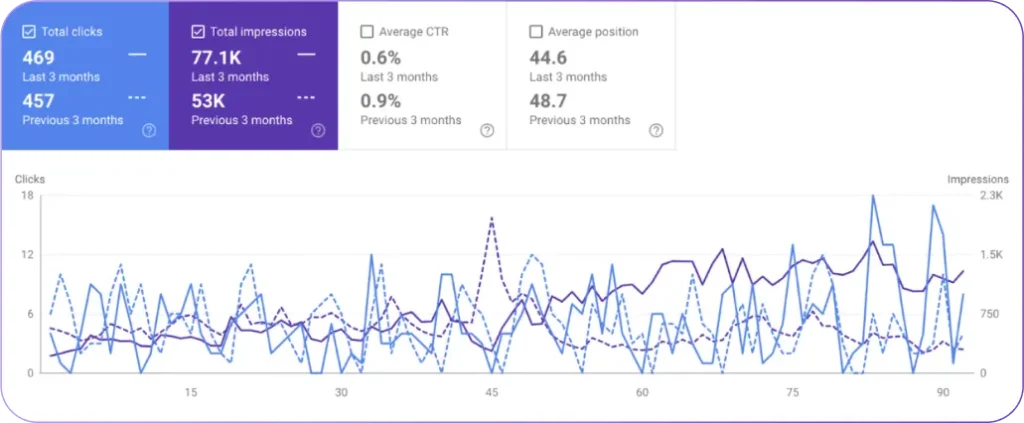
What evidence confirms the shift from traffic to influence measurement? Evidence confirms the shift because AI Overviews and AI Mode suppress clicks while impressions increase. AI Overviews triggered 13.14% of queries in March 2025, up from 6.49% in January 2025. One site doubled impressions while CTR dropped from 1.5% to under 0.5% after the AI Overview rollout.
Why does zero-click create opportunity instead of loss? Zero-click creates an opportunity because AI-driven visitors convert at significantly higher rates than traditional organic traffic. AI visitors convert at 14.2% compared to 2.8% from Google organic traffic. Some data shows AI visitors converting 23 times higher than traditional visitors.
What are the 6 primary metrics for measuring zero-click success? There are 6 primary metrics for measuring zero-click success. The metrics are listed below.
- Share of Voice.
- Impression Share in SERP Features.
- AI Overview Citations.
- Brand Mentions and Sentiment.
- Branded Search Volume.
- Conversion Quality and Assisted Conversions.
Share of Voice measures visibility compared to competitors. Impression Share measures presence inside snippets, PAA, and AI blocks. AI Overview Citations measure the frequency of inclusion across answer engines.
How does Share of Voice measure influence? Share of Voice measures influence by calculating how often a brand appears across tracked queries relative to competitors. A brand appearing in 60 out of 100 tracked keyword mentions holds 60% Share of Voice. Share of Voice reflects category dominance beyond clicks.
How does Impression Share reflect zero-click performance? Impression Share reflects zero-click performance by measuring selection frequency in SERP features. If a page appears in 150 snippet impressions out of 500 opportunities, impression share equals 30%. Featured snippets receive 8.6% of clicks on average.
How do AI Overview Citations quantify authority? AI Overview Citations quantify authority by tracking how often AI-generated summaries reference a brand across platforms. Monitor citations across Google AI Overviews, ChatGPT, Gemini, and Perplexity. Track attribution quality and competitive citation frequency.
How does branded search volume validate zero-click influence? Branded search volume validates zero-click influence because exposure inside AI summaries increases later direct searches. Increased branded impressions signal growing trust and recall. Brand search growth confirms influence beyond first-click attribution.
How does multi-channel attribution measure zero-click revenue impact? Multi-channel attribution measures zero-click revenue impact by assigning value across search, AI exposure, social, and partner touchpoints. Assisted conversions in GA4 attribute value beyond last-click models. Downstream funnel progression indicates qualified traffic impact.
How to calculate zero-click economic value? Calculate zero-click economic value using a structured influence formula. Multiply impressions by visibility rate, brand recall factor, later conversion rate, and customer value. For example, 100,000 impressions × 0.30 × 0.15 × 0.02 × $500 equals $45,000 monthly value.
Which tools track zero-click metrics effectively? Zero-click metrics require integrated analytics, AI monitoring, SEO tracking, and attribution platforms. Google Search Console tracks impressions and snippet presence. Semrush and Ahrefs track SERP feature ownership. Brandwatch and Meltwater monitor brand mentions across media.
Why does measurement shift from clicks to influence? Measurement shifts from clicks to influence because AI-generated answers satisfy intent before navigation occurs. Influence precedes traffic. Visibility precedes engagement. Engagement precedes conversion. Zero-click environments reward brand authority over session volume.
When To Target Zero-Click Keywords?
When to target zero-click keywords? Target zero-click keywords when the objective is to build brand authority, capture high-intent demand, win SERP features, and increase long-term brand search growth. Zero-click keywords strengthen visibility because nearly 60% of searches end without a click.
When to target zero-click keywords for brand authority? Target zero-click keywords for brand authority when appearing in AI Overviews or Featured Snippets positions the brand as the default answer. Winning position zero protects visibility even if traffic declines. Citation dominance reinforces entity recognition across AI systems.
When to target zero-click keywords for purchase intent? Target zero-click keywords when queries indicate strong pre-purchase intent and evaluation behavior. High-intent examples include comparison and solution-driven queries. AI visitors convert at higher rates despite lower volume.
When to target zero-click keywords for easy SERP feature wins? Target zero-click keywords when SERP features show weak or missing Featured Snippets or untapped AI Overview coverage. Identify long-tail questions with concise answer potential. Structured content and schema increase the probability of snippet ownership.
When to target zero-click keywords for local visibility? Target zero-click keywords when queries contain local intent or “near me” modifiers. Nearly 46% of Google searches focus on local information. Optimized Google Business Profile visibility replaces traditional website traffic for many local businesses.
When to target zero-click keywords for cluster and long-tail leverage? Target zero-click keywords when clusters of similar long-tail variations exist with low competition and high topical alignment. Long-tail keywords often bypass dominant head-term snippets. Cluster targeting captures multiple phrasing variations from one page.
When to target zero-click keywords for emerging trends? Target zero-click keywords when trends emerge before keyword tools update reported search volume. Millions of daily searches have never appeared previously. Early coverage captures authority before competitors react.
When To Avoid Zero-Click Keywords?
When to avoid zero-click keywords? Avoid zero-click keywords when they lack commercial value, show oversaturated SERP dominance, or generate impressions without revenue impact. Zero-click keywords without business alignment reduce return on effort.
When do zero-click keywords lack business value? Zero-click keywords lack business value when queries represent pure informational searches without purchase relevance. Basic definitions and fact-based queries rarely drive conversions. Informational clicks often function as vanity metrics.
When do zero-click keywords indicate oversaturated SERP features? Zero-click keywords indicate oversaturated SERP features when Wikipedia or major publishers dominate snippet ownership. Consistent AI Overview citations of the same authoritative domains signal low displacement probability.
When do zero-click keywords fail to drive revenue? Zero-click keywords fail to drive revenue when direct conversion remains the primary objective. Informational blog content rarely converts within one session. Attribution becomes unclear when exposure occurs without site visits.
When do tools reveal high zero-click likelihood? Tools reveal a high zero-click likelihood when impression volume increases while click-through rate remains near zero. Google Search Console identifies queries with high impressions and 0% CTR. Persistent flat clicks signal zero-click dominance.
When do direct answers fully satisfy user queries? Direct answers fully satisfy user queries when the SERP provides complete factual or local information immediately. Queries about schedules, definitions, or local listings resolve inside the interface. Strategy shifts toward SERP feature presence rather than expecting clicks.
What Does the Future of Search Look Like?

What does the future of search look like? Yes, the future of search is an AI-driven, conversational, and predictive system that delivers direct answers instead of ranked lists of links. AI Overviews and large language models shift search from link navigation to answer resolution.
How is AI accelerating this transformation? AI accelerates this transformation by expanding AI Overviews across global queries and increasing generative adoption. AI Overviews triggered 13.14% of queries in March 2025, up from 6.49% in January 2025. AI-powered search now influences over 40% of research queries.
How does personalization define the future of search? Personalization defines the future of search because AI Mode adapts answers using historical behavior and contextual signals. AI interfaces tailor responses based on user patterns and device context. Conversational queries now dominate informational intent.
How does multimodal search expand AI-driven discovery? Multimodal search expands AI-driven discovery by combining voice, image, and conversational prompts into unified retrieval systems. AI platforms process text, visual, and spoken input together. Over 70% of AI-powered users ask natural-language questions.
How does this shift impact digital economics? This shift impacts digital economics because AI channels approach revenue parity with traditional search by 2027. AI-generated referrals reached 1.13 billion visits in June 2025. Visibility replaces click quantity as the dominant performance factor.
Do Zero-Click Searches Mean SEO Is Dead?
Do zero-click searches mean SEO is dead? No, zero-click searches do not mean SEO is dead; SEO is transforming from click optimization to citation and influence optimization. Nearly 60% of searches conclude without a click, yet brand visibility still shapes decision-making.
Why does SEO remain strategically relevant? SEO remains strategically relevant because citation authority inside AI summaries influences purchase consideration. Brands cited in AI Overviews earn 35% more organic clicks and 91% more paid clicks. Citation frequency strengthens entity trust signals.
How does SEO measurement evolve in zero-click environments? SEO measurement evolves by prioritizing AI Reach, Share of Voice, and branded search growth over raw sessions. Impressions increased significantly for many sites while click-through rates declined. Influence precedes traffic in AI-driven journeys.
Why does authority replace ranking as the core objective? Authority replaces ranking because AI systems cite trusted entities rather than simply listing ranked pages. Organic traffic declined 15% to 25% due to zero-click expansion. Visibility inside AI blocks determines narrative control.
How to Turn Zero-Click Visibility into Conversions?
How to turn zero-click visibility into conversions? Turn zero-click visibility into conversions by focusing on high-intent AI referrals, strengthening branded search demand, and improving on-site conversion performance. AI visitors convert at 14.2% compared to 2.8% for traditional organic visitors.
How does AI citation influence revenue performance? AI citation influences revenue performance because cited brands experience higher downstream engagement and paid performance. Brands cited in AI Overviews earn 91% more paid clicks. AI-driven traffic produces disproportionate signup contribution relative to volume.
How does the website role evolve in AI-driven journeys? The website role evolves from discovery hub to demand harvester for high-intent visitors. Prospects complete research inside AI interfaces before visiting. Traffic volume decreases while conversion quality increases.
How does conversion optimization adapt to zero-click exposure? Conversion optimization must reduce friction, clarify calls to action, and reinforce trust elements. Improve site speed. Simplify forms. Highlight testimonials and guarantees. Increase average transaction value with bundles and upsells.
How does owned audience development amplify zero-click visibility? Owned audience development amplifies zero-click visibility by converting exposure into direct brand relationships. Capture email subscribers. Launch loyalty programs. Encourage branded search behavior. Assisted conversions in GA4 reveal AI-driven influence across touchpoints.