30 Sec
Content analysis per article

Activate OTTO SEO
OTTO runs your SEO on its own: technical fixes, on-page improvements, and content. It keeps building authority, site health, and engagement across every site you manage, for your brand or your agency clients.
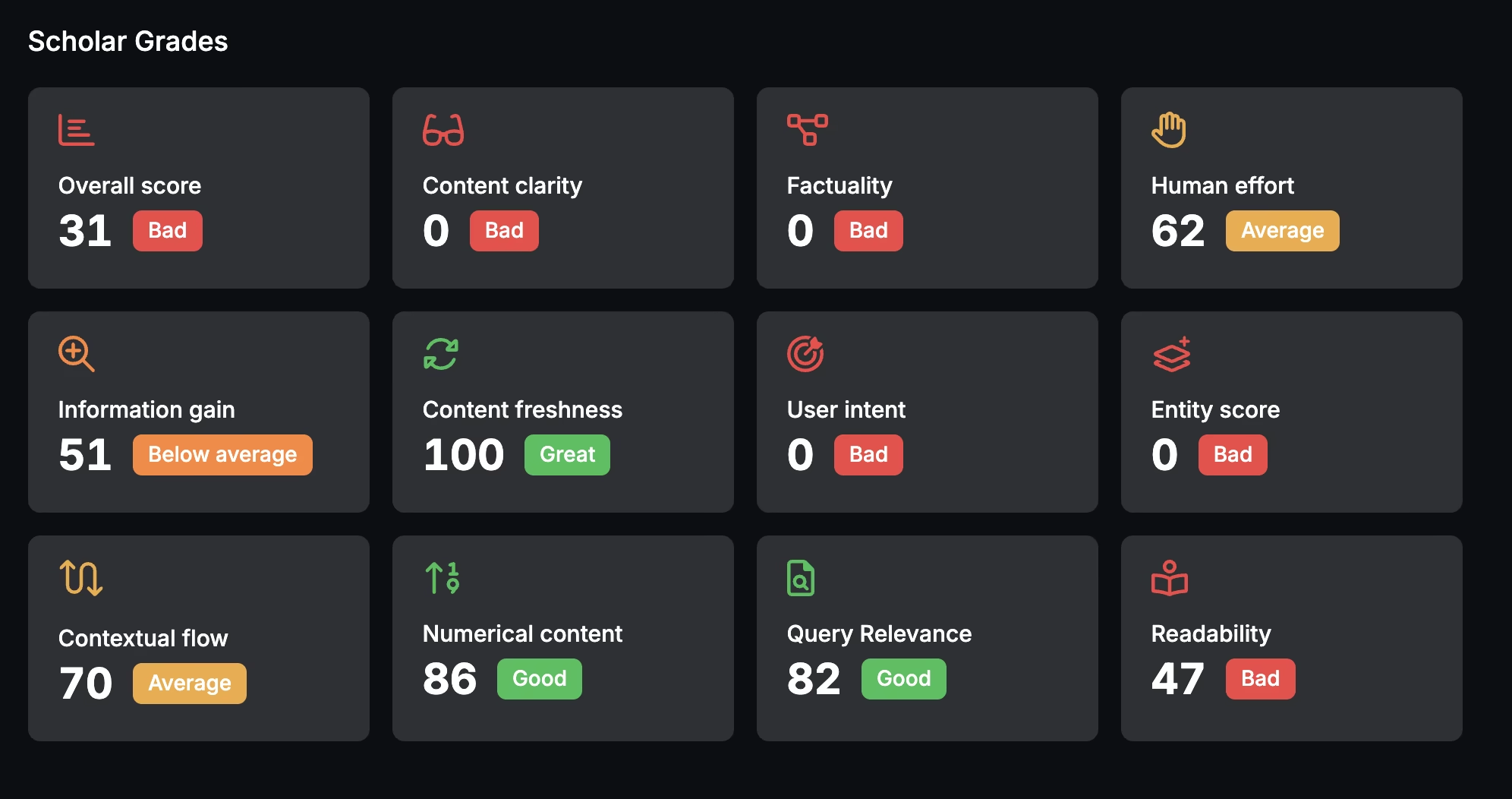
SCHOLAR reads drafts, landing pages, and articles through 12-dimensional content intelligence, then shows what needs to change before Search Atlas pushes the next content move forward.
“We have around 50 projects for our clients using OTTO and Search Atlas. We prepare our content team to follow your training and start creating content with the Content Genius feature… it’s amazing. The tool is great, the support team is fantastic (they are always on top of everything I bring to them).”
Traian Hustiu
Founder of Landscape SEO
Content analysis per article
Quality dimensions scored
Search studies behind the system
Agentic marketing platform
SCHOLAR by Search Atlas is the content intelligence layer that checks drafts, landing pages, published URLs, and AI-generated content before weak pages slow down growth.
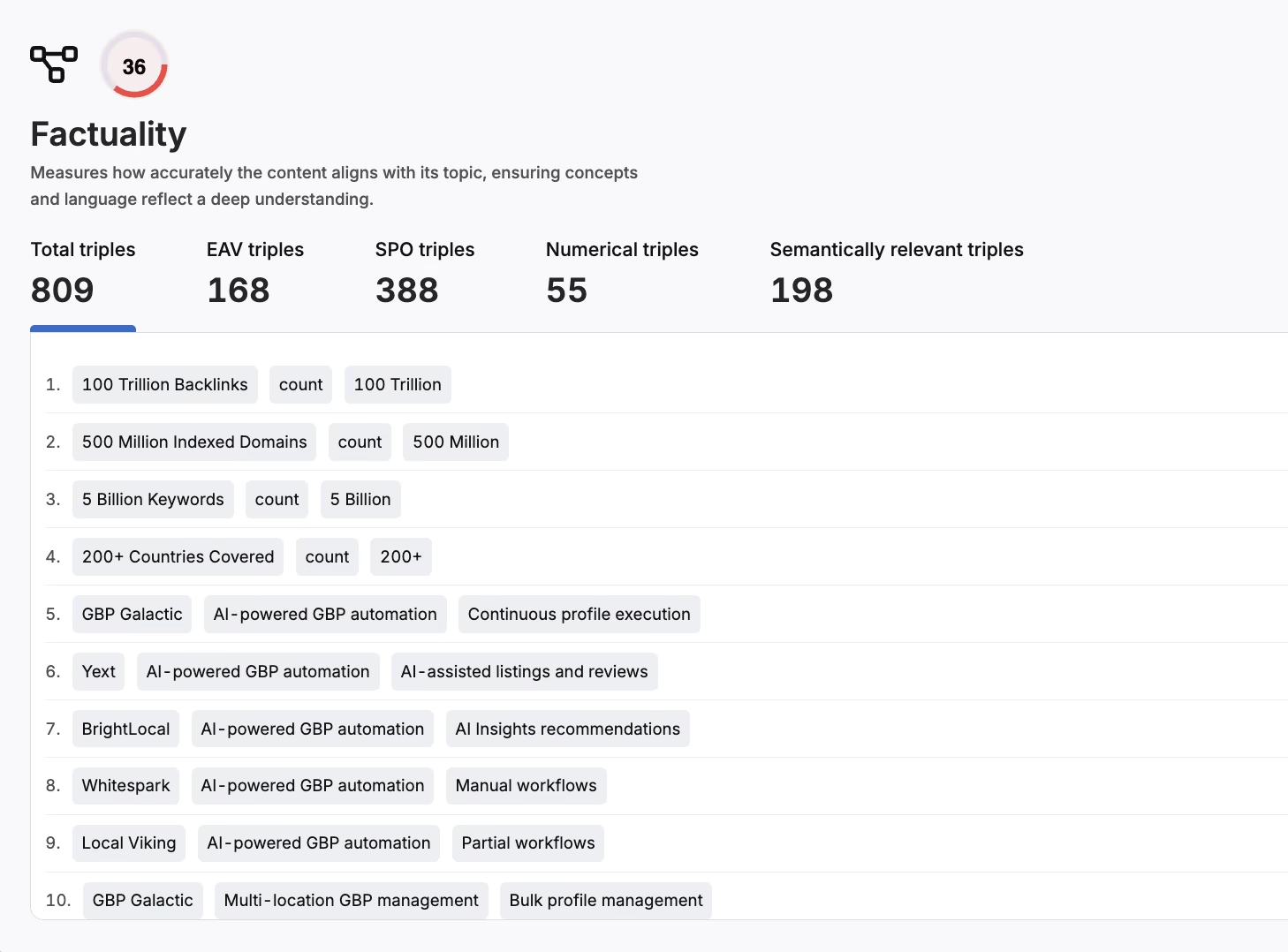
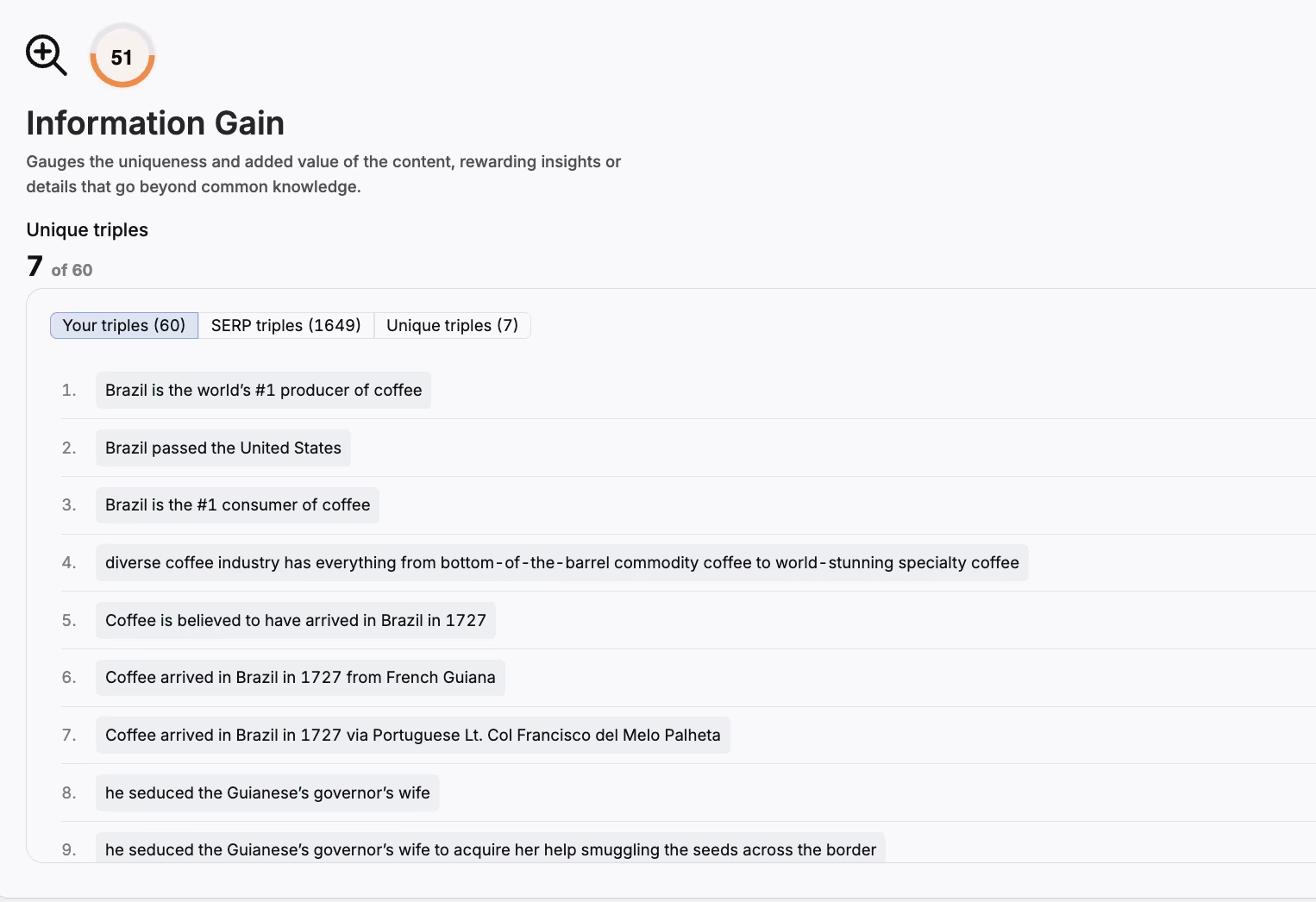
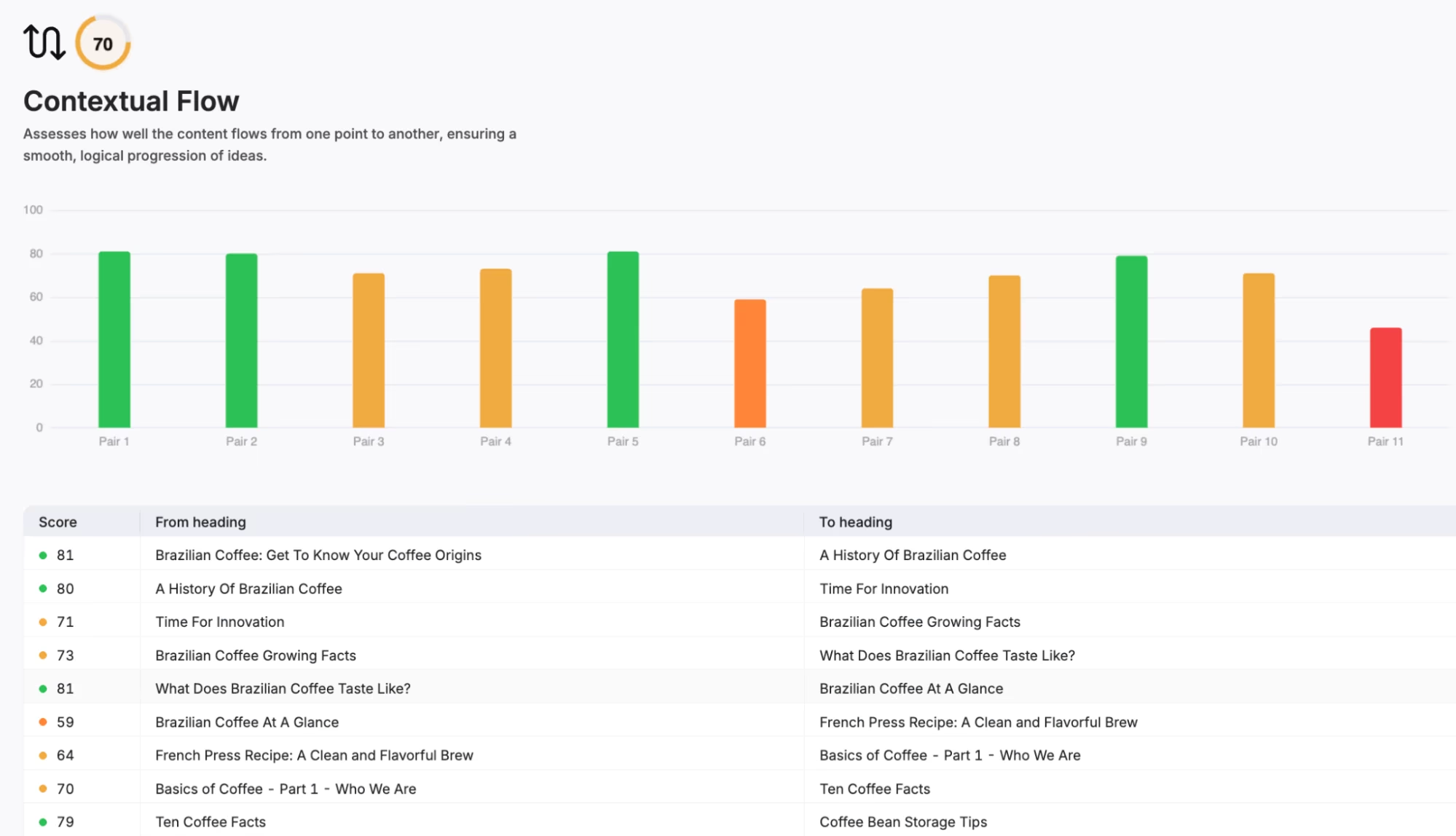
It scores factuality, entity coverage, contextual flow, readability, intent match, freshness, and information gain against Google quality signals and live SERPs.
SCHOLAR connects directly with Content Genius, so teams can evaluate content, see the missing work, and send stronger briefs back into the Search Atlas content system.
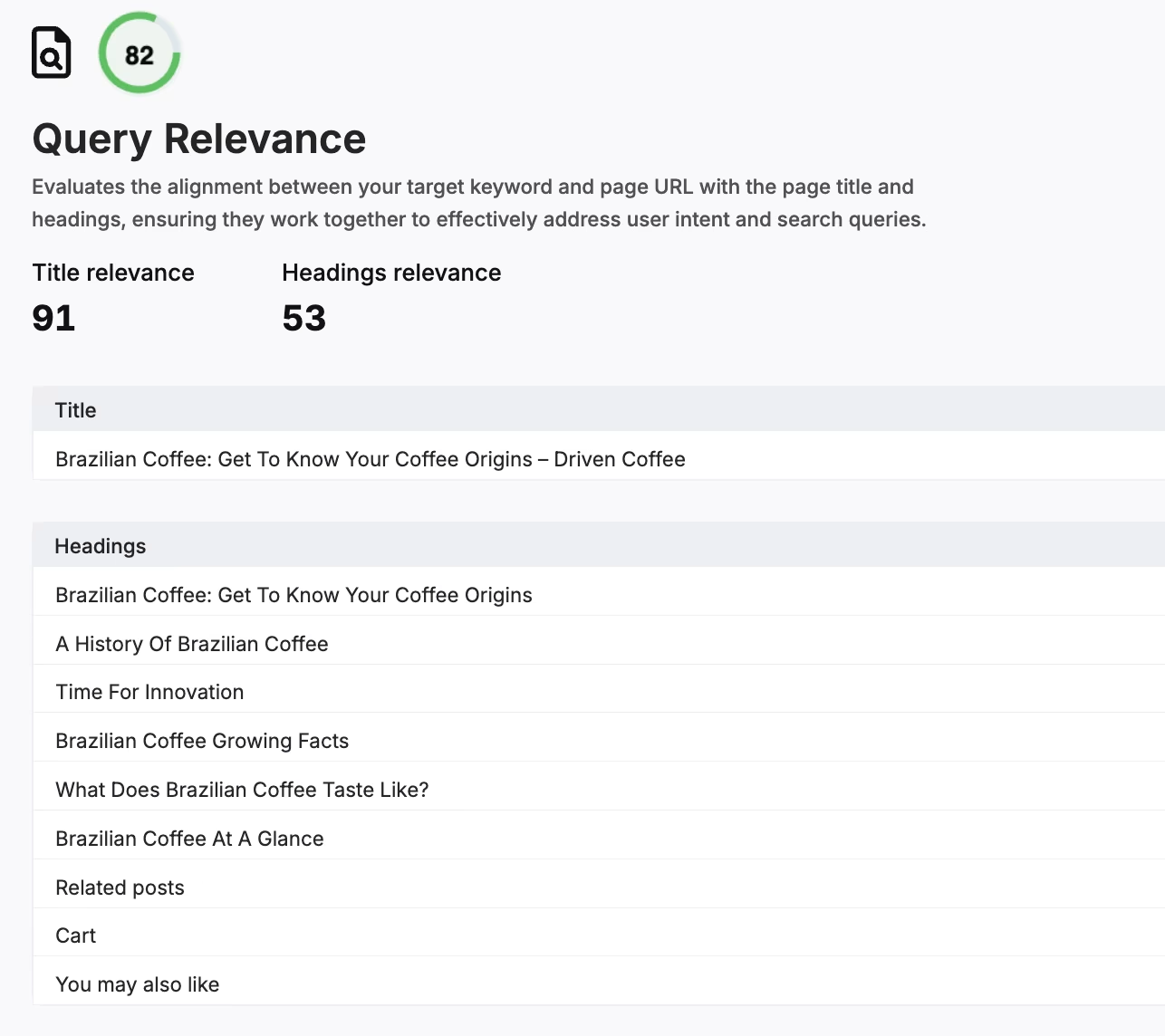
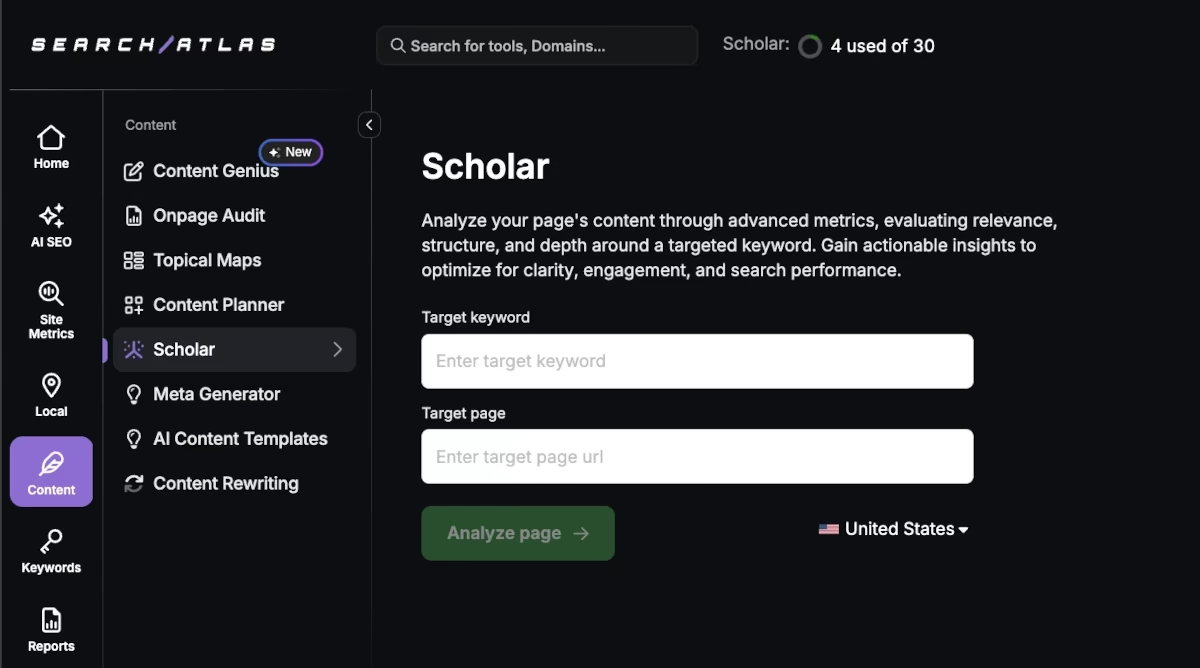
Enter a target keyword and URL to see where a live page is weak across entities, intent, factual depth, and SERP coverage.
Spot weak statements, missing entities, vague language, and low semantic precision before the page ships.
Match your semantic triples against live SERP triples to find repetitive coverage, thin sections, and missing topical depth.
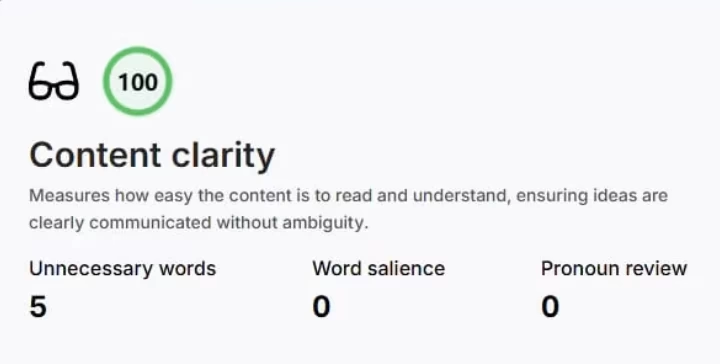
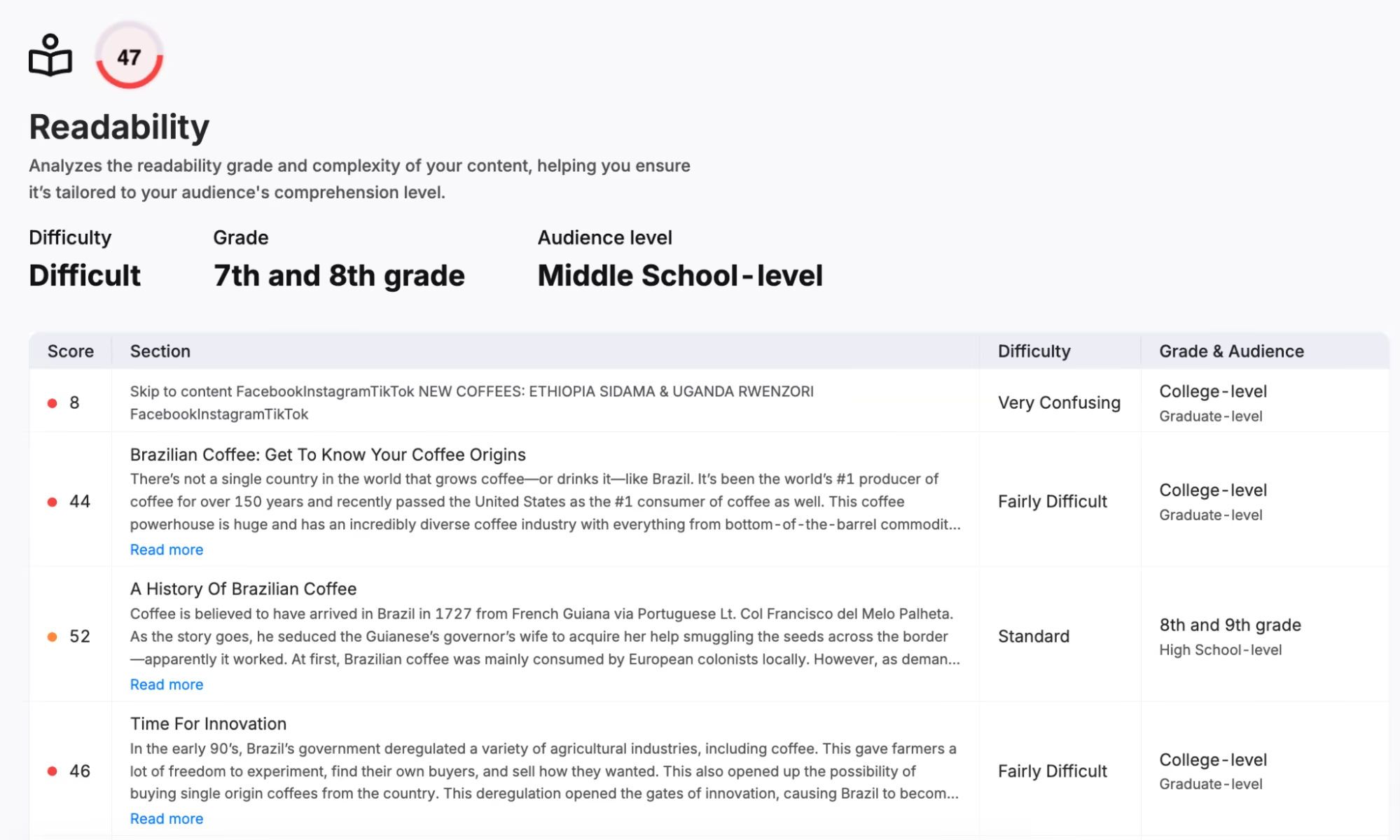
Flag unnecessary words, weak salience, ambiguous pronouns, hard sections, grade level issues, and audience mismatch.
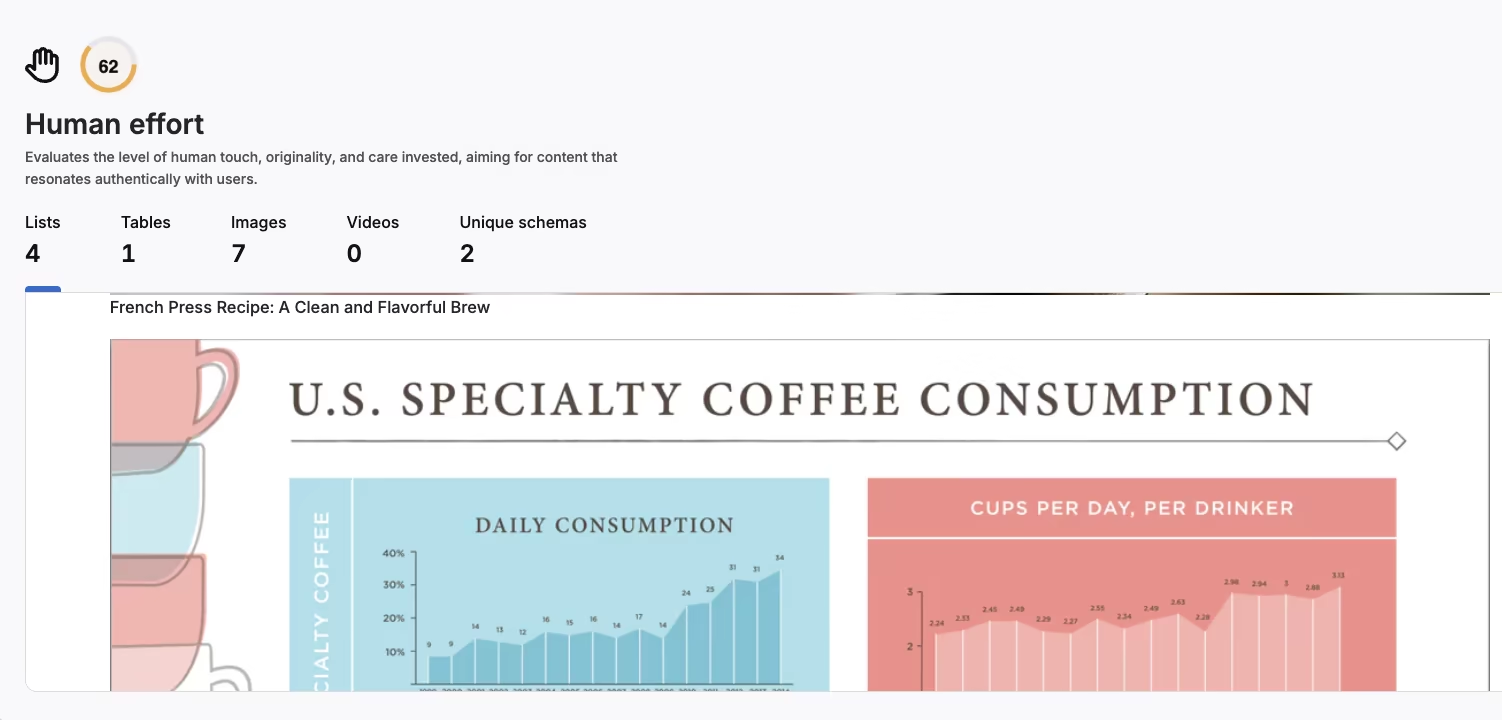
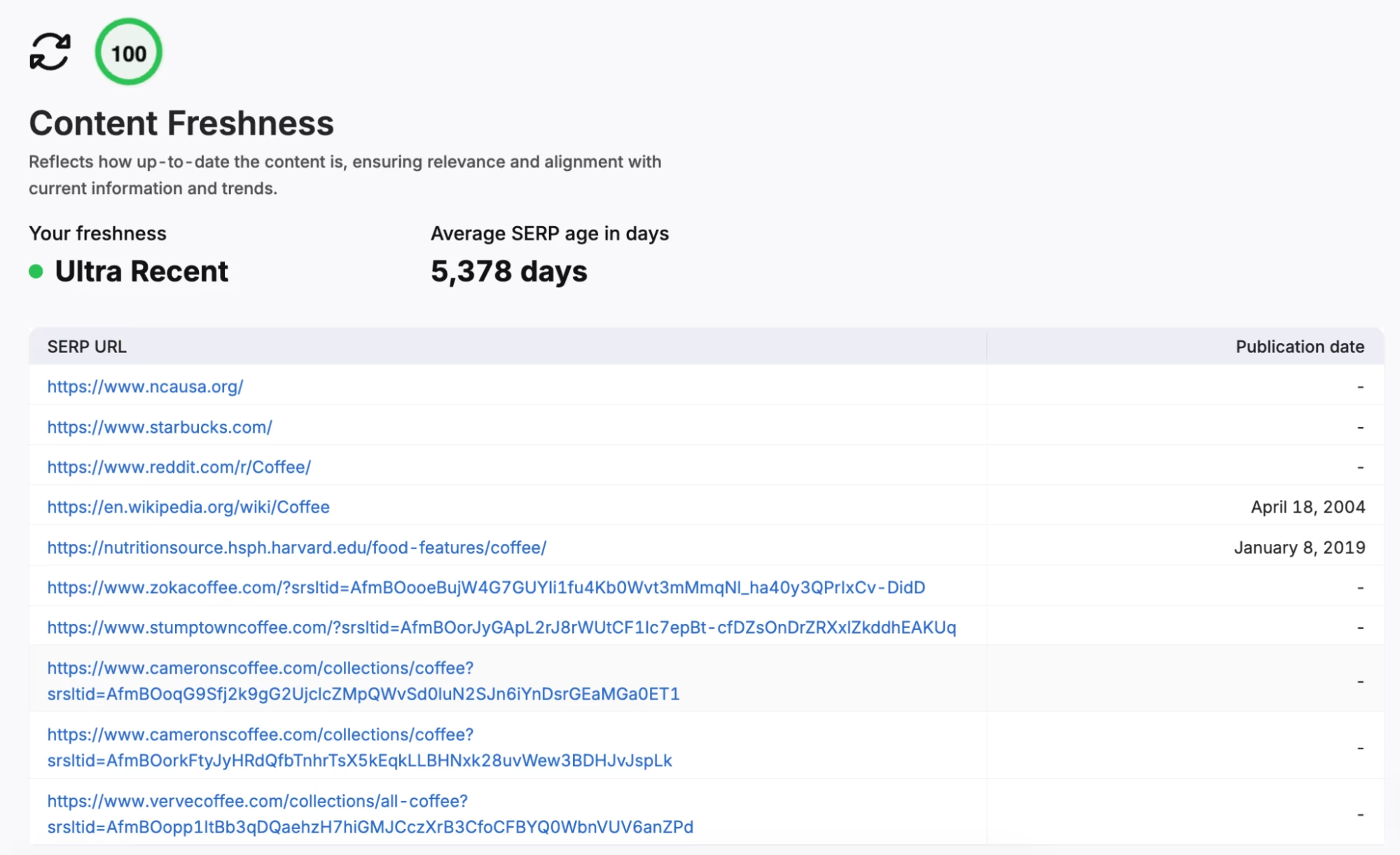
Review lists, tables, images, videos, schema, freshness, titles, and headings from one scoring view.
Draft, evaluate, improve, and re-score content inside the same Search Atlas workflow.
Enter a target keyword, analyze a draft or live URL, and SCHOLAR shows the gaps that should be fixed before the content goes back into the growth engine.
Start inside the Content dashboard and choose the page, draft, or URL you want to check.
Analyze a published URL, uploaded document, landing page, or draft against the query it needs to win.
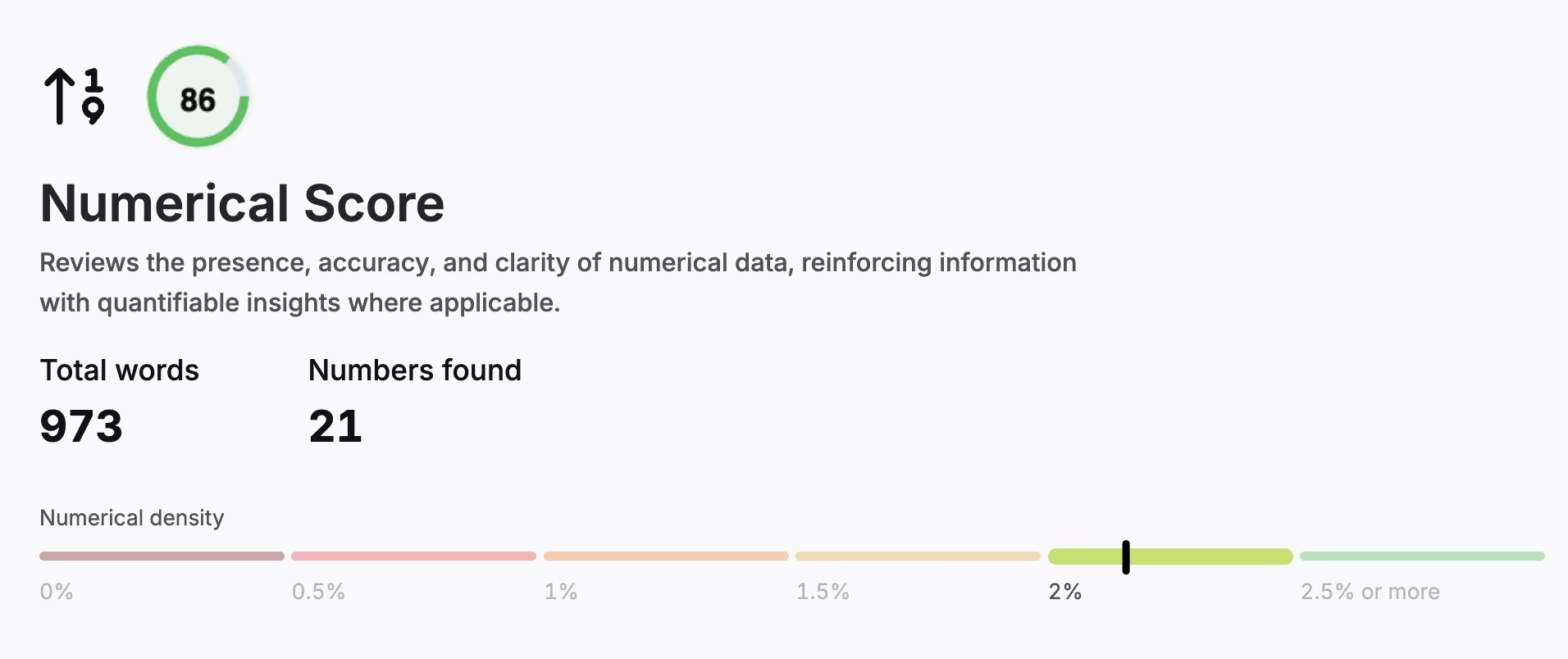
Review scores for factuality, contextual relevance, readability, entity coverage, contextual flow, and intent match.
Use the gaps to improve the page in Content Genius, then re-score it before publishing or updating the live URL.
Keyword counters stop at overlap and NLP coverage. SCHOLAR evaluates factuality, entity relationships, contextual flow, information gain, and intent match against Google quality signals.
 12-dimensional semantic scoringEAV and SPO entity relationships
 Not availableNot availableNot availableUnique semantic triples vs live SERPsHeading-by-heading transition scoringNot availableNot availableNot availableLists, tables, schema, media scoringNot availableNot availableNot availableNumerical density and factual scoringNot availableNot availableNot availableIntent, freshness, readability, relevance