Users seek Yext alternatives primarily because of pricing concerns, limited listing ownership, declining support quality, and the lack of modern AI-powered optimization tools. Yext pricing often reaches around $499 per location per year, which becomes expensive for businesses managing multiple locations. Many users also criticize Yext’s “rented” listing model, where businesses lose control of listings if the subscription ends. Additional complaints include cancellation difficulties, outdated interface design, and limited automation capabilities. These limitations drive businesses toward platforms that provide broader SEO functionality, stronger automation, and better long-term control of digital assets.
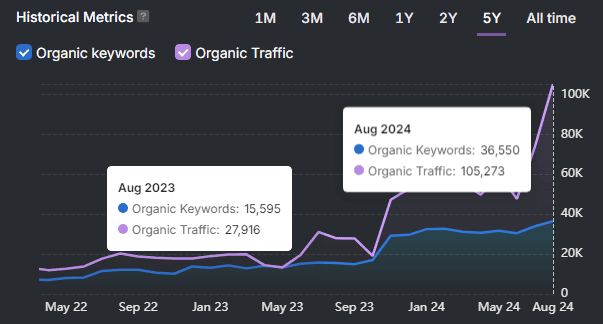
Search Atlas stands out as the best Yext alternative because it replaces basic listing distribution with a comprehensive AI-powered SEO platform. Instead of focusing only on directory synchronization, Search Atlas integrates local SEO with keyword research, backlink intelligence, technical auditing, rank tracking, and AI automation tools such as OTTO. This platform structure allows businesses to connect local listing performance with broader ranking signals including authority metrics, content optimization, and competitor analysis. Starting at $99 per month, Search Atlas provides a broader digital marketing toolkit than Yext while enabling agencies and multi-location businesses to manage SEO strategy, local visibility, and reporting within a single system.
Other alternatives address specific Yext limitations but typically focus on narrower functions. BrightLocal offers lower pricing and manual citation management across more than 1,000 directories. Semrush provides a large digital marketing suite with local SEO capabilities for multi-location businesses. Whitespark focuses on manual citation building and cleanup services, while HOTH offers one-time citation packages for businesses that prefer non-subscription solutions. Additional platforms such as SOCi, Birdeye, Podium, and Chatmeter specialize in reputation management and review monitoring. These tools demonstrate how the local marketing ecosystem has expanded beyond listing distribution toward automation, analytics, and integrated SEO workflows, with Search Atlas emerging as the most comprehensive alternative.
What are the Yext Alternatives?
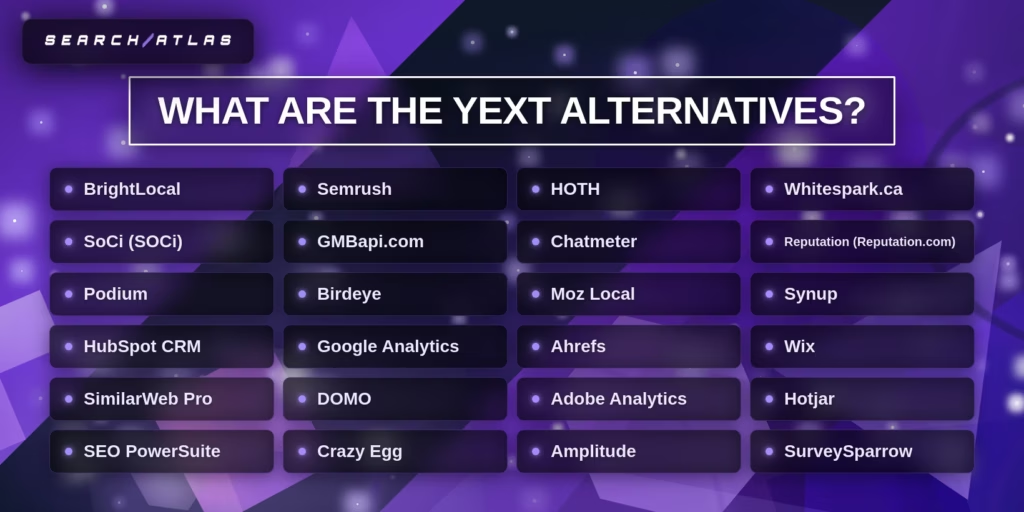
Top Yext alternatives are listed below.
- Search Atlas (All-in-one SEO and AI Visibility Tool)
- BrightLocal (Listings Management Service)
- Semrush (Listings Management Service)
- HOTH (Listings Management Service)
- Whitespark.ca (Listings Management Service)
- SoCi (SOCi) (Marketing Platform)
- GMBapi.com (Google Business Profile Management Service)
- Chatmeter (Reputation Management Platform)
- Reputation (Reputation.com) (Reputation Management Platform)
- Podium (Lead Conversion Platform)
- Birdeye (Reputation and Review Management Platform)
- Moz Local (Listings Management Service)
- Synup (Listings Management Service)
- HubSpot CRM (CRM Platform)
- Google Analytics (Analytics Tool)
- Ahrefs (SEO Tool)
- Wix (Website Builder)
- SimilarWeb Pro (Analytics Tool)
- DOMO (Business Intelligence Tool)
- Adobe Analytics (Analytics Tool)
- Hotjar (Analytics Tool)
- SEO PowerSuite (SEO Tool)
- Crazy Egg (Analytics Tool)
- Amplitude (Analytics Tool)
- SurveySparrow (Review Management Platform)
1. Search Atlas
Search Atlas is the best Yext alternative for seven because it combines local listing management with a full SEO platform, provides deeper local rank tracking and competitor analysis, integrates AI-powered optimization through OTTO automation, connects local SEO performance with backlink and keyword intelligence, delivers scalable workflows for multi-location businesses and agencies, includes advanced reporting and campaign analytics, and offers broader digital marketing capabilities beyond listing distribution.
How does Search Atlas expand beyond Yext’s listing management model? Search Atlas functions as a complete SEO platform that integrates local SEO with keyword research, backlink analysis, technical site auditing, and AI-driven optimization. This architecture allows businesses to connect local listing visibility with broader ranking signals such as website authority, keyword rankings, and technical SEO performance. Yext focuses primarily on listing distribution and directory management, while Search Atlas supports the full lifecycle of local search optimization.
Why are Search Atlas local rank tracking capabilities more advanced than Yext’s? Search Atlas provides granular tracking of local keyword rankings across locations, devices, and search result types such as the Google Map Pack. Businesses can monitor how individual locations rank for local queries and compare performance against local competitors. This level of ranking analysis helps identify opportunities to improve local visibility, whereas Yext focuses more heavily on listing consistency rather than detailed keyword ranking performance.
What makes Search Atlas AI automation unique for local SEO? Search Atlas includes AI-driven systems such as Atlas Brain and OTTO that analyze ranking signals and recommend specific optimization actions. The platform evaluates keyword opportunities, authority signals, and technical SEO factors that influence local rankings. These automated insights allow businesses to improve local search performance through actionable recommendations rather than relying solely on directory synchronization.
How does Search Atlas provide deeper data for local SEO strategy? Search Atlas connects local SEO insights with a broader SEO data infrastructure that includes a live backlink database exceeding 100 trillion links and extensive keyword datasets. This data allows marketers to analyze how backlinks, domain authority, and content optimization influence local rankings. Yext focuses primarily on listing distribution and does not provide backlink analysis or advanced keyword intelligence.
Why is Search Atlas better suited for agencies and multi-location businesses? Search Atlas supports agencies and enterprise teams that manage multiple locations by combining local rank tracking, competitor analysis, reporting tools, and campaign management features in one platform. Agencies can generate performance reports that combine local search visibility with broader SEO metrics. Yext provides strong listing management for multi-location brands but lacks the broader SEO campaign management tools required by many agencies.
How do Search Atlas reporting and analytics features improve local SEO management? The Search Atlas review mentions advanced reporting dashboards that combine ranking data, backlink insights, keyword performance, and technical diagnostics. These reports allow marketers to evaluate the full impact of local SEO campaigns and communicate results clearly to stakeholders or clients. Yext focuses primarily on listing health and presence metrics rather than broader SEO performance analysis.
Why do businesses choose Search Atlas instead of Yext? Businesses choose Search Atlas because it connects local SEO with broader search visibility strategies. The platform allows marketers to analyze competitors, track rankings, optimize content, build authority signals, and manage technical SEO alongside local listing management. This unified system provides a strategic advantage over Yext’s listing-focused approach, making Search Atlas a more comprehensive alternative for organizations seeking full local SEO optimization.
2. BrightLocal
BrightLocal is a Yext alternative because it offers significantly lower costs with plans starting at $29/month, provides full ownership and control of listings including login details, offers greater flexibility and customization for local search presence, delivers higher quality service with human interaction for data validation, boasts an expanded network and reach to over 1,000 sites, includes agency-friendly features like white-label reporting, and is easier to use with a Capterra rating of 4.6/5.
How does BrightLocal’s cost structure make it a viable alternative? BrightLocal is significantly more affordable than Yext, with its ‘Track’ plan starting at $29/month, compared to Yext’s higher pricing. An equivalent campaign to Yext’s ‘Complete’ plan costs a one-off payment of $208 with BrightLocal, covering 30 manual citations, duplicate removal, and 5 local data aggregators. BrightLocal’s annual cost per location starts at $480, making it a clear winner for budget-conscious small businesses.
Why is listing ownership and control a key differentiator? BrightLocal provides full ownership of listings, including login details (username and passwords), allowing users to update information anytime. This feature is appreciated by customers as “not many citation tools allow” such access. All listings remain with the user even if the BrightLocal subscription is canceled, ensuring long-term control over their data.
What makes BrightLocal’s flexibility and customization appealing? BrightLocal offers “true listings flexibility for every budget,” allowing users to pick specific citations and build listings on hundreds of sites or a select few. This provides “complete control of the sites where you are listed.” BrightLocal’s manual approach helps uncover “important, niche, industry sites” that Yext may miss, offering greater customization tailored to small business needs.
How does BrightLocal’s service quality and human interaction enhance its appeal? BrightLocal offers “more human interaction and validation of data,” which is not available with Yext’s APIs. BrightLocal provides direct submissions to ensure accurate and managed listings, with customers loving the “personal approach.” BrightLocal also cleans up duplicate listings and remedies inaccuracies, unlike Yext, and monitors listings for accuracy, sending alerts for inconsistencies.
What is the significance of BrightLocal’s network and reach? According to the BrightLocal review, the tool has expanded its reach to over 1,000 sites, including top directories, industry sites, and specialist sites in over 10 countries. Its team submits to aggregation services like Neustar or Infogroup, which Yext does not cover. BrightLocal also allows tracking of missing citations, ensuring comprehensive local search presence.
How do BrightLocal’s agency features benefit its users? BrightLocal offers agency-friendly white-label options for customizing client reports with logos and brand colors. It also provides prospecting tools like business audits and a scan tool for lead capture. BrightLocal’s stellar reporting helps agencies communicate impact effectively, allowing for white-labeling of its platform and reporting.
Why is BrightLocal considered easier to use? BrightLocal stands out for its ease of setup and is described as “easy to use” by small businesses, making it “much easier for beginners” compared to Yext. It is more user-friendly, especially for non-technical users, with an intuitive dashboard and straightforward onboarding. BrightLocal rates higher for ease of use on Capterra (4.6/5) compared to Yext (4.1/5).
3. Semrush
Semrush is a Yext alternative because it offers a more comprehensive suite of digital marketing tools beyond listing management, provides significantly more advanced SEO capabilities, includes robust Google Business Profile (GBP) and review management features, excels in ad campaign management, offers a more cost-effective solution for multi-location businesses, and integrates with a broader array of third-party applications.
How does Semrush offer a more comprehensive suite of digital marketing tools? While Yext specializes in online brand management and local search optimization, Semrush provides broader SEO and digital marketing strategies. Semrush offers tools for keyword research, SEO audits, competitor analysis, and content marketing, which are not primary focuses for Yext. Semrush’s local SEO features, however, are not as comprehensive as platforms specializing solely in local SEO.
Why are Semrush’s SEO capabilities more advanced? Semrush provides comprehensive recommendations on content topics and detailed SEO suggestions, including tools like Topic Research and SEO Content Template. It is the only keyword research tool on the market that shows how content performs across AI platforms like ChatGPT and search (as of February 2026). Semrush allows analysis of up to 44 SERP features, including AI Overviews, Reviews, Local pack, Hotels pack, and Popular products, and labels keywords by intent for content strategy. Yext’s SEO system is described as “archaic” and does not generate immediate reports.
What makes Semrush’s GBP and review management features robust? Semrush Local manages reviews and updates content from a single dashboard, drafting and scheduling posts weeks in advance with an AI writer for editable text. It offers comprehensive GBP automation with AI-powered post generation, bulk scheduling, automated review responses in multiple languages, and monitoring across locations. Semrush Local provides a single dashboard for managing reviews from Google, Yelp, and Facebook, with AI automations for speeding up response time, including auto-replies for positive and negative reviews. It also generates personalized responses in the language of the location and provides daily digest alerts for negative reviews. Review analytics include per-month reply rate, brand perception improvement, increase in total reviews, and star rating averages, with reports benchmarked against competitors.
How does Semrush excel in ad campaign management? The Semrush review mentions features like the PPC Keyword Tool and Audience Insights to maximize conversions and minimize costs in ad campaigns. Yext does not focus extensively on ad campaign optimization.
Why is Semrush a more cost-effective solution for multi-location businesses? While Yext can be “expensive in the long run if you manage multiple listings,” Semrush Local is approximately $500-600/month for 10 locations plus a base plan (e.g., Pro: $139.95/month or Guru: $249.95/month), making it “significantly more cost-effective than Yext’s enterprise pricing.” Semrush offers tiered plans that scale based on feature access and usage limits, potentially offering more value for money for companies focused on extensive SEO and broad digital marketing strategies.
What broader integration capabilities does Semrush offer? Semrush provides robust integration with a wide array of third-party applications, including Google Analytics and Google Search Console. Yext primarily integrates with listing directories.
4. HOTH
HOTH is a Yext alternative because HOTH offers a one-time fee for listings compared to Yext’s recurring annual fees (starting at $499/location/year), HOTH provides client ownership of listings while Yext’s model is described as “renting” the dashboard, HOTH focuses on organic ranking growth and link-driven authority signals versus Yext’s primary focus on listings management, HOTH offers a broader range of SEO services beyond citations including link outreach and AI visibility programs, and HOTH provides international coverage in “All countries” compared to Yext’s 70+ countries.
How does HOTH’s cost structure differentiate it as an alternative? HOTH offers listing services for a one-time fee, which a Reddit user (9/16/2022) described as “much better value than the monthly BS” associated with Yext. For example, HOTH provides one-off packages like the Starter at $149 for 45 citations or Large at $549 for 255 citations. In contrast, Yext operates on a recurring annual fee, starting at $499 per location per year, with bulk discounts potentially reducing it to approximately $250 per location per year.
Why is client ownership of listings a significant differentiator? HOTH provides clients with login details for listings, implying that clients retain ownership of their digital assets. This contrasts with Yext’s model, where listing data reverts to its pre-Yext state if the subscription ends, effectively meaning clients are “renting” the dashboard. This difference impacts long-term control and data portability for businesses.
What makes HOTH’s core function a distinct alternative to Yext? HOTH is a full-service SEO and AI visibility platform that focuses on strengthening ranking signals through backlinks, content authority, and digital PR. Brands choose HOTH for organic ranking growth and link-driven authority signals. Yext, conversely, centers on automated directory listings, NAP uniformity, and enterprise publisher synchronization, primarily serving users who prioritize structured business listings and local accuracy.
How does the scope of services offered by HOTH broaden its appeal as an alternative? HOTH offers a wide range of SEO services beyond just citations, including manual link outreach, blogger outreach, digital PR, AI visibility programs (AI Discover starting at $5,000 monthly), long-form content production, and managed SEO campaigns (HOTH X ranging from $1,000 to $10,000 monthly). Yext describes itself as primarily a “digital presence platform” focused on listings management, with less emphasis on these broader SEO strategies.
In what way does HOTH’s geographic coverage provide an alternative for businesses? HOTH works in “All countries,” offering broader international coverage for businesses. Yext, while extensive, covers 70+ countries, specifically listing regions such as the USA, UK, Canada, Australia, France, Germany, Italy, Portugal, and Spain. This wider reach makes HOTH a viable option for businesses with a global presence or those targeting less common markets.
5. Whitespark.ca
Whitespark.ca is a Yext alternative because it offers a one-time manual submission service for a lower initial cost, provides greater listing ownership for businesses, focuses on critical local search sites, demonstrates superior handling of complex listing scenarios, is better suited for smaller businesses, and receives strong user endorsements for its effectiveness.
How does Whitespark’s service model differ in cost and ownership? Whitespark provides a manual submission service with a one-time fee, which is less than Yext’s recurring annual subscription. This approach aims to eliminate ongoing fees associated with business listings. Whitespark’s manual submissions imply that listings, once created, are more likely to persist independently, helping businesses “own their business listings.” A Whitespark case study found that 60% of listings disappeared or became incorrect after Yext cancellation, suggesting Yext maintains control rather than empowering businesses.
Why is Whitespark’s focus on specific sites beneficial? Whitespark concentrates on the “top 20 most important sites in local search” and includes aggregation services like Neustar or Infogroup, which Yext does not cover. This targeted approach ensures a “comprehensive cleanup on the sites that matter most for local SEO.”
How does Whitespark handle complex listing cases more effectively? Yext struggled with “messy citation footprint cases” and “complicated cases with practice-practitioner types of businesses.” For example, Yext created a duplicate listing on Local.com and reported an incorrect phone number for a Bing Places listing. A case study showed 31 practitioner listings within Yext’s network were unaffected by Yext’s subscription or cancellation, highlighting Yext’s limitations in these scenarios.
Why is Whitespark a better fit for certain business sizes? Yext is generally better suited for larger businesses with multiple locations. In contrast, Whitespark may be a better fit for smaller businesses or agencies seeking more personalized support and a one-time cleanup service.
What do user endorsements indicate about Whitespark’s reputation? Multiple users refer to Whitespark as the “gold standard” and “phenomenal.” JonClassyBrain explicitly states, “Whitespark is a good alternative.” Users have “nothing but positive things to say about Whitespark,” viewing it as a “huge time saver” and “great service for saving yourself 30-45 minutes” when onboarding new local clients.
6. SoCi (SOCi)
SOCi is a Yext alternative for six because its primary focus is social and engagement, it offers advanced AI capabilities, it provides comprehensive compliance features, it is more affordable, it delivers superior social capabilities for enterprise, and it boasts award-winning support.
How does SOCi’s social and engagement focus position it as an alternative? SOCi is 100% built for local and designed as a social and engagement platform, with lighter listings capabilities layered in. It is ideal for brands that are social-first and rely heavily on local engagement and promotions, such as restaurant, fitness, personal services, and retail concepts. SOCi supports multi-location brands with scalable tools for social publishing, localized content creation, campaign planning, and post-level performance tracking, offering full workflows and cross-module reporting.
Why are SOCi’s AI capabilities a key differentiator? SOCi’s AI Agents (Genius AI) automatically resolve marketing problems, providing suggested post ideas tailored to local trends, AI-written replies for comments and reviews, and automated listing suggestions. For example, Southern Rock Restaurants reported that Genius exceeds their goals for responses with no templated replies. Ascent Hospitality saw a 450% increase in their review response rate, from 18% to 99% after implementing Genius Reviews. In contrast, Yext’s “Scout only reports gaps” and requires manual fixes.
What makes SOCi’s compliance features a strong alternative? SOCi provides a built-in compliance layer that follows rules set for tone, keywords, and escalation triggers. This compliance extends to reviews and LinkedIn, in addition to social media. Yext, conversely, offers only “Social compliance.”
How does SOCi’s pricing compare as an alternative? SOCi tends to be more affordable than Yext if the primary need is social plus basic listings. It can be cheaper than Yext, which is noted to be around $30 per store per month. SOCi offers clear tiers (Starter, Professional, Enterprise) to suit various business sizes.
In what ways does SOCi offer superior social capabilities for enterprise? SOCi provides full workflows, boosting, and local features, along with built-in approval queues and franchisee and brand hierarchies. It also offers boosted-post management without third-party ad fees and cross-module reporting. Yext, in comparison, provides only “Basic posting” and “one-size-fits-all posting.”
Why is SOCi’s support a significant advantage? SOCi is recognized for its award-winning, responsive team that “responds fast and partners deeply.” This contrasts with Yext’s “slow, upsell-driven support,” where customers report delays, upsells, and confusion. SOCi is also ranked in G2’s Top 100, while Yext is not.
7. GMBapi.com
GMBapi.com is a Yext alternative because it offers significantly more cost-effective pricing starting at $2 per location compared to Yext’s expensive custom pricing, provides greater contract flexibility with no lock-ins versus Yext’s multi-year commitments, delivers highly rated customer support with 4.8 stars on Capterra while Yext has 1.9 stars on Trustpilot, focuses on streamlined Google Business Profile (GBP) optimization with full control unlike Yext’s “rented information” model, offers a modern and intuitive user interface compared to Yext’s steeper learning curve, and is a premier Google partner, a distinction not mentioned for Yext.
How does GMBapi.com offer more cost-effective pricing? GMBapi.com starts at $2 per location, with tiered pricing ranging from €2–€8/month per location, or $4 per listing per month, positioning it as the “Cheapest local SEO tool.” In contrast, Yext is noted for its “expensive pricing” and “high price tag,” often associated with an “Enterprise tax” and custom pricing models. This difference can lead to substantial savings for businesses managing multiple locations.
Why does GMBapi.com provide greater contract flexibility? GMBapi.com offers contract flexibility, allowing users to adjust plans or cancel subscriptions at any time, with no contract required and a pay-as-you-go model. It also provides a 2-week free trial without a credit card or service limitations. Yext, however, often requires clients to commit to lengthy, typically annual, contracts, leading to “multi-year lock-ins” that restrict business agility.
What makes GMBapi.com’s customer support superior? GMBapi.com provides “exceptional service and support,” with Capterra reviews showing 4.8 Stars (24 Reviews) and G2 Reviews showing 4.7 Stars (20 Reviews). SourceForge ratings are 5.0/5 overall for support. Yext, conversely, has numerous user reports of delays and unresponsiveness, with Trustpilot reviews at 1.9 stars out of five, and 32% leaving a 1-star rating primarily due to poor customer service.
How does GMBapi.com’s focus on GBP optimization differ from Yext? GMBapi.com focuses exclusively on improving local SEO efforts on platforms that attract clients, with Google Business Profile (GBP) as the source of truth, offering “full GBP control” and automations. Yext, while having an extensive feature set across “all major external platforms,” is noted for “redundant features” and often locks businesses into its ecosystem, leading to “rented information” and “duplicity problems” that limit user control over listings.
Why is GMBapi.com’s user interface considered an advantage? GMBapi.com is described as “Modern, intuitive, purpose-built,” offering a straightforward user experience. Yext, on the other hand, is noted for having a “Steeper learning curve,” which can increase the time and effort required for users to become proficient with the platform.
What is the significance of GMBapi.com being a Google partner? GMBapi.com is a “premier partner of Google,” indicating a close relationship and alignment with Google’s ecosystem and best practices. This partnership is not mentioned for Yext, suggesting GMBapi.com may offer more direct insights and support related to Google’s evolving local SEO landscape.
8. Chatmeter
Chatmeter is a Yext alternative because superior customer satisfaction and support with a 76 NPS score, advanced AI-driven features including a sentiment analyzer and review response generator, comprehensive listings management that flags errors and inconsistencies, robust reputation management with an LBV score, more detailed analytics beyond surface-level insights, and full-featured pricing plans that offer better value at a cheaper rate.
How does Chatmeter’s customer satisfaction and support differentiate it? Chatmeter boasts zero complaints to the Better Business Bureau in the last three years, compared to Yext’s 28 complaints. Chatmeter’s dedicated customer success team achieves a world-class NPS score of 76, winning by 64 points over Yext. Additionally, Chatmeter’s Leadership Culture Ratings are 91% higher than Yext’s, and its Overall Culture is rated 85/100, winning by 16%.
What makes Chatmeter’s advanced AI features a key differentiator? Chatmeter constantly innovates with industry-leading AI technologies, including an AI-powered customer sentiment analyzer and review response generator. Its Signals feature uses advanced AI and customer review data to answer specific questions about audience behavior. Pulse AI combines natural language processing, machine learning, and generative AI for analytics, allowing users to ask questions about reviews and identify nuances, trends, or outliers.
Why is Chatmeter’s listings management superior? Chatmeter offers comprehensive listings management, integrating with major directories like Google, Apple Maps, Yelp, and Bing, and automatically flagging errors and inconsistencies. Customers find it easy to manage listings, especially for multi-location businesses, with a bulk editor and mobile app for hundreds of listings. Chatmeter’s dedicated listing specialists correct duplicates and errors fast on platforms like Apple Maps, and it boasts a publisher network of 140 directories.
How does Chatmeter provide robust reputation management? Chatmeter includes advanced reputation management features, such as AI-powered intelligence tools to identify trends, changes, and themes in reviews, and understand local search insights. It automates review monitoring and generation, and provides a Local Brand Visibility (LBV) score. Customers frequently mention its efficiency in responding to reviews.
What advantages do Chatmeter’s analytics offer? Chatmeter provides detailed insights appreciated by customers, offering more than basic insights compared to Yext’s surface-level analytics. Its analytics combine natural language processing, machine learning, and generative AI, allowing users to ask specific questions about reviews and identify trends or outliers.
How does Chatmeter’s pricing and value proposition stand out? Chatmeter offers full-featured plans that fit various budgets, including all important features like reputation management, listing management, and analytics tools even in basic plans, unlike Yext. G2 customers rank Chatmeter’s pricing at 3 out of 5 dollar signs, while Yext is 4 out of 5, indicating Chatmeter offers “better service at a cheaper rate.”
9. Reputation (Reputation.com)
Reputation.com is a Yext alternative because it offers a more affordable entry price at $100/month compared to Yext’s $199/month, it caters to a wider range of businesses including SMBs and franchises, it has a slight edge in user satisfaction with a 4.5 overall star rating, its primary focus is on comprehensive Reputation Experience Management (RXM), it provides innovative and customized review management options, and it offers dedicated personal support through an account manager.
How does Reputation.com’s pricing make it an alternative? Reputation.com’s minimum advertised price is $100/month, which is significantly lower than Yext’s $199/month. This makes Reputation.com a more affordable option, especially for small businesses with limited budgets, although very small businesses might still find its potential cost prohibitive.
Why does Reputation.com’s target audience differentiate it? Reputation.com serves a broader spectrum of businesses, including Small and Mid-size Businesses (SMBs) and franchises, whereas Yext is primarily tailored for larger enterprises, non-profits, and multi-location businesses. Both platforms serve SMBs, but Reputation.com’s broader appeal makes it a viable alternative for businesses not fitting Yext’s enterprise focus.
What makes Reputation.com’s user satisfaction a key differentiator? Reputation.com consistently shows higher user satisfaction ratings, with an overall star rating of 4.5/5 from one source and 4.3/5 from another, compared to Yext’s 4.3/5 and 4.5/5 respectively. Reputation.com also scores higher in ease of use (4.4 vs. 4.2), quality of support (4.5 vs. 4.2), and ease of setup (4.4 vs. 4.2).
How does Reputation.com’s core functionality position it as an alternative? Reputation.com leads with its Reputation Experience Management (RXM) platform, which integrates business feedback from reviews, surveys, social media, and listings into a single tool. This “all-in-one platform” approach, with a primary focus on review management and customer experience, contrasts with Yext’s digital knowledge platform focused on consistent business information across directories.
In what ways do Reputation.com’s review management capabilities stand out? While both platforms offer similar review management, Reputation.com provides innovative and customized options to follow all reviews in one space, helping to improve engagement. It also boasts a 5.0 score for Negative Feedback Management and helps businesses respond quickly, often within 24 hours, using data analysis for competitive benchmarking.
Why is Reputation.com’s support model a significant alternative? Reputation.com excels in customer support by offering proficient chat and email support, setup/training, and notably, personal support through a dedicated account manager. This personal touch is a key advantage over Yext, which lacks dedicated account managers and has received feedback about slow responses and less knowledgeable support teams.
10. Podium
Podium is a Yext alternative for four because it offers a more accessible pricing structure for small and medium-sized businesses, it prioritizes direct customer messaging and review generation over directory distribution, it provides a comprehensive lead conversion platform with a payment feature, and it has demonstrated significant performance improvements in customer engagement and review volume.
How does Podium’s pricing structure make it an alternative? Podium’s pricing starts at $289 per month, which is more accessible for small and medium-sized businesses compared to Yext’s custom, enterprise-focused pricing that scales quickly. For example, a three-location automotive service chain reduced its monthly costs from $597 with Yext to $289 by switching to Podium, demonstrating a 51.5% cost reduction.
Why does Podium’s focus on customer messaging and reviews position it as an alternative? Podium “flips the script” by prioritizing customer messaging and turning conversations into revenue through text-based interactions, rather than primarily focusing on directory distribution like Yext. Podium enables businesses to request reviews via text messages, leading to higher response rates and driving 220% more reviews in 90 days for one automotive service chain compared to their prior email-based approach with Yext.
What makes Podium’s comprehensive lead conversion platform a viable alternative? Podium is a comprehensive AI-driven platform for lead management and customer communication, offering local listing management, phone and SMS customer messaging, and a customer payment platform. It provides a unified dashboard merging calls, texts, payment requests, and bulk messaging, scoring 5 out of 5 for customer messaging integration, whereas Yext scores 2.
How has Podium demonstrated performance improvements as an alternative? The automotive service chain that switched from Yext to Podium attributed a 35% increase in service bookings to improved review volume and faster customer response times through Podium’s messaging. Podium’s “AI Employee” guarantees round-the-clock lead engagement, contributing to faster responses and higher conversion rates.
11. Birdeye
Birdeye is a Yext alternative because it offers superior customer support with a G2 rating of 9.6 out of 10, provides a more user-friendly and feature-rich platform with 3,000+ CRM integrations, boasts advanced online reputation management capabilities including CRM-triggered review generation that boosts volume by 40%, leverages unparalleled AI innovation for features like automated review responses and referral requests, delivers a unified messaging inbox for all customer communications, and is often more affordable with flexible pricing plans compared to Yext’s structured per-location costs.
How does Birdeye’s customer support differentiate it as an alternative? Birdeye offers “tremendous” customer support, including 24/7 availability and a dedicated success representative for each customer. Its onboarding process is highlighted as “one of the best” and “guided.” In contrast, Yext’s support is described as “non-existent” by former users, and its knowledge base, while strong, can be slower for complex cases and feel technical during setup.
Why is Birdeye’s platform considered more user-friendly and feature-rich? Birdeye’s platform is “very user friendly” with an “intuitive interface” and is “loaded with valuable features.” It offers extensive CRM integrations (3,000+) and provides an “all-in-one solution” for reputation management, customer interaction, and social media. Birdeye’s ecosystem is broader, including referrals, surveys, and messaging, making it feel more like a “customer experience platform” compared to Yext.
What makes Birdeye’s online reputation management capabilities superior? Birdeye offers CRM-triggered review generation with 3,000+ integrations, aiming to boost review volume by 40%, while Yext offers approximately 12 integrations. Birdeye also supports point-of-sale review capture (QR codes, NFC cards) to increase reviews by up to 15% and includes a built-in direct feedback flow to reduce negative reviews by at least 30%, features Yext does not support. Birdeye manages reviews from 200+ sources, whereas Yext is limited to approximately 80 sites.
How does Birdeye’s AI innovation position it as a strong alternative? Birdeye emphasizes “Unparalleled AI Innovation,” utilizing AI for sentiment analysis, automated review responses, and automated referral requests through its BirdAI. This includes AI-assisted review responses, automated referral requests, and customized sentiment analysis with Insights. Yext offers “cumbersome, manual AI integrations” and uses AI primarily for sentiment analysis, dashboards, and templated review responses.
Why is Birdeye’s unified messaging a key differentiator? Birdeye offers a unified messaging inbox for text, email, web chat, and social media, centralizing all customer conversations. Yext does not offer a unified inbox and cannot integrate messaging and chat from platforms like Facebook, Apple, and Google. Birdeye also provides a better webchat experience and a chatbot for automated communications, while Yext’s chatbot training is labor-intensive and lacks features like sitemap pulling and auto-population of top SEO sites.
In what ways is Birdeye a more affordable and flexible alternative? Birdeye is often considered more affordable than Yext, which is noted for “insane” pricing for small businesses, with listings costing around $30 per store per month. Birdeye offers three pricing tiers (Starter at $299/month, Growth at $399/month, Dominate at $499/month) and has modular plans and add-ons, providing flexibility. While Yext uses structured, predictable per-location pricing, it can become expensive as businesses scale.
12. Moz Local
Moz Local is a Yext alternative because it offers a more affordable pricing structure, targets small-to-medium businesses, ensures listing persistence even after service cancellation, provides a simpler setup process, and permanently deletes duplicate listings.
How does Moz Local’s pricing make it an alternative? Moz Local is considered a “more affordable option” with plans starting at $14/month or $84/yearly, making it “the most affordable option of the two.” In contrast, Yext’s minimum pricing is $199/month or $199/year for its Emerging plan, with other plans reaching $999/year. One user found Yext’s potential cost of “hundreds of dollars per year per business location” prohibitive for 25+ clients, preferring a “$30/month” dashboard.
Why is Moz Local’s target audience significant? Moz Local is specifically targeted towards freelancers, small businesses, and small-to-medium businesses with 1-5 locations, and is available in the United States, Canada, and the UK. Yext, however, focuses on larger companies, enterprises, and multi-location teams, operating in 50+ countries. This difference in scope makes Moz Local a suitable alternative for regional needs and smaller operations.
How does listing persistence differentiate Moz Local? With Moz Local, if a client leaves, their business listings are expected to remain active and persist, becoming open to being claimed. Conversely, Yext operates on a “pay to play” model where listings are no longer accessible for updates or displayed once payment stops, reverting to a “no longer a ‘trusted’ listing” status.
What makes Moz Local’s setup an advantage? Moz Local offers a quick setup with a low learning curve and a clean dashboard, making it good for small teams. Yext, while powerful, is described as having a complex setup and a steep learning curve. This ease of use positions Moz Local as a more accessible alternative for businesses seeking simplicity.
How does duplicate listing management compare? Moz Local permanently deletes duplicate listings, which helps reduce potential damage to a business’s search engine results page (SERP). Yext, on the other hand, only suppresses duplicate listings, which may not offer the same long-term benefits for listing accuracy and search performance.
13. Synup
Synup is a Yext alternative because it offers a more affordable pricing structure with plans starting at $34.99/month compared to Yext’s $199/month (table) or $16/month (pricing section), provides a more user-friendly and beginner-friendly interface for managing multiple locations, delivers superior customer support with dedicated account managers, offers greater value for money by including more features at its price point, excels in citation management by allowing variations and manual builds, and provides full white-labeling capabilities for agencies.
How does Synup’s pricing structure make it a viable alternative? Synup is significantly more affordable than Yext, with its Standard plan at $34.99/month and Premium plan at $89.99/month. Synup’s OS Base Plan starts at $79/month (yearly) or $99/month (monthly), offering flexible payment options. In contrast, Yext’s Emerging plan is listed at $199/month in one summary, or $16/month in another section, with plans mostly billed yearly. Synup’s pricing is rated 3/5 dollar signs on G2, while Yext’s is 4/5 dollar signs, making Synup a “very affordable” choice.
Why is Synup considered more user-friendly? Synup is noted for its ease of setup and is described as a “more user-friendly platform for managing reviews across different sites.” It features a beginner-friendly interface and easy setup, simplifying the management of multiple locations. Yext, conversely, can feel more complex and is geared towards larger teams, requiring a steeper learning curve for new users.
What makes Synup’s customer support stand out? Synup’s support team “really stands out,” offering a dedicated account manager, email, and chat support. Reviewers on G2 consistently describe Synup’s support as helpful and reliable. Yext, while offering training materials, chat, and email support, “might not have a personal account manager on hand,” and G2 reviews on Yext’s responsiveness are mixed.
How does Synup offer greater value for money? Synup provides “great value for the price,” offering “a lot of features for your money” at a lower cost. This includes robust review management capabilities, such as pulling reviews from multiple platforms, automated responses, and advanced sentiment analysis. Synup also excels in store locator and store pages, combining dynamic maps with detailed location-specific content.
Why is Synup’s citation management a key differentiator? Synup manually builds listings and provides user/pass information, allowing for variations amongst citations, unlike Yext’s “1 business description to rule them all.” This flexibility is beneficial for businesses needing nuanced citation strategies and is effective for finding duplicates during the cleanup process.
How do Synup’s white-labeling features benefit agencies? Synup offers full white-label branding for dashboards and reports, enabling agencies to customize the platform with their own branding. It also includes client organization and automation rules. While Yext has reseller programs, its white-label options are more limited in smaller plans, giving Synup an edge for agencies seeking brand consistency.
14. HubSpot CRM
HubSpot CRM is a Yext alternative because HubSpot’s future growth could include reputation management, Yext claims to have no direct competitors in its market, and the primary relationship between HubSpot and Yext is an integration, not competition.
How could HubSpot’s future growth lead to it being a Yext alternative? HubSpot’s future growth strategy could expand into “hubs that help companies better manage their reputation online,” including monitoring and managing reviews and social conversations. This potential expansion into reputation management, a core aspect of Yext’s digital knowledge management, suggests a future overlap where HubSpot could offer similar services.
Why does Yext’s competitive stance make HubSpot CRM an alternative? Yext explicitly states it has “no competitors” in its self-defined market of digital knowledge management. Yext formally identifies its primary competitor as “businesses that choose to handle digital knowledge management in-house using manual processes.” This perspective implies that any platform offering tools that reduce the need for manual digital knowledge management, even if not a direct competitor, could serve as an alternative.
What does the integration between HubSpot and Yext signify for HubSpot CRM as an alternative? The Yext Review Generation App for HubSpot demonstrates that HubSpot’s customer data can enhance Yext’s functionality, suggesting HubSpot’s foundational role in customer engagement. This integration, which syncs customer contact information from HubSpot to Yext to trigger review requests via email or SMS, highlights HubSpot’s capability to manage customer interactions that directly feed into reputation management, a function Yext specializes in. For example, DESSANGE International saw an 85% increase in review responses year-over-year by leveraging this integration.
15. Google Analytics
Google Analytics is a Yext alternative for three because it provides user-focused web analytics distinct from Yext’s listings and pages (Gartner Peer Insights), it is specific to a user’s website unlike Yext’s broader integrations (Google Search Console), and it is mentioned as a complementary tool for understanding Local SEO impact (GMBapi.com).
How does Google Analytics’ user-focused web analytics make it an alternative? Google Analytics (GA) provides detailed user-focused web analytics about a website, including conversions, pages viewed, and user actions. This functionality is distinct from Yext’s primary focus on managing business listings and pages. While Yext integrates with Google Business Profile for listing analytics, GA offers a different scope of data, specifically tracking user behavior on a website, which Yext does not directly provide.
Why is GA’s website-specific scope relevant as an alternative? Google Analytics is specific to a user’s website, offering insights into how users interact with that particular digital property. In contrast, Yext integrates with Google Search Console for Pages and Google Business Profile for Listings, focusing on how a business appears and performs across Google’s ecosystem. GA’s dedicated website analytics provide a different lens for performance measurement, offering data that Yext does not derive or incorporate into its metrics or dimensions.
What makes GA a complementary tool for Local SEO impact? GMBapi.com mentions Google Analytics as a complementary tool for understanding Local SEO impact, suggesting it offers valuable insights that can be used alongside other platforms. While not a direct alternative to Yext’s core functionality of managing listings, GA’s ability to track website traffic and conversions originating from local searches provides a different, yet related, perspective on a business’s online performance.
16. Ahrefs
Ahrefs is a Yext alternative because both platforms directly compete in the SEO And SEM, Social Media, and Web Analytics categories, Ahrefs holds a significantly larger market share of 15.02% in the SEO And SEM category compared to Yext’s 4.10%, and Ahrefs serves a substantially larger customer base of 55,905 across 10 countries, ranking 2nd in the SEO And SEM category by customer count.
How do direct competitive categories make Ahrefs an alternative? Ahrefs and Yext both offer solutions within the SEO And SEM, Social Media, and Web Analytics categories. This direct overlap means businesses seeking tools for these specific functions might consider either platform. While Yext also competes in Project Collaboration, the shared core categories position Ahrefs as a viable alternative for common digital marketing needs.
Why is Ahrefs’ larger market share significant? Ahrefs commands a 15.02% market share in the SEO And SEM category, which is nearly four times larger than Yext’s 4.10% share. This indicates Ahrefs’ stronger presence and potentially broader adoption within a key shared competitive space. A larger market share often suggests a more established and trusted solution for SEO and SEM needs.
What does Ahrefs’ customer base reveal about its alternative status? The Ahrefs review shows that the tool serves 55,905 customers across 10 countries, ranking 2nd in the SEO And SEM category by customer count. In contrast, Yext has 15,255 customers. This substantial difference in customer volume, with Ahrefs having over 3.6 times more customers, demonstrates its widespread use and acceptance as a primary tool for businesses, making it a strong alternative to Yext.
17. Wix
Wix is a Yext alternative because 86.3% of users recommend Wix as an alternative to Yext, and Wix offers a competitive starting price of $17 per month.
How does user recommendation contribute to Wix being a Yext alternative? A significant 86.3% of users recommend Wix as an alternative, directly indicating its perceived viability in the market. This high user recommendation rate suggests that a large majority of users find Wix to be a suitable replacement or competitor for Yext, fulfilling similar needs or offering comparable value.
Why is pricing a factor in Wix being a Yext alternative? Wix provides a clear starting price of $17 per month, which allows potential users to easily compare its cost-effectiveness against Yext. While specific pricing for Yext is not provided, a transparent and accessible starting price point positions Wix as a financially viable alternative for businesses considering their budget.
18. SimilarWeb Pro
SimilarWeb Pro is a Yext alternative because both platforms offer competitive analysis features, both cater to Small Businesses, Mid-size Businesses, and Large Enterprises, and both support Web and Mobile platforms.
How do competitive analysis features make them alternatives? Both Yext and SimilarWeb Pro list “Competitive Analysis” as a key feature, indicating a shared functional area. While SimilarWeb Pro’s competitive analysis focuses on traffic data and digital performance, Yext’s competitive analysis centers on digital presence and listings. This shared feature, despite differing contexts, positions them as alternatives for businesses seeking insights into their competitive landscape.
Why is their shared customer base size significant? Both SimilarWeb Pro and Yext cater to Small Businesses, Mid-size Businesses, and Large Enterprises. This broad appeal across all business sizes means that a company, regardless of its scale, could consider either platform to address its specific needs. This shared target market makes them viable alternatives for a diverse range of organizations.
What makes their platform support a factor in being alternatives? Both SimilarWeb Pro and Yext support Web and Mobile platforms. This ensures that businesses can manage and analyze their digital footprint across the most critical online channels. This universal platform compatibility allows businesses to choose between them based on their specific functional requirements, whether it’s traffic analysis or digital presence management.
19. DOMO
DOMO is a Yext alternative because 94% of users recommend DOMO as an excellent alternative, it offers a $0 starting price point, and it provides a cloud-based business intelligence tool for data analysis.
How do user recommendations contribute to DOMO’s alternative status? Most users consider DOMO an excellent Yext alternative, with 94% of users recommending the platform. User reviews, such as Kanesh’s, highlight DOMO’s effectiveness as a cloud-based BI tool for creating visually attractive data sheets, indicating strong user satisfaction and a preference for its analytical capabilities over other options.
Why is the pricing model a significant factor for DOMO as an alternative? DOMO offers a starting price of $0, making it an accessible option for users seeking a Yext alternative. This free tier allows potential users to explore its features and functionality without initial financial commitment, which can be a compelling factor when evaluating alternatives in the “Contenders | 2026” category.
What makes DOMO’s core functionality an alternative to Yext? DOMO positions itself with the tagline “Domo puts data to work for everyone,” emphasizing its role as a cloud-based business intelligence (BI) tool. While Yext focuses on location data and digital knowledge management, DOMO provides a platform for comprehensive data analysis and visualization, allowing users to centralize and interpret various data sources, including those from Yext, for broader business intelligence.
20. Adobe Analytics
Adobe Analytics is a Yext alternative because both platforms offer digital analytics capabilities for performance measurement, they provide integration opportunities for a holistic view of digital ecosystems, and both are positioned as enterprise-level solutions for managing digital presence and data.
How do both platforms offer digital analytics capabilities for performance measurement? Adobe Analytics focuses on collecting, processing, analyzing, and visualizing data to generate insights and make informed decisions, often in the context of digital analytics platforms like Google Analytics 4. Yext, described as a “Digital Presence Platform,” also provides Yext Analytics data that measures brand performance in third-party services such as search engines and voice assistants. This allows mutual customers to gain a more holistic view of their performance across various digital touchpoints.
Why do integration opportunities position Adobe Analytics as a Yext alternative? One source describes an integration between Yext and Adobe Analytics, where Yext Analytics data is synced into Adobe Analytics. This collaboration aims to connect Yext’s knowledge to Adobe properties, providing a unified view of performance. This integration allows customers to leverage Adobe Analytics’ robust data visualization and reporting tools with Yext’s specific digital presence data, creating a comprehensive analytics solution.
What makes both platforms enterprise-level solutions for managing digital presence and data? Adobe Analytics is part of the Adobe Experience Cloud, offering a suite of solutions including Customer Journey Analytics, Web and Mobile Analytics, Content Analytics, and Product Analytics, catering to complex enterprise needs. Yext is described as a “leader in Digital Knowledge Management (DKM)” and a “business listings vendor,” indicating its focus on managing a brand’s digital footprint across numerous platforms. Both platforms address critical aspects of digital strategy for large organizations.
21. Hotjar
Hotjar is a Yext alternative because it is ranked as a “Contender” among the 12 best Yext alternatives in February 2026, and 80% of users recommend Hotjar for its clear data and analysis.
How does Hotjar’s user recommendation contribute to its status as a Yext alternative? Hotjar receives an 80% user recommendation rate, indicating strong user satisfaction. Users describe Hotjar as “quite easy and user-friendly,” providing “clear and reasonable data and analysis” that helps understand customer behavior with “great accuracy.” This high recommendation rate suggests that Hotjar effectively meets user needs, positioning it as a viable alternative in the market.
Why is Hotjar’s ranking as a “Contender” significant? Hotjar is ranked #9 among the 12 best Yext alternatives in February 2026, categorized as a “Contender.” This ranking, despite the lack of specific comparative metrics for features, value for money, or customer support against Yext, places Hotjar directly within the competitive landscape of Yext alternatives. The “Contender” status implies that Hotjar is a recognized option for users seeking alternatives to Yext.
22. SEO PowerSuite
SEO PowerSuite is a Yext alternative because SEO PowerSuite offers a comprehensive all-in-one SEO solution, it provides a freemium pricing model starting at Free, and it is designed for desktop users across Windows, macOS, and Linux.
How does SEO PowerSuite’s all-in-one functionality compare to Yext? SEO PowerSuite is an all-in-one SEO tool that bundles various desktop SEO software, specializing in broad SEO needs. In contrast, Yext is a local SEO solution and digital presence platform, focusing specifically on local SEO. This difference in core functionality means SEO PowerSuite offers a wider range of SEO capabilities beyond local listings, such as site audit, keyword research, rank tracking, backlink analysis, and link building assistance.
Why is SEO PowerSuite’s pricing model a viable alternative? SEO PowerSuite operates on a freemium model, offering limited free features and paid upgrades, with a free forever plan available. Paid plans start at $349 per year. Yext, however, is a paid service with custom pricing, catering to different budget considerations. The freemium option makes SEO PowerSuite accessible to users who may not have the budget for Yext’s paid-only service.
What makes SEO PowerSuite suitable for desktop users? SEO PowerSuite is a downloadable program designed for desktop users across Windows, macOS, and Linux operating systems. The SEO PowerSuite review shows direct control and potentially more robust features for in-depth SEO analysis and management. Yext, while not explicitly stated as web-based, is described as a digital presence platform, implying a more cloud-based or enterprise local focus.
23. Crazy Egg
Crazy Egg is a Yext alternative because 90% of users recommend Crazy Egg, it provides valuable insights for assessing website performance, and it offers better features, value for money, and customer support compared to Yext.
How does user recommendation contribute to Crazy Egg being a Yext alternative? 90% of users recommend Crazy Egg, indicating high user satisfaction and effectiveness. This strong user endorsement suggests Crazy Egg successfully meets user needs, positioning it as a viable alternative for businesses seeking similar benefits to Yext.
Why are valuable insights important for assessing website performance? Crazy Egg assists in assessing website performance through valuable insights, particularly its heatmap feature which highlights areas of high visitor engagement. Sam Kirubakar, a Digital Marketing Executive, notes that Crazy Egg allows direct observation of visitor activities, providing crucial data for optimizing online presence, a core function often associated with tools like Yext.
What makes Crazy Egg a better alternative in terms of features, value, and support? Crazy Egg demonstrates comparative strengths over Yext in three key areas: it offers better features, provides better value for money, and delivers better customer support. These advantages, though specific ratings are not provided, suggest a superior overall offering that makes Crazy Egg a compelling alternative for businesses evaluating their options.
24. Amplitude
Amplitude is an excellent Yext alternative because 100% of users recommend Amplitude as a Yext alternative, it is ranked #12 among the “12 Best Yext Alternatives & Competitors in (Feb 2026),” and it offers a starting price of $0 per month.
How does user recommendation contribute to Amplitude being a Yext alternative? All users surveyed explicitly recommend Amplitude as an alternative to Yext. This strong endorsement highlights user satisfaction and confidence in Amplitude’s capabilities as a viable substitute.
Why is Amplitude’s ranking significant for its status as a Yext alternative? Amplitude is ranked #12 among the “12 Best Yext Alternatives & Competitors in (Feb 2026)” and categorized as a “Contender” in 2026. This placement indicates its recognized position within the competitive landscape of Yext alternatives.
What makes Amplitude’s pricing a factor in its alternative status? Amplitude offers a starting price of $0 per month. This free tier makes Amplitude an accessible option for users seeking a Yext alternative without an initial financial commitment.
25. SurveySparrow
SurveySparrow is a Yext alternative because it provides a different scope of work based on structured feedback collection rather than business listing distribution, it targets small to medium-sized businesses seeking a complete Online Reputation Management (ORM) solution, and its pricing structure offers affordable plans starting at $19/month.
How does SurveySparrow’s scope of work position it as an alternative? SurveySparrow offers tools for review management, customer feedback collection, and reputation scoring, addressing a different scope of work compared to Yext’s focus on business listing distribution. While Yext centers on directory presence and Knowledge Graph, SurveySparrow gathers customer insights through conversational surveys, NPS, and CSAT tracking, which are complementary tools supporting different aspects of customer experience and local marketing.
Why is SurveySparrow’s target audience relevant for an alternative? SurveySparrow is ideal for small to medium-sized businesses seeking a complete ORM solution that helps generate new reviews, monitor feedback, and improve customer satisfaction. Yext, in contrast, primarily focuses on listings management and AI review response for large brands managing local search across multiple locations, creating a distinct market segment for SurveySparrow.
What makes SurveySparrow’s pricing an alternative? SurveySparrow offers an affordable entry point with a Basic plan starting at $19/month for limited responses, a Starter plan at $49/month, and a Business plan at $99/month. This represents an investment in customer feedback infrastructure that is accessible to smaller teams, whereas Yext’s solutions are often geared towards larger enterprises with more extensive budgets for local visibility optimization.
Why do Users Search Alternatives to Yext?
Users search for alternatives to Yext because pricing and cost are primary criteria for switching, support and service quality have significantly declined since their IPO, listing control and data persistence are compromised when payments stop, discrepancies and inaccuracies in listings are common, questionable business practices create customer dissatisfaction, and the UI and features are outdated.
How does pricing and cost drive users to seek alternatives? Yext’s pricing is described as “pricy and complicated,” with users feeling they are “nickel and dimed” due to tiered support and packages. Small and Medium Businesses (SMBs) find the cost “pretty severe,” and a significant price gap exists between Yext and more affordable competitors like Moz, which is 300% cheaper.
Why has support and service quality declined? Since Yext’s IPO, support has “significantly gone downhill,” with account managers changing every 6 months and only contacting clients 60 days before contract renewal. Customer service agents are perceived as not knowledgeable, providing “half-answers and mistruths,” and even suggesting impractical solutions like changing a hotel’s name for a Foursquare listing issue.
What are the concerns regarding listing control and data persistence? Yext’s practice of removing listings if payment stops is a major concern, with customers reporting listings reverting after cancellation. Alternatives like Advice Local are preferred because they provide login information for accounts, ensuring listings persist even if service is canceled, unlike Yext’s automated solutions which involve a “lack of direct control.”
How do discrepancies and inaccuracies impact user satisfaction? Clients using Yext experience “a lot of discrepancies with the listings, updates, data pulls,” including incorrect websites in most cases. Yext also created “a ton of duplicate FB pages” that users are still trying to clean up, leading to ongoing data management issues.
What constitutes Yext’s questionable business practices? Users report issues with inability to cancel subscriptions and accidental contract renewals, leading to 28 complaints to the Better Business Bureau in the last three years. The “thing they offer before hire them, like solutions and advantages, is way different that the actual ones,” and canceling service is described as a “nightmare.”
Why are the UI and features considered outdated? Yext’s platform is difficult to learn and use, missing modern features like generative AI response generation and survey tools. Yext’s offering has not kept pace with competitors, failing to provide the advanced reputation management features expected by modern businesses.
Why is Search Atlas the Best Yext Alternative?
Search Atlas is the best Yext alternative for six because it offers a more affordable and comprehensive AI-powered SEO toolkit, provides superior automation for technical and local SEO with OTTO, integrates advanced content planning and generation tools, delivers accelerated local pack ranking results for clients, unifies diverse SEO functionalities into a single platform, and offers flexible, budget-friendly pricing plans starting at $99/month.
How does Search Atlas offer a more affordable and comprehensive AI-powered SEO toolkit? Search Atlas positions itself as the “#1 AI SEO Automation Platform” and the best choice for an affordable, AI-powered, and beginner-friendly SEO toolkit with advanced features for 2025. It addresses the shortcomings of Yext’s expensive automation and BrightLocal’s lack of comprehensive features, providing more powerful SEO tools for less cost.
Why is OTTO’s automation superior for technical and local SEO? OTTO automatically flags and allows for immediate approval of fixes for common technical SEO issues, such as missing schema, duplicate H1s, weak internal linking, and Google Business Profile (GBP) category misalignments. This eliminates manual audits and developer sprints, and its automation is most effective when combined with tight GBP and category work, interlinked service pages, and city-specific reviews.
What advanced content planning and generation tools does Search Atlas integrate? Search Atlas includes a topical map builder to facilitate planning service-area content and Content Genius to generate first drafts. It also features AI content generation, a content planner, and a topical map generator for content pillars. This content-first approach helps identify local intent queries and structure content around them.
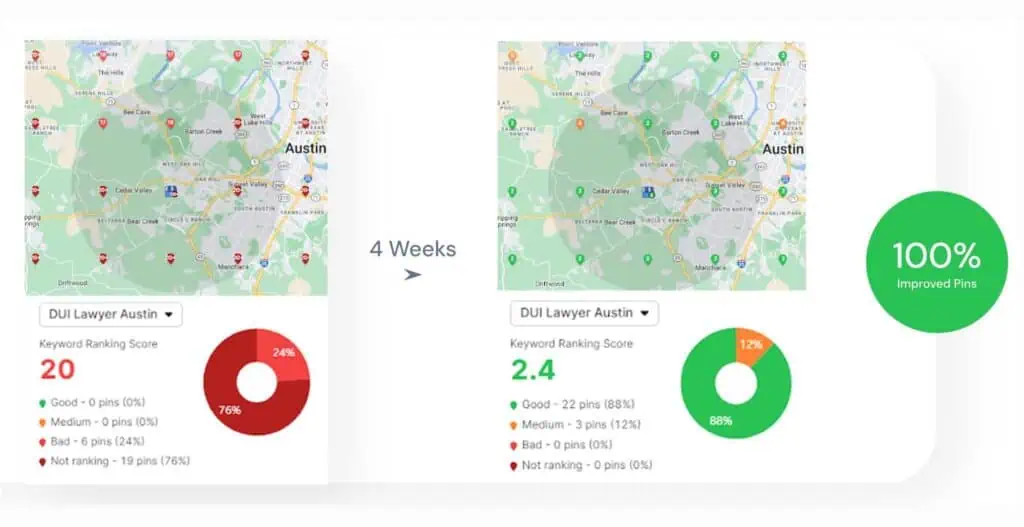
How does Search Atlas deliver accelerated local pack ranking results? The combination of OTTO and its content tools has helped health and beauty clients get pages into local packs quicker, reducing typical lag time after publishing. When OTTO handles technical SEO and GBP Galactic manages local engagement data, businesses gain better visibility into what drives calls and direction requests, accelerating map pack movement within a few update cycles.
What diverse SEO functionalities does Search Atlas unify? Search Atlas unifies SEO, content creation, local SEO, backlink analysis, and PPC management. Its comprehensive features include a keyword database of 5.2 billion terms, AI-powered keyword suggestions, competitor gap analysis, AI-driven NLP optimization for better on-page SEO, real-time backlink insights, and real-time rank tracking with comprehensive SERP feature monitoring.
Why are Search Atlas’s pricing plans more flexible and budget-friendly? Search Atlas offers flexible, budget-friendly pricing designed for businesses of all sizes, providing more powerful SEO tools for less cost compared to Yext and BrightLocal. Subscriptions start at $99/month for the Starter plan, with Growth at $199/month, Pro at $399/month, and custom pricing for Enterprise.