SEO for retail businesses helps websites rank higher in Google to attract more shoppers. Retailers optimize for searches like “discount spring jackets,” target local store searches, improve product page content, and create seasonal campaigns. Main challenges include managing hundreds or thousands of product pages, keeping inventory-based content up to date, competing with large ecommerce platforms, and maintaining local visibility across multiple locations.
Search Atlas solves retail SEO challenges with automated skills. OTTO fixes technical issues on product pages, keyword research identifies peak search periods, competitor analysis reveals strategies that outperform rivals, content generation produces product and category pages, WILDFIRE builds relevant backlinks, and local SEO automation manages Google Business Profiles. Retailers save time, rank higher for product and store searches, convert visitors into buyers, and track sales performance.

What is Retail SEO?
Retail SEO is the process of optimizing online or local retail websites to rank higher in search engine results pages (SERPs). Retail SEO involves improving product visibility, targeting keyword-driven searches, and enhancing website performance. It matters because ranking well directly influences customer discovery, traffic volume, and sales growth.
The main focus points of retail SEO include optimizing for long-tail keyword searches, improving technical performance like site speed and image optimization, and creating product-specific content that aligns with shopper intent. Retail SEO emphasizes updating product pages frequently, ensuring high-quality visuals, and structuring metadata to match how consumers search.
The main challenges of retail SEO are explained below.
1. Large-Scale Product Management. Retail sites often host hundreds to thousands of product pages, each requiring ongoing optimization for attributes like size, color, and price.
2. Constant Content Updates. Retail SEO demands frequent adjustments because products rotate, inventory changes, and search engine algorithms evolve.
3. Competitive Search Space. Retailers compete with ecommerce giants, marketplaces, and local competitors, which makes standing out in SERPs more difficult.
What Makes Search Atlas Different for Retail SEO?
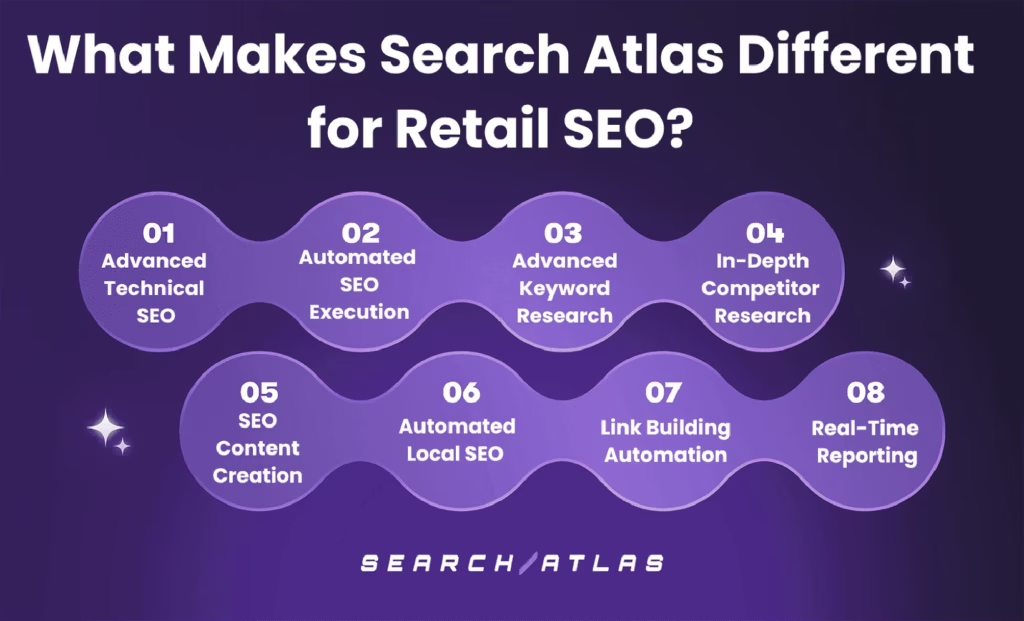
Search Atlas helps retailers overcome SEO challenges with an all-in-one marketing platform. It provides solutions to optimize large product catalogs, improve site performance, and manage search visibility for both ecommerce sites and brick-and-mortar locations. Retailers track competitor strategies, uncover keyword opportunities, and adjust pricing or content based on real market data.
Retail teams rely on Search Atlas to cut down repetitive SEO work through automation and detailed reporting. The platform produces optimized product content that reflects attributes like size, color, and pricing while supporting local search for stores through Google Business Profile management.
1. Technical SEO for Retail Websites
Technical SEO for retail businesses optimizes site structure, performance, and crawlability so search engines easily index product catalogs, category pages, and promotions. Key elements include site speed, mobile usability, structured data for products, secure HTTPS, Core Web Vitals, and clear navigation.
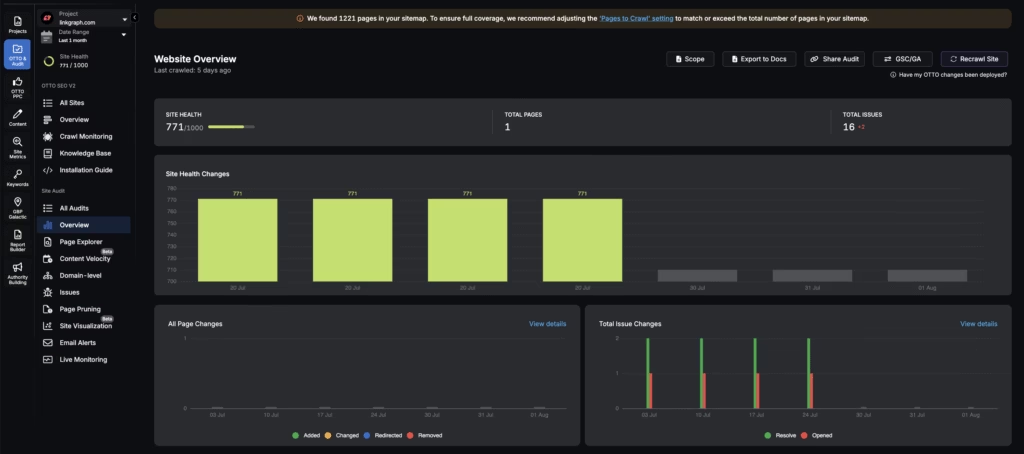
Search Atlas provides retailers with dedicated technical SEO capabilities. Site Auditor detects issues common to retail sites, the most common of which are listed below.
- Crawl errors blocking product or category indexing
- Broken links from discontinued products
- Mobile performance problems affecting browsing or checkout
- Unoptimized product images
- Slow loading during peak traffic
- Weak internal linking across categories
The platform sends alerts for critical issues and offers schema fixes, index management, and fix guides. Site audits run by entering a store domain, setting crawl preferences, and reviewing prioritized issues. OTTO automates updates to meta tags, headings, alt text, structured data, and other issues, with no manual work required.
For example, an apparel store audit revealed slow-loading product pages, missing Product schema, and checkout errors on mobile. OTTO improved speed, restructured headings, added schema for price and availability, and fixed crawl inefficiencies. The result was faster mobile performance, product listings in rich results, and higher conversion rates.
2. Automated SEO Tasks with OTTO
OTTO is an AI-powered assistant that executes SEO tasks at scale across retail websites. OTTO applies technical fixes, on-page updates, structured data, and local SEO optimizations precisely, reducing manual work and human error.
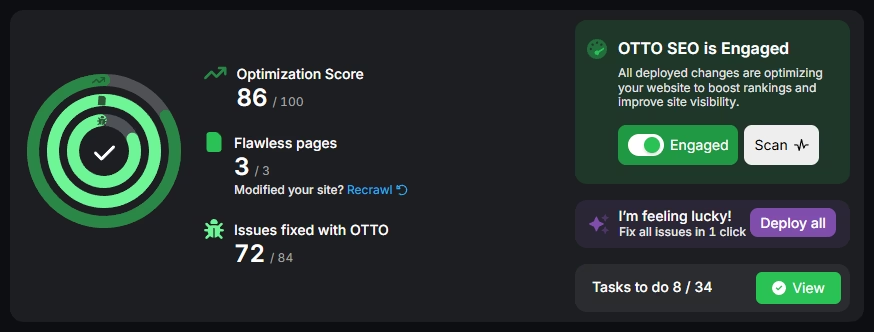
Retailers managing hundreds or thousands of products, seasonal promotions, and multiple store locations face time-consuming SEO updates. OTTO automates repetitive tasks while keeping critical updates under control.
Key capabilities of OTTO are listed below.
- Page-Level SEO Automation. Fixes meta tags, title formatting, image alt text for products, and canonical tags across category and product pages. Addresses issues like broken links, duplicate content, and slow-loading pages.
- Structured Data Management. Adds Product schema, pricing, availability, and promotions. Updates seasonal catalogs automatically.
- Content Structure Maintenance. Corrects heading hierarchy, embeds relevant product and local keywords from Google Search Console, and keeps pages organized for search visibility.
- Local SEO Automation. Updates Google Business Profile posts, synchronizes store information across directories, and manages review responses using AI.
- Targeted Link-Building. Supports relationships with relevant blogs, local business sites, and supplier partners to grow backlinks.
- Diagnostics and Validation. Checks HTML, indexing readiness, and page execution to prevent technical issues.
- Performance Insights. Monitors local rankings, page performance, and GBP engagement to prioritize improvements.
A fashion retailer with multiple seasonal collections used OTTO to optimize product pages, update schema, and manage GBP posts. Pages loaded faster, product listings appeared in rich results, and store locations gained visibility. OTTO allowed the marketing team to scale updates efficiently without increasing manual work.
3. Seasonal, Trending, and Long-Tail Retail Keyword Research
Seasonal and trending keywords reflect shifts in customer searches during holidays, sales periods, and cultural trends. Retail businesses see spikes for terms like “Black Friday deals,” “summer dresses,” or “back-to-school supplies.” Short-term surges such as “Stanley cup tumbler” or “Barbie pink outfit” create opportunities for traffic and sales.
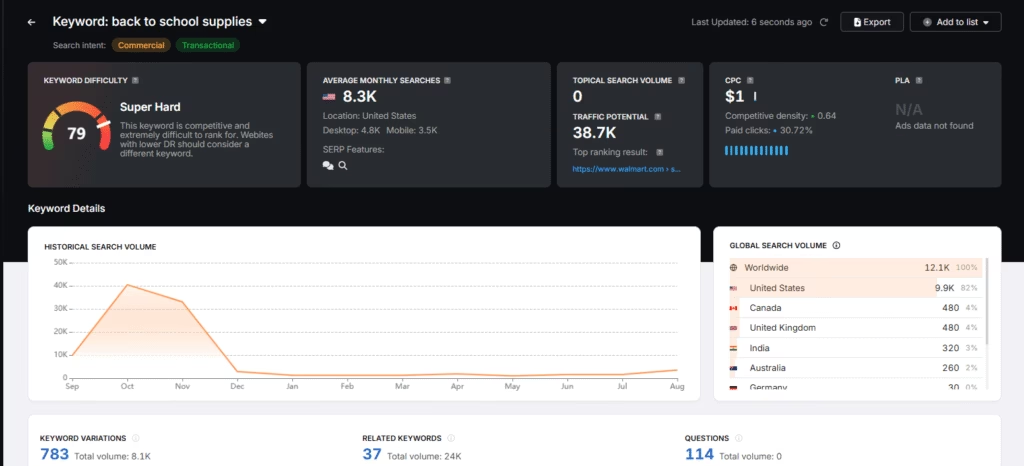
Search Atlas combines Google Search Console (GSC) data with Keyword Research to provide a complete view of demand. GSC shows how a retailer site performs for seasonal queries, while Keyword Research uncovers historical volumes, competitor activity, and trending terms. Retailers use these insights to plan campaigns, promotions, and content in advance.
Search Atlas helps retailers target different types of keywords, listed below.
- Long-Tail Keywords. Optimizes for specific attributes like size, color, material, or price to capture high-intent shoppers.
- Category Keywords. Identifies which product categories generate traffic and ranks for hierarchical site structure.
Transactional Keywords. Highlights terms indicating purchase intent, such as “buy,” “discount,” or “free shipping. - Local Keywords. Tracks city or neighborhood terms to drive foot traffic and local sales.
- Competitor Gaps. Finds keywords competitors rank for but the retailer does not, uncovering new content or product opportunities.
To use seasonal and trending keywords with Search Atlas, follow the steps listed below.
1. Enter products, promotions, or categories into Keyword Research.
2. Review recurring spikes, trending searches, and competitor keyword gaps.
3. Align campaigns with peaks in demand and seasonal interest.
Retail SEO depends on keyword research to connect search visibility with sales performance. Using Search Atlas, retailers capture high-converting traffic, launch campaigns during peak demand, and adjust inventory or promotions according to shopper behavior.
4. Competitor Analysis for Retail Brands
Retail competitor research examines how other stores optimize for search engines and attract buyers. This research analyzes which competitors rank for products, categories, promotions, or local searches, their page layouts, content strategies, and backlink profiles.
Key focus areas include competitor keyword performance, product and category page structures, content approaches for promotions or product guides, and overall domain authority. This analysis identifies gaps and opportunities to improve visibility and revenue.
Search Atlas provides 4 competitor research features that reveal actionable marketing insights for retail businesses. The 4 features are listed below.
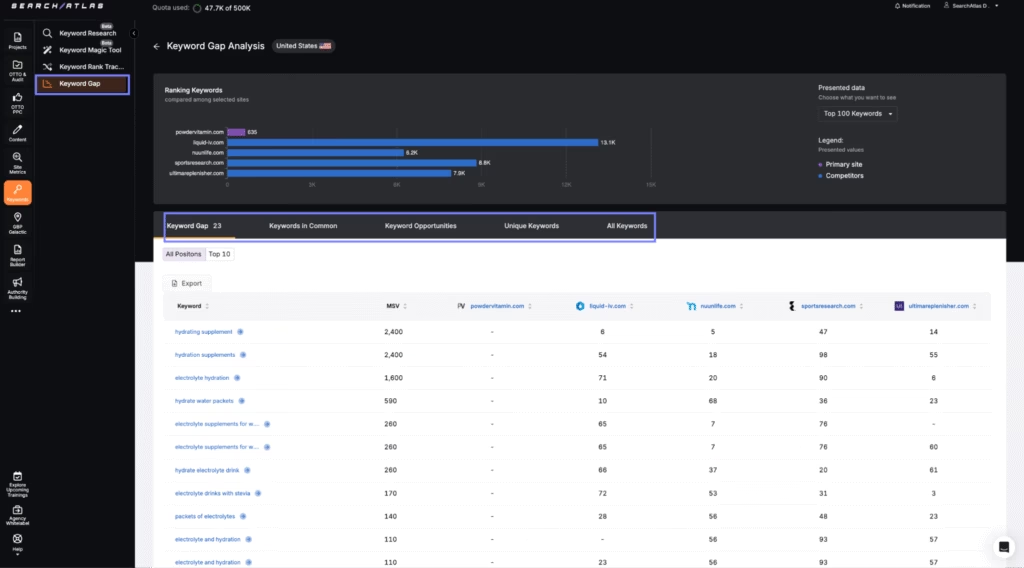
1. Keyword Gap. Compares keyword performance across up to 6 competitors to find products, categories, or promotions your site is missing. This highlights untapped search opportunities.
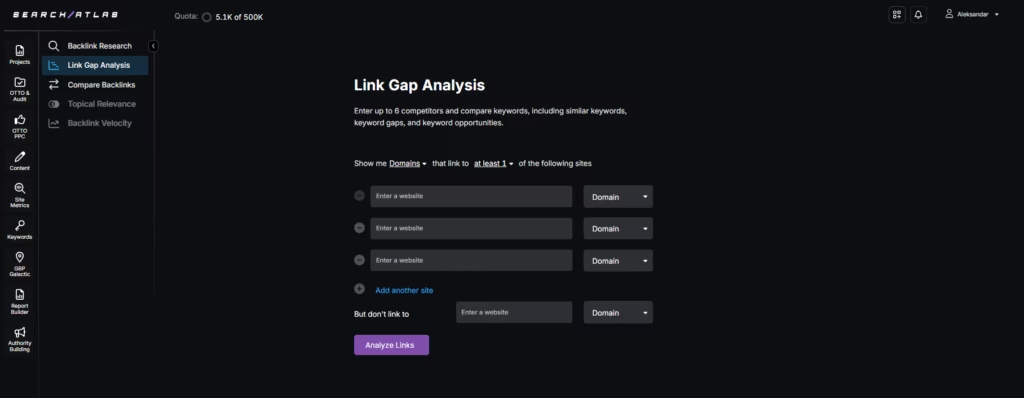
2. Link Gap Analysis. Identifies websites linking to competitors but not to your store, uncovering potential backlinks from product review sites, retail directories, or partner blogs.
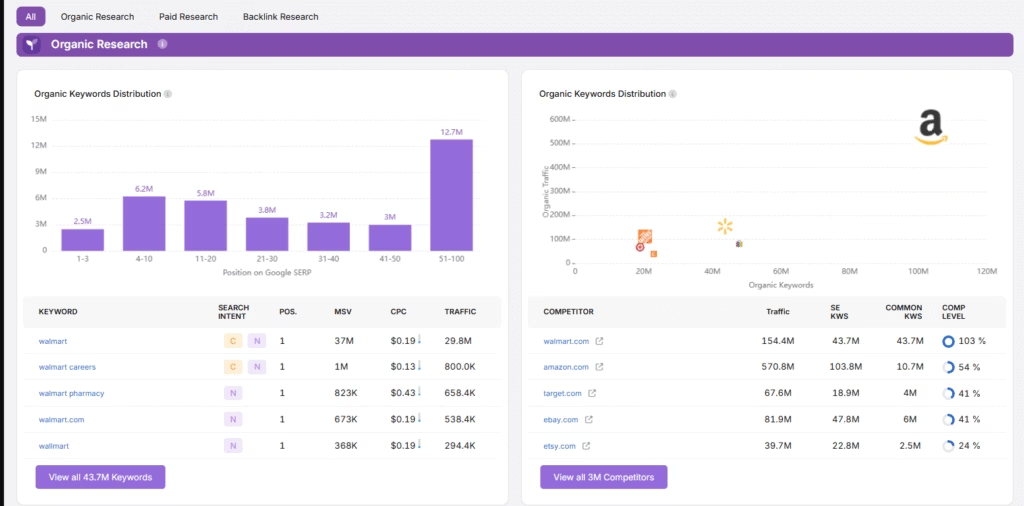
3. Site Explorer with Domain Power (DP). Tracks organic and paid keywords, traffic trends, backlinks, position changes, competitor sites, and visibility in large language model-driven search results for any retail website.
4. Topical Dominance. Shows content coverage for products, categories, guides, and promotions compared to competitors, helping retailers identify areas where they lack depth or authority.
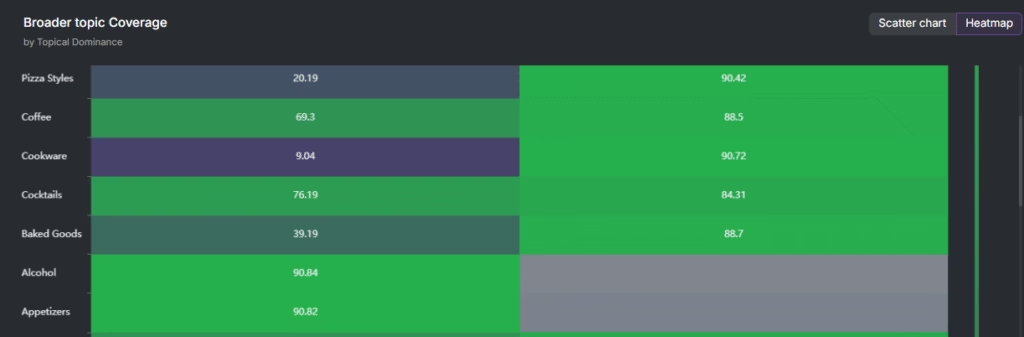
A fashion retailer used Search Atlas to analyze top competitors for athletic apparel. Keyword Gap revealed missing long-tail product terms, while Link Gap Analysis uncovered partnership opportunities with sports blogs. Topical Dominance highlighted weak coverage for seasonal promotions. After implementing updates, the retailer improved organic rankings and captured new search traffic.
5. Retail SEO Content Creation
Retail SEO content creation is the process of producing optimized content for online stores and product catalogs to rank in search engines and drive purchases. Retail teams research product, category, and promotional keywords, understand how customers search, and create content that appears in search results while converting visitors into buyers.
This process includes writing product descriptions, category pages, blog posts, optimizing page titles and meta descriptions, adding structured data for products, and building internal links between related pages. Consistent content updates help retailers keep pace with changing inventory, seasonal promotions, and trending products.
Search Atlas provides 4 features that support retail content creation. The features are listed below.
1. Content Planner. Organizes product, category, and promotional keywords by search intent, volume, and ranking potential. Retailers use it to create keyword clusters for category pages, product campaigns, or seasonal promotions.
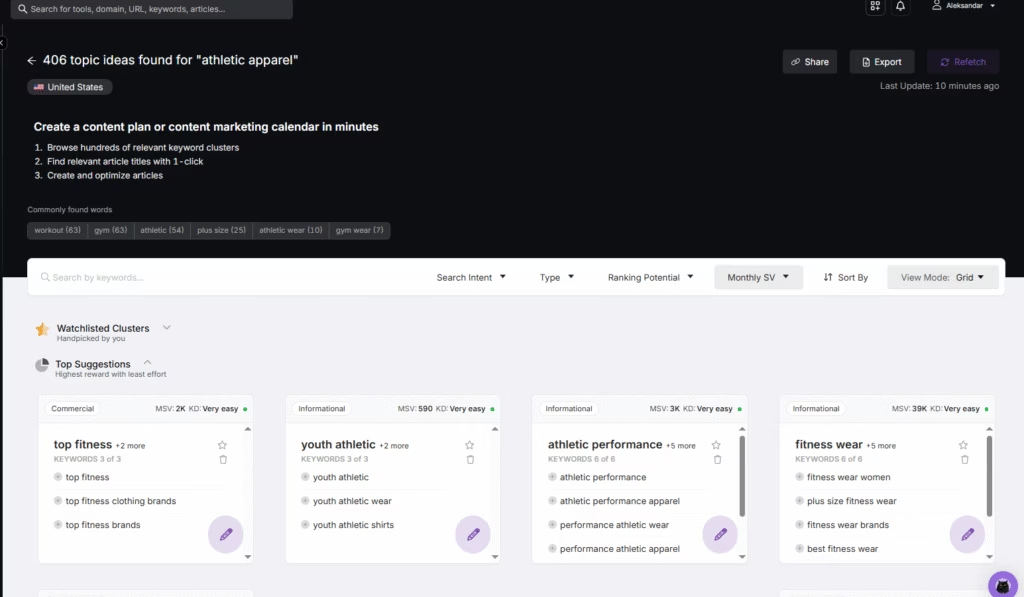
Content Planner starts from a seed keyword and generates topic ideas with automatic keyword research.
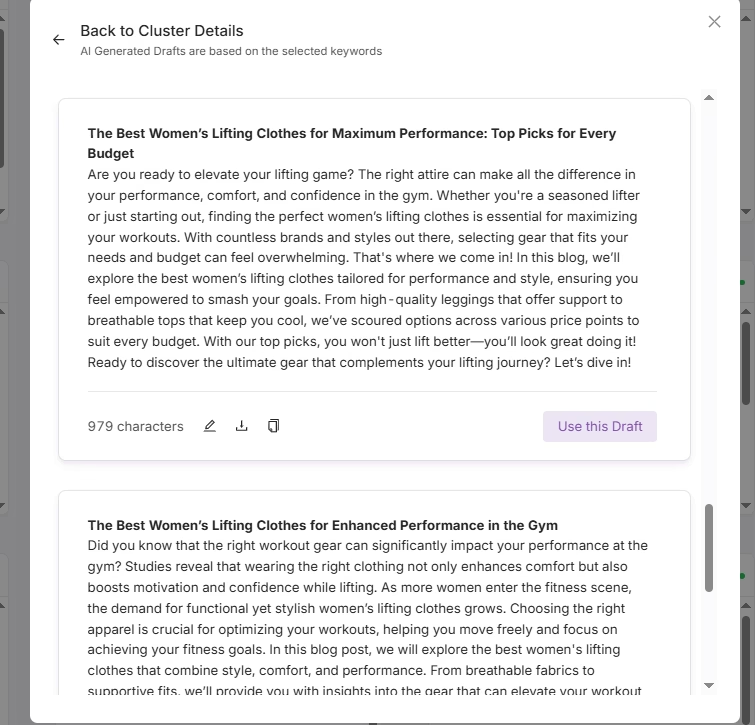
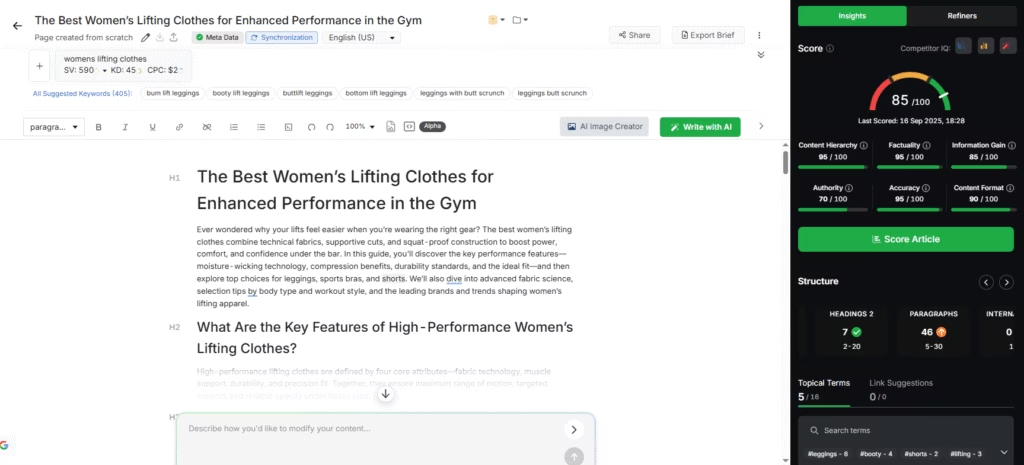
2. Content Genius. The process continues once you choose a topic. Content Genius drafts product descriptions using AI, blog posts, and promotional copy using live search data. These drafts act as starting points for brand voice and product accuracy review. It is possible to write manually or using AI, with integrated competitor content research, image generation, and content optimization.
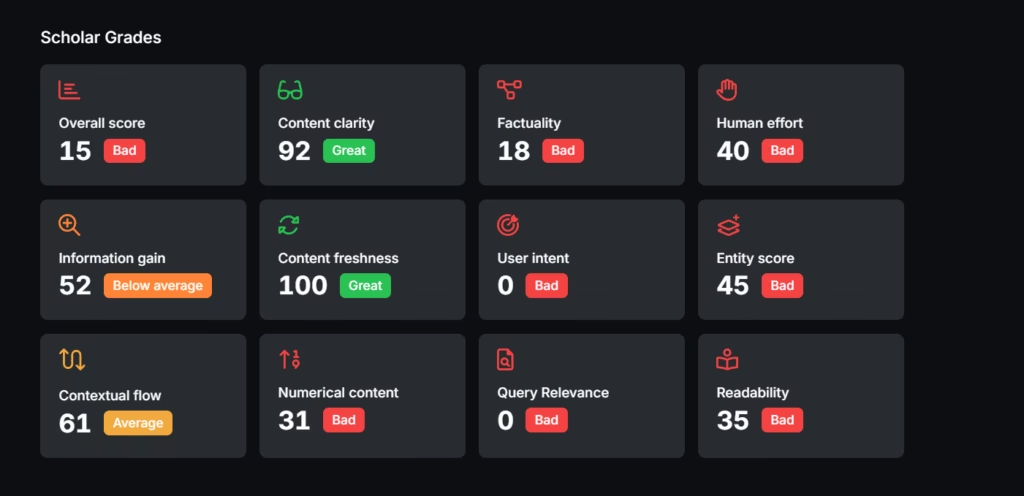
3. SCHOLAR. Evaluates content quality using Google ranking factors, checking readability, search intent alignment, and keyword coverage. Retailers optimize pages to meet SEO standards and enhance buyer engagement.
4. Landing Page Generator. Builds product, category, and promotion-specific pages at scale. Retailers use it to launch seasonal campaigns, new product lines, or localized promotions.
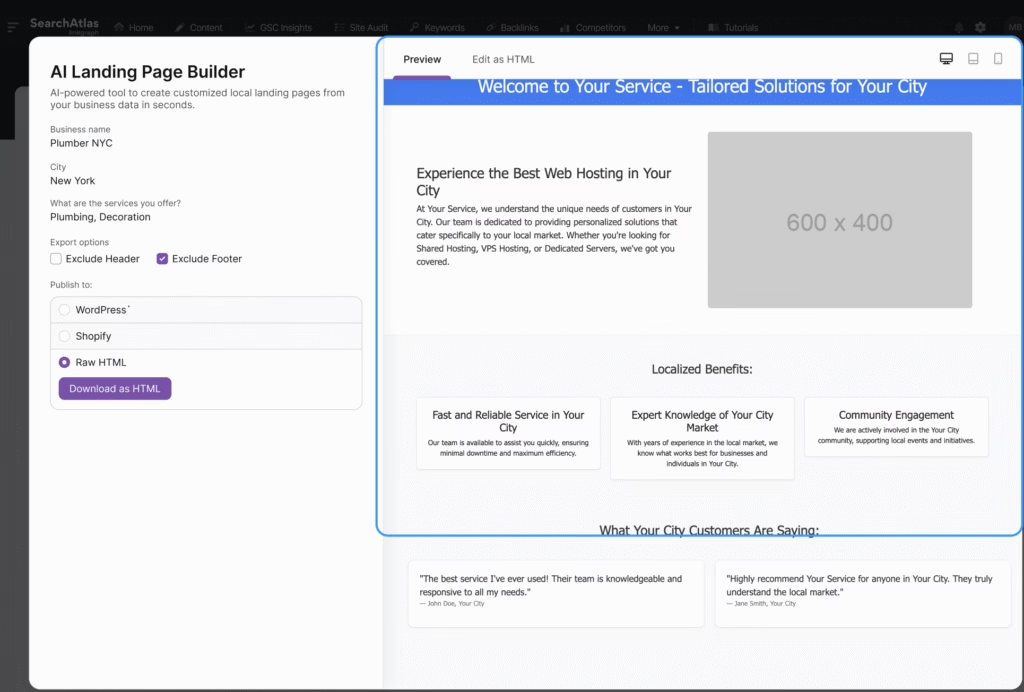
Combined, these features help retailers complete several SEO goals.
- Create product and category pages optimized for search and conversions.
- Produce blog posts, buying guides, and promotional content that support campaigns.
- Develop content strategies that guide visitors from research to purchase.
- Maintain consistent content updates across large product catalogs with minimal manual effort.
A retailer selling electronics used Search Atlas to generate optimized category pages for laptops and headphones, draft seasonal blog posts, and evaluate content quality with SCHOLAR. Pages ranked for high-intent terms, conversions increased, and content updates aligned with changing inventory and promotional schedules.
6. Local SEO for Single- and Multi-Location Retail Stores
Local SEO is the process of optimizing retail businesses to appear in nearby searches, maps, and local directories. Retail stores benefit from local SEO because it connects them with shoppers searching for terms like “shoe store near me,” “electronics in Brooklyn,” or “grocery delivery .”
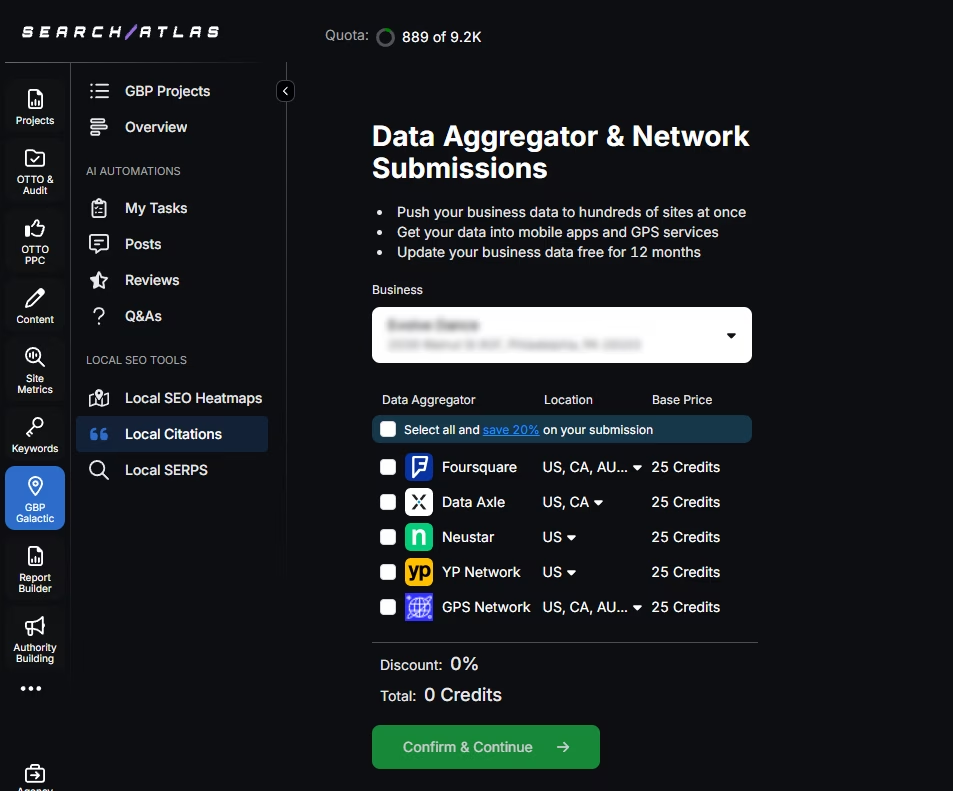
Search Atlas manages local SEO across single or multiple store locations, handling citation management, Google Business Profile (GBP) updates, and keyword visibility tracking. Local SEO Heatmaps show exactly where stores rank for target keywords across cities and neighborhoods.
Key features are listed below.
1. Citation Builder. Submits store information across major directories and data aggregators, ensuring consistent and accurate listings that improve local rankings.
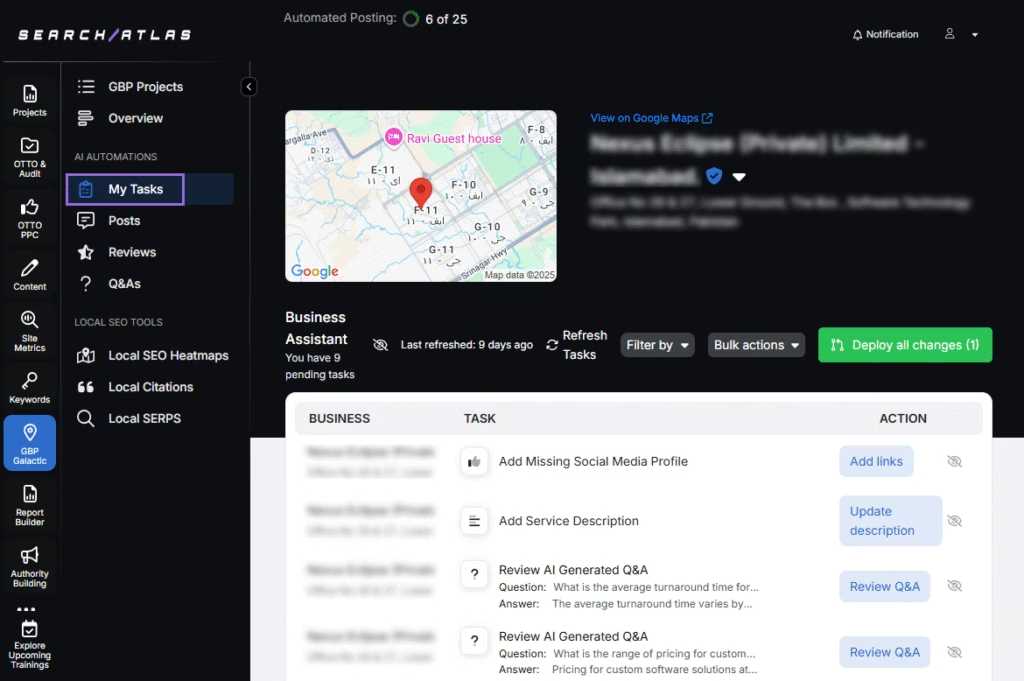
2. GBP Automation. Schedules posts, answers customer questions, and manages reviews using AI-powered responses.
3. Local SEO Heatmap. Monitors local search performance for products, categories, and promotions, highlighting which locations capture traffic and which need optimization. Compares performance over time.
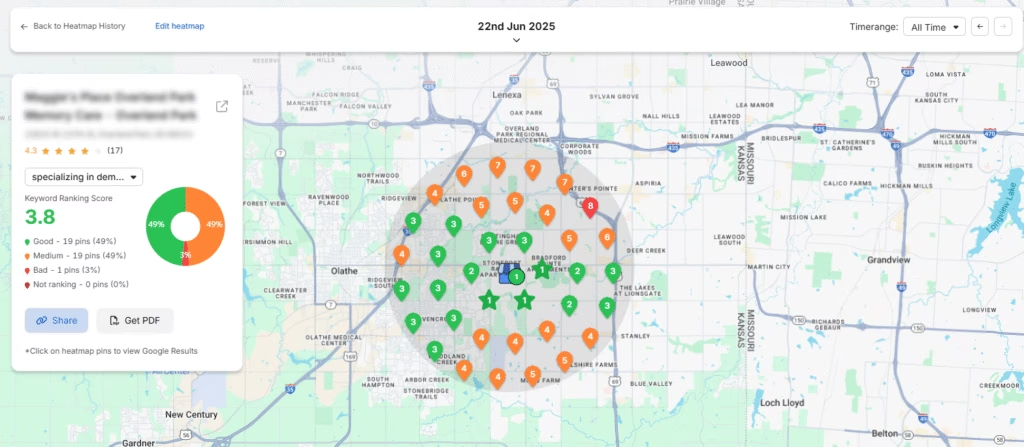
A retail chain used Search Atlas to update its Google Business Profiles, synchronize directory listings, and track keyword visibility across 15 locations. Stores that implemented these updates appeared higher in local searches, received more map clicks, and experienced increased foot traffic and local sales.
7. Link Building Automation
Link building for retail SEO focuses on acquiring high-quality backlinks from relevant industry, local, and partner websites to improve search rankings and referral traffic. Retailers benefit from links from product review sites, niche blogs, local business directories, and supplier or brand partnerships. Strong backlinks strengthen domain authority, support product and category pages, and enhance visibility in search results.
Search Atlas provides automated features that simplify link acquisition while maintaining quality and relevance. The features are listed below.
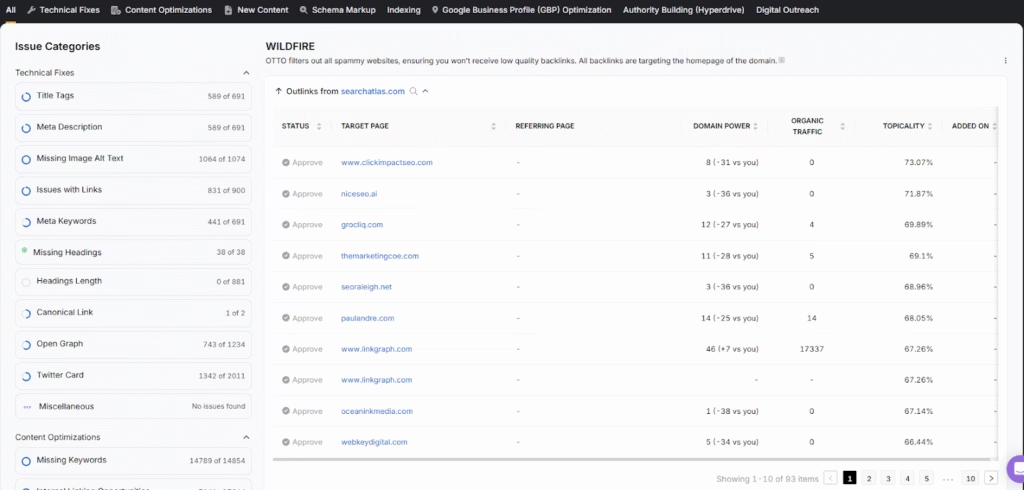
1. WILDFIRE Link Exchange System. Identifies retail-relevant websites for link exchanges. Each partner is evaluated for quality and relevance before participating. Retailers provide two links to approved partners and receive one backlink in return, distributing anchor text across product, category, and promotion pages.
2. Digital PR Outreach. Automates outreach to journalists, bloggers, and influencers in retail niches. Tracks contact engagement, sends follow-ups, and manages campaigns for product launches, seasonal promotions, or sales events.
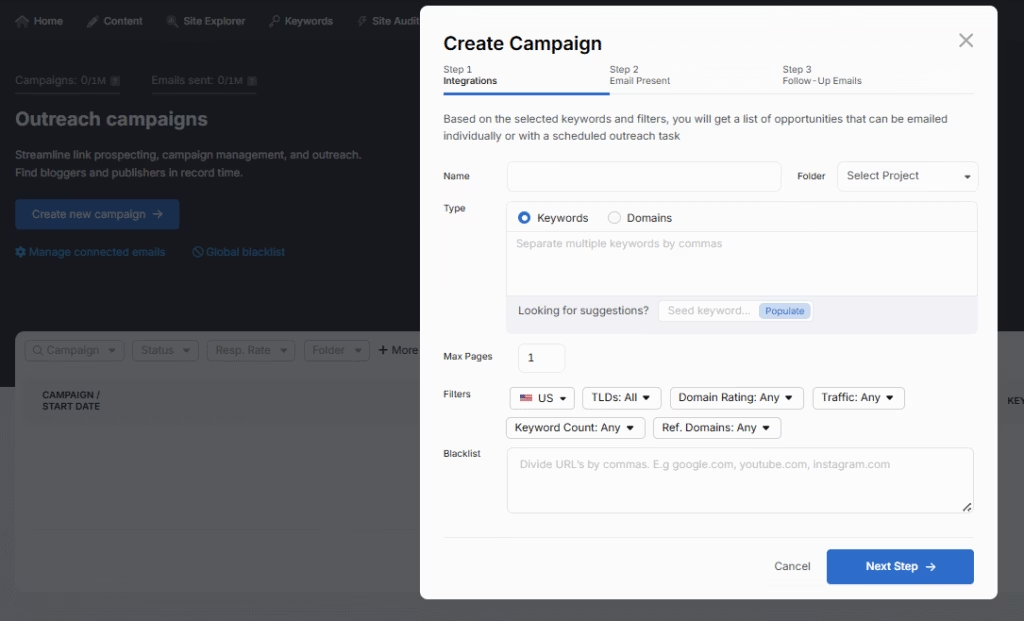
Automation drives measurable SEO impact from links while maintaining brand safety and relevance. Retailers use these features to secure backlinks that improve rankings for high-intent product keywords, drive referral traffic, and enhance authority across product categories.
A home goods retailer used WILDFIRE to exchange links with lifestyle blogs and PR Outreach to promote a seasonal furniture collection. The site gained backlinks from authoritative sources, increased organic rankings for key product pages, and saw a measurable boost in referral traffic and sales.
8. Real-Time SEO Reporting
Real-time SEO reporting tracks search performance, local visibility, and website engagement for retail businesses. Retailers benefit from monitoring product pages, category rankings, promotions, and local searches to make data-driven decisions and respond quickly to traffic or conversion changes.
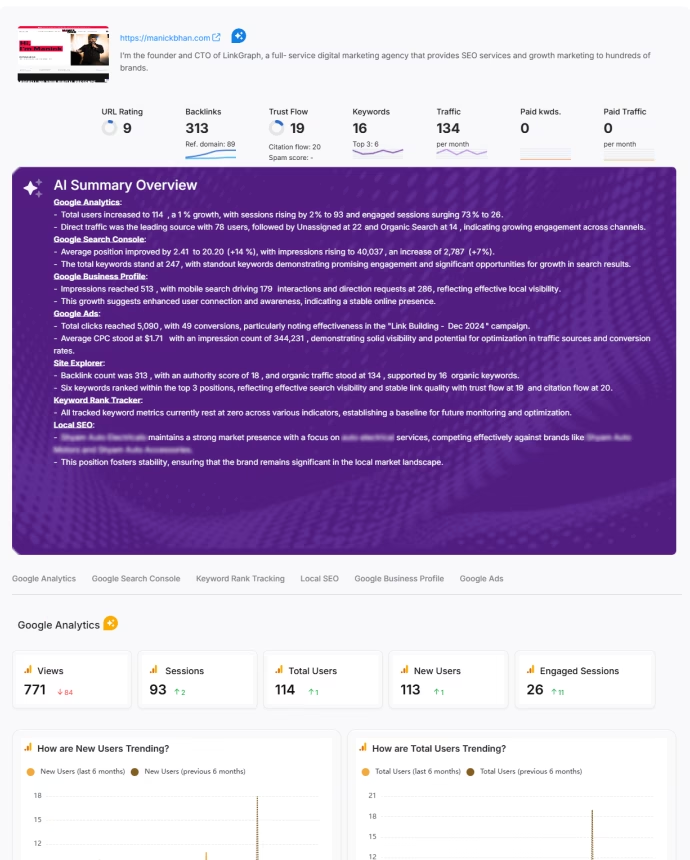
Search Atlas consolidates data from Google Search Console, Google Business Profiles, local SEO metrics, and rank tracking into customizable dashboards. Retailers gain actionable insights that align SEO with sales performance.
Key reporting features of Search Atlas are listed below.
- Executive Dashboards for Traffic and Keywords. Shows changes in organic clicks, product and category keyword rankings, and seasonal search performance. Identifies traffic spikes from new products, promotions, or events.
- Google Search Console Integration. Monitors rankings, impressions, and clicks for products, categories, and locations. Filters by city, region, or neighborhood. Alerts highlight ranking drops or competitor movements.
- Campaign Performance Analysis. Connects Google Ads campaigns for promotions, seasonal sales, or new product launches. Tracks cost-per-click, online orders, and conversions for specific items or locations.
- Mobile and Local Insights. Analyzes how customers search across mobile, desktop, and tablet. Highlights local search opportunities and map pack visibility.
- Multi-Location Analytics. Compares search performance and conversions across multiple store locations, identifying top-performing sites and locations needing optimization.
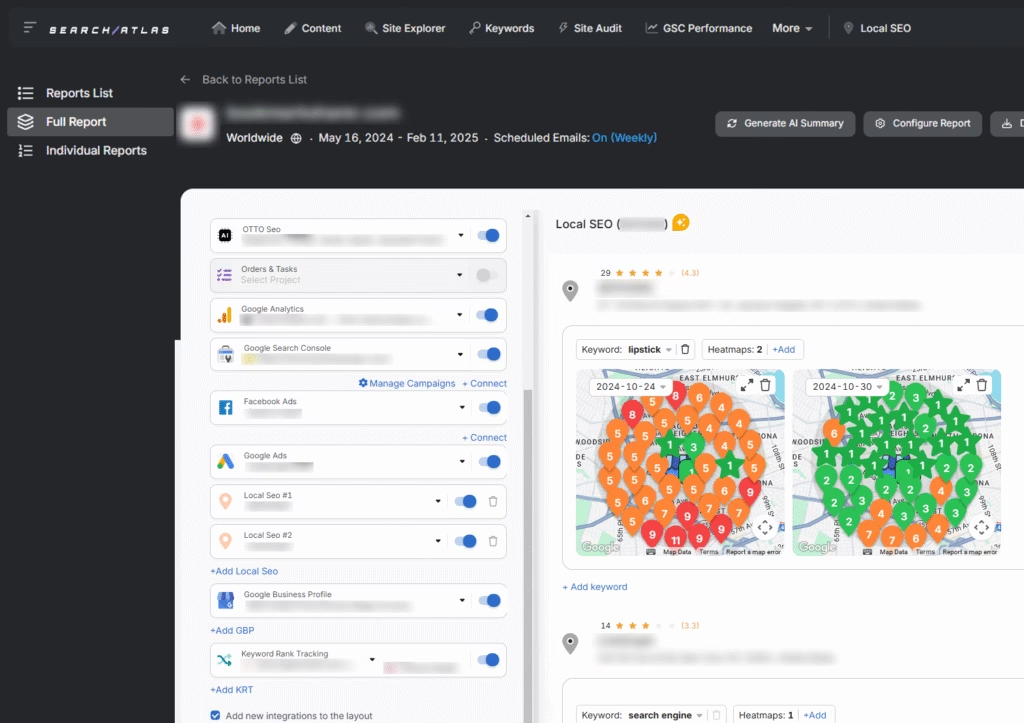
Reporting starts with heatmaps, explore detailed visuals with Search Atlas Report Builder.
A sporting goods retailer used Search Atlas dashboards to monitor keyword rankings and local search performance across 12 stores. The retailer identified low-performing product pages, optimized content, and launched promotions at the right time. Organic traffic and sales increased, while local visibility improved in highly competitive markets.
Why Do Retail Businesses Trust Search Atlas?
Retailers trust Search Atlas because it automates core SEO processes while continuously monitoring websites and Google Business Profiles. It reduces manual work, keeps updates consistent, and tracks performance across hundreds or thousands of product pages.
OTTO handles technical fixes, Product schema, on-page optimization, and structured data updates, saving marketing teams hours on page updates and audits. For seasonal campaigns or large product catalogs, minimal manual oversight keeps dynamic inventory optimized.
Retailers improve rankings for product and local searches because Search Atlas strengthens domain authority and store visibility efficiently. SCHOLAR evaluates content quality, keyword coverage, and search intent alignment to make product pages, category listings, and promotional content perform better in search results.
Link-building features like WILDFIRE and Digital PR Outreach generate backlinks from relevant blogs, supplier sites, and local business directories, creating measurable SEO impact. Dashboards provide clear insights into keyword performance, local rankings, product page visibility, and sales trends, helping marketing teams prioritize updates and campaigns accurately.
Pure-play online sellers with no physical storefront get the equivalent breakdown in the Search Atlas for ecommerce guide, which focuses on catalog-scale technical SEO and Google Merchant Center feeds instead of multi-location local search.
How Much Does Search Atlas Cost?
Search Atlas provides SEO solutions for retail businesses at every scale, starting at $99/month. All plans include full platform access, personalized onboarding, and a 7-day free trial.
Search Atlas pricing tiers are listed below.
- Starter Plan. Best for single-location stores or small online shops. Includes all core SEO features for $99/month.
- Growth Plan. Designed for multi-location retailers or ecommerce stores with extensive product catalogs. Adds higher limits, automated product page optimization, and local SEO features for $199/month.
- Pro Plan. Supports agencies or large-scale retail operations with unlimited stores, advanced reporting, and white-label dashboards for $399/month.
- Enterprise Solutions. Custom integrations, specialized reporting, and compliance features for national retail chains or major ecommerce brands. Pricing is tailored.
Every plan includes OTTO, Site Auditor, Content Genius, SCHOLAR, WILDFIRE, and all platform features.
Start a free trial to improve product page visibility, store location presence, and sales performance.