AI-generated content is the practice of using artificial intelligence (AI) to create, optimize, and scale marketing content across channels. AI content defines how modern teams produce blogs, ads, emails, and multimedia assets through automated systems instead of manual workflows. This shift changes how content is created, evaluated, and distributed in digital marketing environments.
AI-generated content matters because content production now operates at a scale and speed that manual processes cannot match. Marketing teams use AI to generate large volumes of content, reduce production time, and maintain consistency across campaigns. This acceleration transforms content from a limited resource into a continuous, data-driven system that evolves based on performance signals.
AI-generated content creates strong advantages in efficiency, scalability, and operational cost reduction. AI systems automate repetitive tasks, expand content coverage, and enable faster iteration cycles across channels. These advantages increase output while maintaining structured quality, which improves performance in environments where volume and speed influence visibility.
AI-generated content introduces limitations that affect originality, accuracy, and trust. AI systems rely on patterns from existing data, which leads to repetitive structures, limited novelty, and reduced differentiation across brands. Hallucinations introduce factual errors, while overuse of AI content reduces perceived authenticity and weakens audience trust.
AI-generated content requires structured oversight, human validation, and strategic direction to remain effective. High-performing teams combine AI execution with human control over accuracy, voice, and differentiation. This balance ensures that AI-generated content maintains quality, avoids risk, and contributes to long-term brand authority in search and marketing ecosystems.
What Is AI-Generated Content?
AI-generated content (AIGC) is digital content created by artificial intelligence models in response to structured human prompts. AI-generated content uses machine learning models trained on large datasets to produce text, images, audio, and video outputs. AI-generated content mimics patterns found in training data, which creates outputs that resemble human-created work. This pattern replication defines AI-generated content as a remix of existing knowledge rather than lived human experience.
AI-generated content expanded rapidly during the early 2020s as large language models (LLMs) and generative systems reached production quality. AI-generated content gained adoption across industries as tools improved speed, accuracy, and accessibility for non-technical teams. This expansion explains what is AI-generated content because modern content workflows now integrate machine-assisted creation at scale.
What defines AI-generated content in practice? AI-generated content is defined by speed, scale, and pattern-based generation. AI-generated content produces large volumes quickly, which increases publishing velocity across channels. AI-generated content reduces production costs through automation, which replaces repetitive manual workflows. AI-generated content adapts outputs to user data, which improves personalization across digital experiences.
AI-generated content depends on machine learning, deep learning, and natural language processing systems. These systems process large datasets and generate new outputs based on learned patterns. AI-generated content competes with human-generated content because it lacks experience, nuance, and original perspective. This limitation defines quality differences between synthetic output and human-authored material.
How Does AI Generate Content?
AI content generation works by predicting and assembling data patterns learned during training into new outputs based on prompts. AI content generation relies on generative AI models trained on massive datasets, which learn statistical relationships between words, images, audio signals, and code structures.
AI content generation transforms input prompts into structured tokens, then predicts the most probable next token repeatedly until a complete output forms. This prediction loop defines the ai content generation process because output emerges from probability, not understanding.
What powers the AI content generation process? AI content generation is powered by machine learning, deep learning, and neural network architectures. Machine learning identifies patterns across large datasets through repeated exposure. Machine learning builds statistical relationships between tokens, which guides prediction accuracy. This pattern learning enables AI-powered content creation across multiple formats.
What role does deep learning play in generative AI? Deep learning enables generative AI models to process complex relationships across large datasets using neural networks. Deep learning uses layered architectures that simulate decision paths similar to human cognition. This layered processing improves coherence, structure, and contextual relevance in generated outputs.
What is the role of transformer models in ai content development? Transformer models process sequences of tokens and capture long-range dependencies through attention mechanisms. Transformer models evaluate relationships between all tokens in a sequence, not just adjacent tokens. This attention mapping ensures consistency across long outputs, which improves ai content development quality.
What is the function of NLP and LLMs in using AI for content creation? Natural Language Processing enables AI to interpret and generate human language through structured representations. NLP converts text into tokens and assigns contextual meaning based on surrounding words. LLMs extend NLP by predicting token sequences at scale, which enables using AI for content creation across writing tasks.
What happens during the training process of generative AI? The training process adjusts model parameters through repeated prediction and error correction across billions of examples. The model predicts a token, compares it to the correct token, and updates internal weights. This iterative optimization improves prediction accuracy, which strengthens the ai content generation process.
What Are the Uses of AI-generated Content in Marketing?
AI-generated content is used in marketing to execute content production, personalization, campaign optimization, and customer interaction workflows at scale. AI-generated content replaces manual execution steps with automated systems that generate, adapt, and distribute content across channels. This execution model defines ai content development because content creation, testing, and iteration happen inside one continuous system.
The 8 main uses of AI-generated content in marketing are listed below.
- Content creation and copywriting workflows. AI-generated content executes blog writing, landing page creation, ad copy generation, and product descriptions. Marketing teams produce structured content directly from prompts. This execution defines ai powered content creation because output replaces manual drafting workflows.
- Visual and video assets for campaigns. AI-generated content produces images, graphics, and videos from prompts using generative models. Creative teams generate assets without design bottlenecks. This production expands campaign output across multiple formats simultaneously.
- Personalization and micro-segmentation strategies. AI-generated content generates tailored messages and assets for specific audience segments based on behavior and intent data. Systems adjust content dynamically across touchpoints. This personalization defines using AI for content creation in modern campaigns.
- SEO content generation and optimization workflows. AI-generated content executes keyword-aligned content creation, topic clustering, and on-page optimization. Models generate semantically aligned pages for search visibility. This execution connects ai content generation process with organic growth strategies.
- Advertising creatives. AI-generated content generates ad headlines, descriptions, and variations for PPC campaigns. Systems test multiple variations simultaneously. This generation enables continuous campaign optimization through data-driven iteration.
- Market research and content strategy development. AI-generated content analyzes customer data, reviews, and search patterns to generate insights and content directions. Models identify trends and gaps. This analysis informs campaign planning and messaging decisions.
- Product description and catalog content generation. AI-generated content generates large volumes of product descriptions and metadata for ecommerce platforms. Systems maintain consistency across catalogs. This automation increases efficiency in large-scale content environments.
- Customer interaction through chatbots and responses. AI-generated content generates responses for chat, reviews, and support interactions in real time. Systems maintain consistent tone and messaging. This interaction integrates content generation with customer experience workflows.
AI-generated content in marketing functions as an execution layer across creation, optimization, and interaction systems. This execution explains why using AI for content creation shifts marketing from manual workflows to automated content systems.
What Are the Pros of AI-Generated Content?
AI-generated content improves content workflows by increasing speed, scale, consistency, and data-driven execution across digital environments. AI-generated content replaces manual production steps with automated systems that generate, optimize, and adapt outputs continuously. This automation defines ai powered content creation in modern operations.
The 9 main pros of AI-generated content are listed below.
- Speed and Efficiency. Increases production speed and reduces execution time across content workflows. AI-generated content automates up to 70% of repetitive tasks. Systems process large datasets in minutes and generate drafts faster than human typing speed. This speed reduces research time from hours to minutes and accelerates campaign execution.
- Cost-Effectiveness. Reduces content production costs significantly across teams and operations. AI-generated content replaces manual workflows that require large teams. Businesses reduce labor costs by over $100,000 across 5 years and decrease production time by more than 90%. This cost reduction improves operational efficiency.
- Scalability and Volume. Expands content production without proportional increases in resources or team size. AI-generated content generates high volumes across text, visual, and multimedia formats simultaneously. Cloud-based systems scale output instantly. This scalability defines ai content development at enterprise level.
- Consistency and Quality Control. Maintains consistent tone, structure, and terminology across large volumes of content. AI-generated content applies brand guidelines systematically across outputs. Systems learn from existing content patterns and replicate them accurately. This consistency strengthens brand identity across campaigns.
- Personalization at Scale. Delivers tailored content based on behavior, intent, and audience segmentation data. AI-generated content adapts outputs dynamically across channels in real time. This personalization increases engagement rates by 20% to 70% and improves conversion performance.
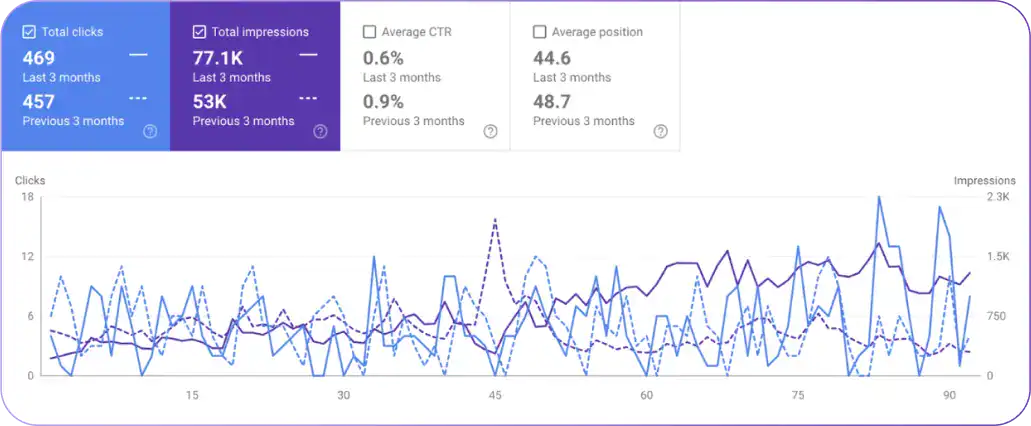
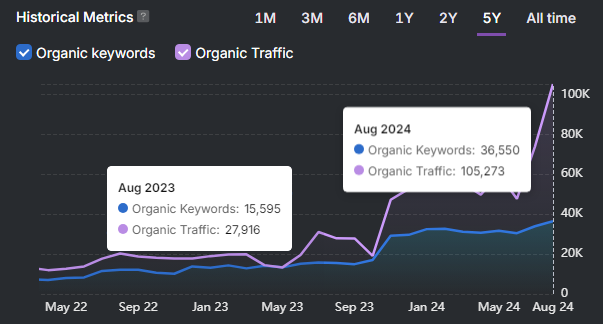
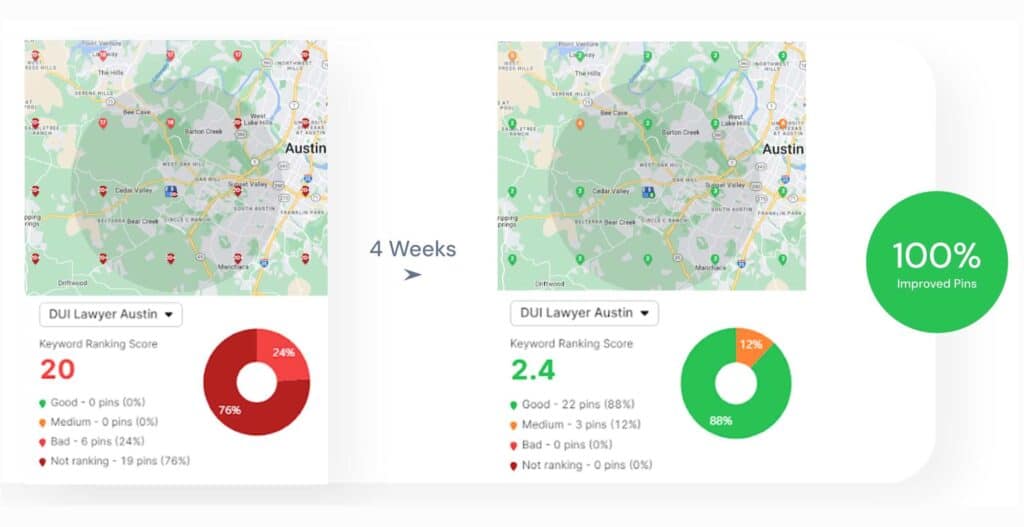
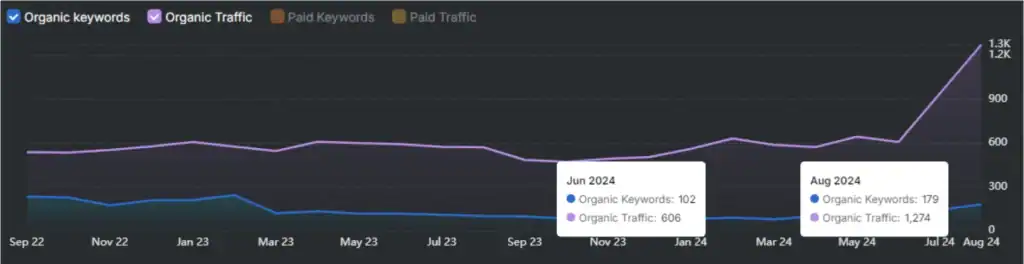
- SEO Optimization Assistance. Improves search performance through structured, keyword-aligned, and intent-driven content generation. AI-generated content analyzes large datasets to identify search patterns and opportunities. Case studies show increases of 77% in clicks and 124% in impressions. This optimization increases visibility in search and AI-driven environments.
- Multilingual Capabilities and Localization. Produces content across multiple languages with consistent meaning and cultural adaptation. AI-generated content enables global reach with faster translation and fewer errors. Over 72% of consumers prefer content in their native language, which increases accessibility and conversion rates.
- Creative Acceleration and Idea Generation. Expands creative output by generating ideas, variations, and content directions from prompts. AI-generated content increases novelty by up to 9.0% and improves usefulness of outputs. This acceleration reduces creative blocks and increases ideation speed.
- Rapid Iteration and Testing. Enables continuous testing and refinement of content across campaigns. AI-generated content generates multiple variations simultaneously and evaluates performance in real time. This iteration improves decision-making and increases campaign efficiency.
AI-generated content combines automation, scale, and data-driven execution into one continuous system. This combination explains why using AI for content creation transforms content performance and operational efficiency.
What Are the Cons of AI-Generated Content?
AI-generated content creates quality, legal, and strategic risks because generative systems predict patterns instead of understanding truth, originality, or human nuance. AI-generated content accelerates production, but that speed introduces weaknesses in creativity, factual accuracy, ownership, and judgment. This gap explains why using AI for content creation requires human review and editorial control.
The 7 main cons of AI-generated content are listed below.
- Lack of Originality and Creativity. Produces predictable and repetitive outputs based on common patterns in training data. AI-generated content recombines existing material instead of creating truly new ideas. This pattern bias reduces diversity, limits risk-taking, and weakens breakthrough creativity.
- Accuracy Issues and Hallucinations. Generates plausible statements that contain false, fabricated, or misleading information. AI-generated content predicts likely language, not verified truth. This prediction model creates factual errors, invented citations, and unreliable claims that require manual checking.
- Plagiarism and Intellectual Property Risks. Creates ownership and infringement risks through training data overlap and substantially similar outputs. AI-generated content reproduces protected expressions without clear attribution. This overlap creates legal exposure, reputational damage, and uncertainty around copyright protection.
- Lack of Emotional Depth and Tone. Some systems struggle to communicate lived emotion, empathy, and authentic voice with human precision. AI-generated content imitates emotional language without feeling emotion. This imitation creates flat writing, tone mismatch, and weaker audience connection in sensitive contexts.
- Poor Contextual Understanding. Misreads nuance, intent, audience stage, and situational context in complex topics. AI-generated content processes patterns from prompts and training data without human comprehension. This limitation creates generic, off-target, or contextually inaccurate outputs.
- High Dependence and Reduced Critical Thinking. Encourages over-reliance on automation instead of active reasoning and editorial judgment. AI-generated content reduces mental effort during research, writing, and evaluation tasks. This dependence weakens critical thinking, skill development, and independent verification habits over time.
- Inherited Bias and Ethical Risks. Reflects and amplifies bias present in training data, model design, and optimization choices. AI-generated content produces discriminatory, misleading, or harmful outputs at scale. This bias creates fairness, accountability, privacy, and trust risks across industries.
What Are Best Practices for Using AI-Generated Content?
AI-generated content requires strict control, human oversight, and clear editorial standards to maintain accuracy, originality, and trust. AI systems generate drafts, patterns, and variations quickly, but AI systems do not validate truth, create lived experience, or protect brand credibility on their own. Effective use depends on workflows where humans control strategy, verification, and final publishing decisions.
The 6 best practices for using AI-generated content are listed below.
1. Use AI as a First Draft, Not a Final Publish
Using AI as a first draft ensures that content starts with speed but ends with human judgment and originality. AI-generated drafts provide structure, headings, summaries, and baseline explanations in seconds. This speed improves workflow efficiency, but the output often feels generic, repetitive, or emotionally flat without editing. Human revision adds perspective, stronger transitions, sharper language, and a real point of view. A strong workflow treats the first AI draft as raw material that needs to be rewritten, refined, and reshaped before publication.
2. Require SME Fact-Checking
Requiring subject matter expert fact-checking ensures that content stays accurate, credible, and safe to publish in specialized fields. AI-generated content often presents false claims, weak sources, or invented details with confident language. This confidence creates risk because readers trust information that sounds correct but fails under review. Subject matter experts verify technical claims, correct nuance, and identify missing context that general models miss. A strong process checks every important claim, statistic, quote, and recommendation against trusted primary sources before approval.
3. Avoid Bulk Publishing
Avoiding bulk publishing prevents quality loss, repetition, and scaled content abuse across a website or content program. AI makes high-volume output easy, but easy output often creates low-value pages with little differentiation. Search engines evaluate usefulness, originality, and depth, not how fast a site publishes hundreds of pages. Large volumes of weak content dilute authority signals and weaken trust across stronger pages. A better approach publishes fewer pages with clear intent, stronger insights, and real editorial value instead of flooding a site with shallow variations.
4. Inject Original Data and Brand Insights
Injecting original data and brand insights ensures that AI-generated content becomes distinctive instead of sounding interchangeable with everything else online. AI systems learn from existing material and often repeat patterns already present across public content. Original surveys, internal data, case studies, customer insights, and expert commentary create information that generic systems cannot reproduce authentically. This original layer increases authority and gives readers a reason to trust the content. A strong workflow adds proprietary evidence and brand perspective after drafting so the final piece reflects real expertise rather than recycled language.
5. Follow Disclosure and Transparency Standards
Following disclosure and transparency standards protects trust and sets clear expectations for readers, clients, and publishing partners. AI-generated content raises questions around authorship, originality, and how much machine involvement shaped the final output. Clear disclosure reduces confusion and shows that the organization has nothing to hide about its workflow. Disclosure matters even more in sensitive areas where readers expect accountability, accuracy, and human judgment. A practical standard explains where AI contributed, confirms that humans reviewed the work, and keeps that explanation visible and easy to understand.
6. Use AI Detection Tools Before Publishing
Using AI detection tools before publishing adds one extra review layer for identifying mechanical phrasing, repetitive structures, and originality risks. Detection tools do not provide perfect answers, and they do not prove whether content is acceptable on their own. Their real value comes from flagging sections that deserve closer editorial review. Editors use these signals to identify stiff wording, over-patterned language, or passages that need stronger human rewriting. A reliable workflow combines detection tools with plagiarism checks, manual editing, and factual review instead of trusting one tool as the final decision-maker.
What are the Best AI Content Generation Tools for Marketing?
The best AI content generation tools for marketing automate drafting, editing, design, and multimedia production across campaigns. These tools improve speed, consistency, and output quality while supporting content workflows from ideation to distribution.
The 10 best AI content generation tools for marketing are listed below.
- Search Atlas
- ChatGPT
- Jasper
- Claude
- Copy.ai
- Writer.com
- Notion AI
- Gemini
- Grammarly
- HeyGen
1. Search Atlas. Search Atlas is a leading tool for AI content generation in marketing because it combines content creation with SEO, entity optimization, and structured writing systems. Search Atlas Content Genius controls structure, headings, and topical coverage, which ensures consistency across long-form content. Scholar reinforces factual accuracy, entity relationships, and citation patterns, which strengthens authority and reliability. Search Atlas connects content generation with search performance, which creates a unified workflow where writing, optimization, and visibility operate together.
2. ChatGPT. ChatGPT is a leading tool for AI content generation in marketing because it produces structured drafts, rewrites content, and supports iterative refinement across multiple formats. ChatGPT adjusts tone, expands ideas, and restructures content based on detailed prompts, which improves flexibility across blog posts, landing pages, and campaign assets. Iterative prompting enables continuous improvement, which strengthens clarity and removes repetitive phrasing over multiple revisions. ChatGPT performs strongly in workflows that require fast drafting combined with controlled editing and optimization.
3. Jasper. Jasper is a specialized tool for AI content generation in marketing because it focuses on conversion-driven writing and brand-aligned messaging. Jasper generates marketing copy designed for ads, emails, and landing pages with structured templates that guide output quality. Brand voice controls maintain consistent tone across campaigns, which reduces variation in messaging. Jasper supports teams that require scalable content production aligned with performance goals and conversion metrics.
4. Claude. Claude is an advanced tool for AI content generation in marketing because it produces clear, structured, and context-aware outputs with strong tone consistency. Claude maintains coherence across long-form content, which prevents drift between sections and preserves narrative flow. Balanced sentence structure and controlled variation improve readability while keeping alignment with defined tone rules. Claude performs well in content that requires clarity, precision, and stable voice across extended formats.
5. Copy.ai. Copy.ai is a focused tool for AI content generation in marketing because it generates campaign-ready copy for multiple channels with structured workflows. Copy.ai supports content creation for ads, emails, and social posts through guided prompts that define format and intent. Consistent output structure improves efficiency across repeated content tasks, which streamlines production. Copy.ai fits teams that require fast generation of short-form marketing assets with clear messaging.
6. Writer.com. Writer.com is an enterprise tool for AI content generation in marketing because it enforces brand guidelines, compliance rules, and tone consistency across teams. Writer.com applies centralized style rules to all generated and edited content, which ensures alignment with company standards. Governance features control terminology, voice, and messaging, which reduces inconsistency across large organizations. Writer.com supports teams that require controlled, scalable, and compliant content production.
7. Notion AI. Notion AI is a productivity-focused tool for AI content generation in marketing because it integrates drafting, summarization, and planning inside a unified workspace. Notion AI generates outlines, expands notes, and refines content directly within project documents, which improves workflow continuity. This integration connects ideation and execution, which reduces friction between planning and writing. Notion AI supports teams that manage content pipelines alongside documentation and collaboration.
8. Gemini. Gemini is a versatile tool for AI content generation in marketing because it produces concise and context-aware outputs with adaptive tone control. Gemini responds effectively to structured prompts that define format and intent, which results in clear and direct communication. Logical organization and consistent phrasing improve readability across short-form and informational content. Gemini performs well in workflows that prioritize clarity, brevity, and structured responses.
9. Grammarly. Grammarly is an essential tool for AI content generation in marketing because it improves clarity, grammar, and tone at the sentence level during editing. Grammarly identifies inconsistencies, rewrites unclear phrasing, and aligns vocabulary with defined intent, which strengthens readability. Continuous feedback during writing and revision ensures consistent tone across final outputs. Grammarly acts as a validation layer that refines content before publication.
10. HeyGen. HeyGen is a video-focused tool for AI content generation in marketing because it creates synthetic video content with avatars, voiceovers, and scripted messaging. HeyGen transforms written scripts into visual presentations, which enables scalable video production without filming. Consistent delivery and controlled narration improve message clarity across video campaigns. HeyGen supports marketing teams that expand into video content without traditional production workflows.
How Does AI-Generated Content Compare to Human-Written Content?
The difference between AI-generated content and human-written content lies in how content is created, validated, and experienced by audiences. AI-generated content predicts patterns from data, while human-written content builds meaning from knowledge, experience, and intent. This distinction defines how content performs across SEO, trust, and engagement.
The core differences between AI-generated content and human-written content are below.
| Aspect | AI-Generated Content | Human-Written Content |
|---|---|---|
| Purpose | Produces content at scale using pattern prediction and automation. | Produces content based on expertise, intent, and communication goals. |
| Speed and volume | Generates large volumes of content instantly across formats. | Produces content at a slower pace with limited scalability. |
| Cost structure | Reduces upfront production costs through automation. | Requires higher investment due to time and expertise. |
| Quality and depth | Creates structured but often generic and repetitive outputs. | Creates nuanced, original, and context-rich content. |
| Accuracy and reliability | Generates plausible but incorrect information without validation. | Maintains higher accuracy through verification and accountability. |
| SEO performance | Struggles with long-term rankings due to lack of originality and depth. | Performs strongly due to expertise, authority, and uniqueness. |
| Creativity and originality | Recombines existing patterns without true innovation. | Produces original ideas based on lived experience and insight. |
| Emotional depth | Mimics tone without real emotional understanding. | Communicates authentic emotion and audience connection. |
| Editing requirements | Requires heavy human editing, validation, and rewriting. | Requires refinement but maintains stronger core quality. |
What does AI-generated content do in content workflows? AI-generated content accelerates drafting, summarization, and scaling across repetitive or structured tasks. AI systems generate outlines, expand topics, and produce multiple variations quickly. This speed improves efficiency in early-stage production but introduces risks in accuracy, originality, and tone. AI-generated content functions as a production layer that requires human validation before publishing.
What does human-written content do in content workflows? Human-written content creates meaning, perspective, and trust through expertise and real-world understanding. Human writers interpret context, validate information, and shape narratives that align with audience intent. This process produces content that reflects originality, authority, and emotional depth. Human-written content functions as the quality layer that defines final output and long-term performance.
Why does AI-generated content require human oversight? AI-generated content requires human oversight because AI systems do not verify facts, assess originality, or understand context. AI predicts likely language patterns, which leads to hallucinations, repetition, and weak differentiation. Human review corrects errors, adds insight, and ensures alignment with brand and audience expectations. This oversight prevents publishing inaccurate or low-value content.
When should AI-generated content be used instead of human-written content? AI-generated content fits high-volume, low-risk tasks that require speed and structure over depth and originality. Common use cases include drafting outlines, generating variations, summarizing information, and supporting ideation. This use improves efficiency while keeping humans responsible for final decisions and quality control.
When should human-written content be prioritized over AI-generated content? Human-written content fits scenarios that require accuracy, authority, and audience connection. High-impact use cases include SEO-driven content, brand storytelling, technical explanations, and thought leadership. This approach ensures content delivers unique value, builds trust, and performs consistently over time.
How do AI-generated content and human-written content work together in practice? AI-generated content and human-written content operate as complementary layers inside one workflow. AI produces initial drafts, structures ideas, and accelerates production tasks. Humans refine, validate, and transform that output into high-quality content with originality and depth. This combination balances efficiency with control and enables scalable content production without sacrificing quality.
Does AI-Generated Content Hurt or Help SEO in 2026?
AI-generated content affects SEO in 2026 depending on how it is used, controlled, and validated. AI systems produce content at scale, but search engines evaluate usefulness, originality, and trust signals rather than production speed. Low-quality AI content reduces rankings, while well-managed AI-assisted content improves efficiency and supports optimization workflows.
AI-generated content refers to text produced through machine learning models that predict language patterns. SEO performance refers to rankings, traffic, engagement, and visibility in search results. These definitions explain why implementation quality determines whether AI content improves or damages SEO outcomes.
How does AI-generated content hurt SEO performance? AI-generated content hurts SEO performance by producing thin, generic, and repetitive pages that fail to deliver unique value. Search engines prioritize content that demonstrates expertise, depth, and originality. Pattern-based generation often creates similar outputs across topics, which leads to duplication and weak differentiation. This lack of uniqueness reduces rankings and limits long-term visibility.
How do accuracy issues in AI content affect SEO? Accuracy issues reduce SEO performance because incorrect or misleading information damages trust and engagement signals. AI-generated content include hallucinations, fabricated data, or incorrect claims that appear credible but fail under verification. Users leave pages quickly when content feels unreliable, which increases bounce rates and reduces dwell time. These negative signals weaken rankings and limit citation potential.
How does scaled AI content trigger spam and quality signals? Scaled AI content triggers spam and quality signals when large volumes of pages target keywords without delivering meaningful value. Search engines detect patterns of mass production, over-optimization, and low informational depth. Keyword-heavy content without substance signals manipulation instead of usefulness. These signals reduce visibility and lead to ranking drops or deindexing.
How does AI-generated content help SEO workflows? AI-generated content helps SEO workflows by accelerating research, drafting, and optimization tasks. AI tools generate outlines, expand topics, and identify keyword opportunities quickly. This speed improves content production efficiency and allows teams to focus on strategy and refinement. AI supports the production process but does not replace the need for high-quality final content.
How does human editing improve AI-assisted SEO content? Human editing improves AI-assisted SEO content by adding originality, verifying facts, and aligning content with search intent. Editors refine structure, remove repetition, and introduce unique insights that AI cannot generate independently. This process transforms generic drafts into authoritative content that meets ranking criteria. Human input ensures that AI-generated content meets quality standards required for sustainable SEO performance.
What is the impact of AI-generated content on engagement metrics? AI-generated content often reduces engagement metrics when it lacks depth, personality, and relevance. Users interact less with content that feels generic or repetitive, which leads to higher bounce rates and lower time on page. Human-written or human-edited content increases engagement through clearer messaging and stronger connection with reader intent. Engagement signals directly influence ranking stability and growth.
Where does AI-generated content fit within an SEO strategy? AI-generated content fits as a supporting layer within an SEO strategy rather than a standalone solution. AI handles drafting, ideation, and structural tasks, while humans control quality, accuracy, and differentiation. This combination creates scalable workflows without sacrificing performance. A balanced approach ensures that efficiency gains do not compromise rankings, trust, or long-term visibility.
How Do AI Hallucinations Affect the Accuracy of AI-Generated Content?
AI hallucinations reduce the accuracy of AI-generated content by introducing fabricated, misleading, or unverifiable information that appears correct. AI systems generate responses based on probability, which means outputs sound authoritative while containing errors. This behavior directly impacts reliability, trust, and decision-making across content workflows.
AI hallucinations refer to outputs that contain false or invented information. Accuracy in AI-generated content refers to factual correctness, source reliability, and consistency. These definitions explain why hallucinations create a structural limitation in AI content quality.
How do AI hallucinations reduce factual accuracy? AI hallucinations reduce factual accuracy by generating information that has no basis in verified data. AI models predict the most likely sequence of words without confirming whether the information is true. This process produces fabricated statistics, incorrect explanations, and nonexistent references. The result is content that appears credible but fails under validation.
Why do AI hallucinations appear convincing to users? AI hallucinations appear convincing because outputs maintain fluency, structure, and confident tone. AI-generated content follows natural language patterns, which makes false information blend with correct statements. This consistency creates the illusion of authority even when details are incorrect. Users often trust presentation quality, which increases the risk of accepting inaccurate content.
What causes AI hallucinations in generated content? AI hallucinations occur because models rely on probabilistic prediction instead of factual verification. Some training data contain errors, gaps, or conflicting information, which models reproduce during generation. Lack of grounding in real-world data allows models to continue generating answers even when knowledge is incomplete. This design leads to pattern completion instead of truth validation.
How do hallucinations affect content reliability and trust? Hallucinations reduce reliability by introducing uncertainty into every generated output. Readers easily distinguish between correct and incorrect information without external verification. Repeated exposure to inaccurate content damages trust in both the content and the brand publishing it. This loss of trust affects engagement, credibility, and long-term authority.
What are the real-world consequences of AI hallucinations? AI hallucinations create risks across domains where accuracy is critical. Incorrect information in healthcare, legal, or financial contexts lead to harmful decisions and liability. Fabricated citations and data damage professional credibility and lead to reputational loss. These consequences extend beyond content quality into operational and strategic risk.
How do hallucinations impact SEO and content performance? Hallucinations weaken SEO performance by reducing content trust, accuracy, and citation potential. Search systems favor reliable sources that provide verifiable information. Inaccurate content increases bounce rates and reduces engagement signals, which negatively affects rankings. Content that contains errors is less likely to be referenced or reused by search systems.
How can hallucination risks be controlled in AI-generated content? Hallucination risks are controlled through human validation, structured workflows, and source verification. Editors need to check facts, confirm references, and rewrite unclear or unsupported claims. Strong workflows combine AI generation with manual review, which ensures accuracy before publishing. This control process reduces risk while maintaining efficiency.
Does Google penalize AI content?
No, Google does not penalize content simply because it is AI-generated. Google evaluates content based on quality, originality, and usefulness rather than the method of production. AI-generated content performs well when it meets these standards and performs poorly when it fails to deliver value. Google guidelines define acceptable content through E-E-A-T principles (experience, expertise, authoritativeness, and trustworthiness). Penalties and ranking losses occur when content violates quality standards, not when AI is involved.
When does AI-generated content hurt rankings? AI-generated content hurts rankings when it produces thin, generic, or repetitive pages that lack unique value. Search systems prioritize original insights, clear intent matching, and strong informational depth. Content created only to target keywords without substance signals low quality. This pattern reduces visibility and limits long-term ranking stability.
How does Google treat AI-generated content in ranking systems? Google treats AI-generated content the same as human-written content by evaluating usefulness, relevance, and trust signals. Content that answers queries clearly and demonstrates expertise ranks regardless of how it was created. Content that fails to meet these standards does not perform, even if written by humans. This approach removes bias toward content origin and focuses entirely on outcome quality.
What triggers penalties or visibility loss for AI content? Penalties or visibility loss occur when AI-generated content is used to manipulate search rankings. Scaled content, keyword stuffing, duplication, and lack of originality trigger spam signals. Automation used without editorial control produces patterns that search systems detect as low value. These signals reduce rankings or prevent indexing.
Where does AI-generated content require the most caution? AI-generated content requires caution in areas that define authority, accuracy, and brand credibility. Pages targeting competitive keywords, technical topics, or decision-stage queries require strong expertise and validation. Publishing unverified or generic AI output in these areas weakens trust and reduces performance. Careful editing and fact-checking ensure that content meets quality expectations.
How can AI-generated content avoid penalties and perform well? AI-generated content avoids penalties by focusing on originality, accuracy, and user value. Strong workflows combine AI drafting with human editing, source verification, and clear intent alignment. Content that delivers useful, trustworthy, and well-structured information meets ranking criteria. This approach ensures that AI improves efficiency without compromising SEO performance.
What is the Future of AI-Generated Content in Marketing?
The future of AI-generated content in marketing centers on scale, personalization, multimodal expansion, and human-controlled workflows. AI adoption continues to grow rapidly, with most marketing teams integrating AI into content production, optimization, and campaign execution. This shift transforms how content is created, distributed, and evaluated across channels.
Current trends show that AI-generated content moves from simple drafting toward full workflow integration. AI systems now support research, ideation, optimization, and distribution in one process. This integration increases production speed, reduces operational costs, and enables continuous content iteration based on performance data.
AI-generated content is expanding beyond text into video, audio, design, and interactive formats. Multimodal systems generate and connect different content types, which allows brands to deliver consistent messaging across platforms. This expansion increases content volume and creates new formats that align with changing user behavior.
How is AI adoption shaping marketing workflows? AI adoption reshapes marketing workflows by automating repetitive tasks and accelerating production cycles. Most marketing teams use AI tools for drafting, editing, and optimization, which reduces time spent on manual processes. Teams produce more content in less time while focusing more on strategy and decision-making. This shift creates faster execution cycles and more data-driven content strategies.
How is AI changing personalization in marketing content? AI changes personalization by enabling content that adapts to user behavior, intent, and context in real time. Systems analyze data signals to adjust messaging, format, and delivery for individual users. This approach moves beyond static segmentation toward dynamic, behavior-driven content experiences. Personalized content increases engagement, conversion rates, and customer retention.
What emerging technologies are shaping AI-generated content? Emerging technologies include multimodal AI, agent-based systems, and real-time content generation. Multimodal models process text, image, audio, and video together, which creates unified content experiences. Agent-based systems automate campaign execution and optimization across channels. Real-time generation allows content to update dynamically based on live data and user interaction.
What challenges will shape the future of AI-generated content? Key challenges include loss of originality, trust concerns, bias, and content saturation. Large volumes of similar AI-generated content reduce differentiation across brands. Audiences demand transparency and authenticity, which increases pressure on disclosure and quality. Managing these risks requires strong editorial control and clear content standards.
Where is AI-generated content heading in the long term? AI-generated content is moving toward fully integrated, data-driven ecosystems where creation, optimization, and distribution operate together. Content becomes continuous, adaptive, and personalized across channels. Brands that combine AI efficiency with human creativity build stronger authority and long-term performance. This direction defines the next phase of marketing where scale and quality need to operate together.