Brand authority vs. topical authority defines how trust and expertise shape visibility across search engines and AI-generated answers. Brand authority measures total brand strength through recognition, trust, and external validation, while topical authority measures depth of expertise within a specific subject through content coverage and semantic relationships. This distinction explains how modern search systems evaluate entities, rank content, and select sources for AI-generated responses.
Brand authority matters because AI systems prioritize trusted, recognized entities when selecting sources for answers and summaries. Topical authority matters because search systems evaluate how deeply a site covers a subject before assigning rankings or citations. This relationship shows why authority depends on both brand-level trust and topic-level expertise across digital ecosystems.
Brand authority is measured through signals (brand mentions, media coverage, partnerships, and branded search demand). Strong brand authority increases visibility because trusted brands receive expanded search features, higher click-through rates, and more frequent inclusion in AI-generated answers.
Topical authority is measured through semantic coverage, content depth, and internal topic relationships across a domain. Sites that publish comprehensive content clusters gain traffic 57% faster and improve visibility across related queries. Strong topical authority increases performance because search engines reward consistent topic coverage, which improves rankings and strengthens expertise signals within a niche.
Brand authority and topical authority differ in speed, scope, and impact across search systems. Brand authority builds over the years through recognition and external validation, while topical authority develops within 3 to 6 months through focused content strategies. Brand authority influences broad trust and cross-topic visibility, while topical authority drives rankings for specific, high-intent queries where depth matters most.
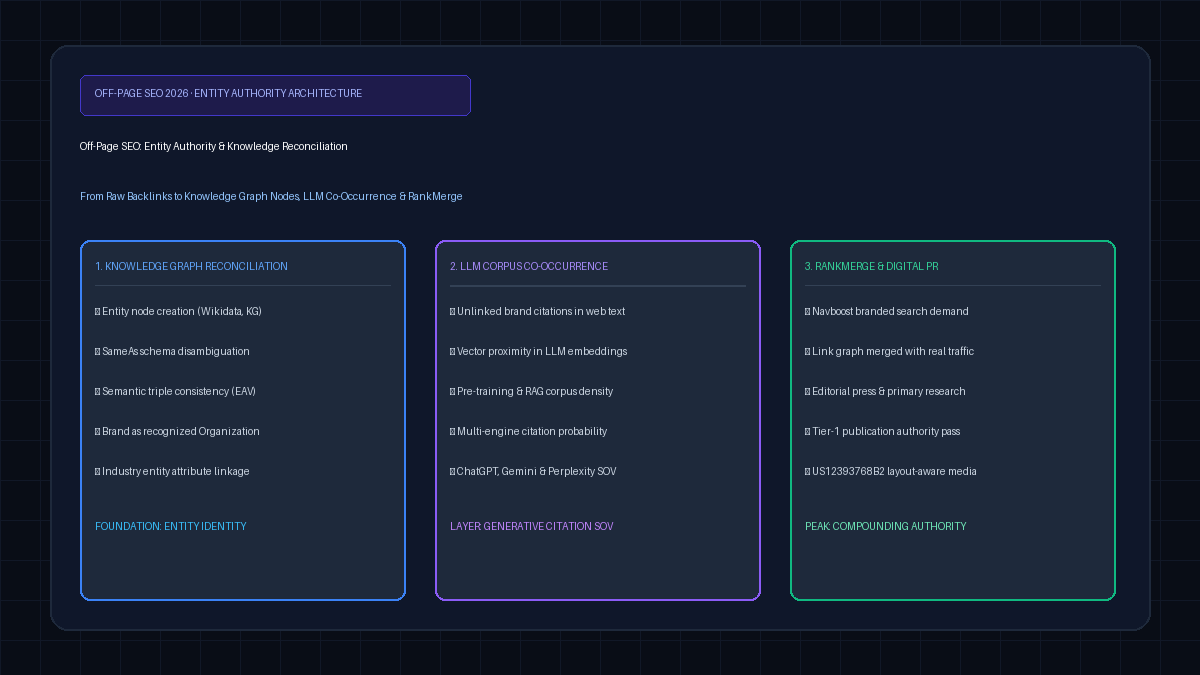
AI systems evaluate both authority types through entity recognition, knowledge graphs, and behavioral signals. The Google Knowledge Graph acts as a central system that connects brands, topics, and relationships, which defines how entities are understood and ranked. AI models prioritize brands with consistent mentions, strong entity signals, and clear topic coverage, which increases citation likelihood inside generated answers.
Brand mentions show a stronger correlation with AI visibility than backlinks, with studies reporting a 0.664 correlation for mentions compared to 0.218 for links. AI Overviews increase organic clicks by 35% and paid clicks by 91% when a brand appears as a cited source. These signals confirm that recognition and trust now influence visibility more than traditional ranking factors alone.
Topical authority enables smaller or newer sites to compete against larger brands through focused expertise and structured content. A site with no backlinks but strong topic coverage still achieves citations in AI-generated answers, which demonstrates how semantic depth replaces link dependency in many contexts. This shift explains why content structure, entity clarity, and comprehensive coverage define modern SEO strategy.
Brand authority and topical authority work together to reinforce E-E-A-T signals across search and AI systems. Strong brand authority increases trust and recognition, while strong topical authority proves expertise and relevance within a subject. This combination improves rankings, increases citation probability, and strengthens visibility across traditional search results and AI-generated answers.
Modern SEO strategy requires balancing brand authority and topical authority to align with AI-driven search environments. Brand authority builds trust across the entire entity, while topical authority builds dominance within specific subjects. This alignment defines competitive advantage because search systems now select sources based on clarity, trust, and depth rather than links alone.
What Is Brand Authority?
Brand authority is a measure of total brand strength that reflects trust, credibility, and expertise within a defined market. Brand authority is a measure of perceived expertise that signals reliability and consistent performance across audience interactions. Brand authority operates through recognition, trust signals, and consistent value delivery, which separates authoritative brands from low-trust competitors.
How did brand authority emerge as a measurable concept? Brand authority emerged through the need to quantify trust and credibility inside search and marketing systems. Moz introduced Brand Authority as a non-linear score from 1 to 100 to evaluate brand strength. Research conducted by Dr. Pete Meyers and Russ Jones demonstrated that authority signals increase click-through rates from 45% to 80% for top-ranked results with sitelinks.
What makes brand authority different from other brand metrics? Brand authority differs from brand awareness and brand loyalty through its focus on trust, credibility, and expertise. Brand awareness measures recognition, while brand authority measures perceived expertise and reliability. Brand loyalty reflects repeated behavior, while brand authority reflects the trust that drives that behavior, which establishes authority as a deeper evaluation layer.
What defines strong brand authority? Brand authority is defined through 3 core conditions that determine whether a brand is trusted and recognized consistently. Brand authority requires demonstrated expertise, sustained presence, and consistent reliability across interactions and channels. These conditions define how authority forms over time, which allows both search systems and audiences to evaluate trust without ambiguity.
What impact does brand authority have on search and business outcomes? Brand authority influences search visibility, customer behavior, and market positioning across digital environments. Search engines reward authoritative brands with enhanced results, expanded listings, and stronger ranking stability. Customers rely on authoritative brands for decisions, which increases conversions and loyalty, while markets position these brands as leaders that shape industry direction.
How does brand authority function within digital ecosystems? Brand authority functions through dependencies, outcomes, and competitive relationships across digital systems. Brand authority depends on consistent quality, strong content signals, and positive interactions across touchpoints. Brand authority enables increased search visibility, stronger trust, and improved performance, while competing with low-credibility brands that lack depth in expertise and reliability.
Why does brand authority matter for long-term growth? Brand authority matters because trust-driven visibility influences both search rankings and audience decisions across channels. Brand authority strengthens reputation, increases organic traffic, and builds loyal audience communities over time. Search systems prioritize entity understanding and trust signals, which increases the importance of brand authority in evolving search environments.
Why Does Brand Authority Matter for SEO and AI Search Visibility?
Brand authority matters for SEO and AI search visibility because trust signals determine selection, ranking, and citation across modern search systems. Brand authority matters for SEO and AI search visibility because systems evaluate entities, consistency, and credibility across distributed sources. Brand authority operates through trust validation, entity recognition, and structured signals, which define whether a brand appears inside search results and AI-generated answers.
How do AI systems prioritize trusted sources? AI systems prioritize trusted sources through repeated mentions, consistent expertise signals, and stable information across environments. AI models analyze context, brand mentions, and factual consistency across multiple sources to determine trust levels. Trust increases when signals align across independent domains, which leads AI systems to select those brands more frequently in generated answers.
What makes authority directly correlate with visibility in AI answers? Authority directly correlates with visibility because AI systems select sources that demonstrate consistent trust, credibility, and expertise. Brand authority signals extend beyond rankings and keywords into entity-level evaluation across systems. Visibility shifts from ranking positions to recommendation presence, which means authoritative brands appear more frequently inside AI-generated answers.
How do AI models evaluate brands as entities? AI models evaluate brands as entities by identifying them as distinct, verifiable concepts connected through structured and unstructured signals. Systems (Google Knowledge Graph) define entity relationships and attributes across sources. Platforms (Wikipedia) reinforce entity validation through consistent references, which increases confidence across AI systems.
Why does consistent organic visibility signal reliability? Consistent organic visibility signals reliability because repeated presence reinforces recognition and perceived stability across search environments. High visibility across search results influences perception before interaction, which establishes early trust signals. Search features (knowledge panels, featured snippets, and sitelinks) act as external validation, which strengthens credibility and authority perception.
How is brand authority essential for callability in agentic ecosystems? Brand authority is essential for callability because AI agents select entities that expose clear, structured, and executable actions. Schema actions (BuyAction, ReserveAction, and ContactPoint) define operational capabilities that agents interpret directly. Missing or inconsistent structured data reduces confidence, which leads agents to bypass the brand in favor of entities with clearer and more reliable signals.
What Is Topical Authority?
Topical authority is a measure of subject-level expertise that reflects how deeply a website covers a specific topic. Topical authority is a measure of content credibility that signals consistent knowledge and structured coverage across related subtopics. Topical authority operates through depth, consistency, and semantic relevance, which distinguishes authoritative sites from shallow or fragmented content sources.
How did topical authority become important in search systems? Topical authority became important through algorithm updates that shifted search evaluation from keywords to meaning and context. Google Hummingbird introduced semantic search in 2013, which prioritized query intent over keyword matching. Updates (Google RankBrain and Google BERT) reinforced this shift by evaluating how well a topic is covered instead of keyword repetition.
How do search engines and AI systems interpret topical authority? Search engines and AI systems interpret topical authority through content relationships, entity coverage, and contextual completeness across documents. Systems evaluate how thoroughly a topic and its subtopics are connected through structured content. Strong topical authority emerges when content answers multiple related queries consistently, which signals expertise and increases trust across search environments.
What conditions define strong topical authority? Topical authority is defined through structural and content conditions that determine whether a topic is covered completely and consistently. Topical authority requires deep content coverage, interconnected content structure, aligned search intent, external validation, and continuous content updates. These conditions define how search systems evaluate subject expertise, which allows content to rank and be selected across multiple related queries.
How does topical authority impact search and business outcomes? Topical authority impacts search performance, organic traffic, and brand perception across digital environments. Search systems rank authoritative sites higher because comprehensive coverage signals trust and expertise. Traffic increases because multiple related queries drive visibility, while strong positioning reinforces brand perception as a subject expert.
How does topical authority function within SEO and AI ecosystems? Topical authority functions through relationships that connect content, trust signals, and system evaluation across search environments. Topical authority strengthens E-E-A-T signals by demonstrating consistent expertise and accuracy across content networks. Topical authority enables natural link acquisition and improves visibility in AI-generated answers, which increases relevance across both traditional search and AI search systems.
Why does topical authority matter for long-term growth? Topical authority matters because consistent topic coverage builds compounding visibility and trust over time. Topical authority increases organic traffic, strengthens conversions, and establishes long-term credibility within a defined subject area. Search systems prioritize structured and comprehensive knowledge, which increases the importance of topical authority in evolving AI-driven search environments.
Why Does Topical Authority Matter for Ranking and Content Coverage?
Topical authority matters for ranking and content coverage because subject-level expertise determines visibility across search systems and AI-generated results. Topical authority matters for ranking and content coverage because systems evaluate depth, consistency, and completeness across related queries. Topical authority operates through comprehensive coverage and structured relationships, which define whether content ranks, scales, and appears across search environments.
How does topical authority enhance ranking and visibility? Topical authority enhances ranking and visibility by expanding coverage across many related queries beyond primary keyword targets. Content ranks for additional queries because systems recognize strong semantic connections across pages and topics. Visibility increases across features (People Also Ask and featured snippets), which strengthens overall presence and stability in search results.
Why does topical authority shift competition to recognized expertise? Topical authority shifts competition to recognized expertise because search systems evaluate meaning and context instead of isolated keywords. Models (Google BERT and Google MUM) analyze intent and topic relationships across content. Competition focuses on depth and completeness, which rewards sites that demonstrate consistent expertise across an entire subject area.
What makes building Google trust significant for ranking stability? Building Google trust is significant because consistent and complete answers create long-term authority across topics and queries. Search systems prioritize sites that answer multiple angles of a subject with accuracy and clarity. This consistency creates structural authority, which increases ranking stability and reduces volatility across algorithm updates.
How does topical authority earn E-E-A-T recognition? Topical authority earns E-E-A-T recognition by demonstrating expertise, authority, and trust through comprehensive and accurate content coverage. E-E-A-T signals increase when content connects facts, sources, and explanations consistently across pages. This alignment establishes credibility, which increases the probability of higher rankings and broader visibility.
Why does topical authority boost visibility in AI-generated results? Topical authority boosts visibility in AI-generated results because AI systems select sources that explain topics clearly, consistently, and completely. Content with strong topical coverage appears more frequently in AI Overviews, summaries, and citations across platforms. This visibility expands beyond traditional rankings into answer-based exposure across generative search environments.
How can new or smaller sites outrank larger competitors through topical authority? New or smaller sites outrank larger competitors through topical authority because depth of coverage outweighs general domain strength in focused niches. Search systems prioritize complete topic coverage over broad authority in specific contexts. Strong topical authority allows focused sites to rank higher for niche queries, which creates a competitive advantage even without extensive backlinks.
Brand Authority vs. Topical Authority: What Is the Difference?
The difference between brand authority and topical authority lies in scope versus specialization, reputation versus expertise, and global trust versus subject-level trust. Brand authority defines how a brand is recognized, trusted, and validated across the entire web. Topical authority defines how deeply a website covers and explains a specific subject. This distinction matters because brand authority drives global trust signals, while topical authority drives subject-level visibility and expertise recognition across search and AI systems.
The core differences between brand authority and topical authority are below.
| Aspect | Brand Authority | Topical Authority |
|---|---|---|
| Definition | Global reputation is measured through recognition, trust, and overall brand strength. | Subject-level expertise is measured through depth, coverage, and content relationships. |
| AI evaluation | AI systems use brand authority as a trust shortcut based on reputation signals. | AI systems evaluate content ecosystems for consistent expertise across connected topics. |
| Primary objective | Establish trust and recognition across markets and audiences. | Demonstrate deep expertise within a defined subject or niche. |
| Scope | Broad coverage across industries, products, and brand presence. | Narrow focus on a specific topic or related cluster of topics. |
| Core function | Signals credibility, legitimacy, and recognition across platforms. | Signals knowledge depth, completeness, and semantic relevance. |
| Impact on search | Increases visibility for branded queries and expands SERP features (sitelinks). | Increases rankings across related queries and expands keyword coverage. |
| Measurement | Measured through branded searches, mentions, and recognition across platforms. | Measured through organic traffic quality, engagement, and topic coverage depth. |
| Competitive advantage | Requires long-term investment and competes with large, established brands. | Enables smaller sites to outrank larger competitors in focused niches. |
What defines the scope difference between brand authority and topical authority? Brand authority operates across the entire web presence of a company, while topical authority operates within a specific subject area. This difference explains why brand authority builds global trust, while topical authority builds focused expertise.
What defines the AI evaluation difference between brand authority and topical authority? Brand authority influences AI systems through recognition and reputation signals, while topical authority influences AI systems through structured and consistent topic coverage. Systems evaluate brand authority quickly as a trust shortcut, while topical authority requires deeper analysis of content relationships and completeness.
What defines the search performance difference between brand authority and topical authority? Brand authority increases performance for branded queries and enhances SERP features, while topical authority increases performance across non-branded and long-tail queries. This difference shows that brand authority expands recognition, while topical authority expands coverage and ranking depth.
What defines the strategy difference between brand authority and topical authority? Brand authority requires investment in recognition, partnerships, and reputation signals across platforms. Mentions in Forbes and The Wall Street Journal strengthen credibility. Topical authority requires structured content clusters, deep coverage, and consistent semantic alignment across pages. This difference separates reputation-building strategy from content-depth strategy.
What defines the performance and cost difference between brand authority and topical authority? Brand authority requires long-term investment in media, partnerships, and reputation building, which increases cost and delays direct ROI. Topical authority requires investment in content creation and optimization, which produces faster and more measurable outcomes in specific niches. This difference shows that brand authority builds long-term trust, while topical authority drives faster performance gains.
What defines the decision criteria between brand authority and topical authority? Brand authority fits strategies focused on global recognition, broad markets, and long-term reputation building across industries. Topical authority fits strategies focused on niche dominance, targeted traffic, and subject-level expertise within defined markets. Combining both strategies maximizes E-E-A-T signals, which increases visibility, trust, and citation probability across search and AI-generated systems.
Brand authority and topical authority work best as a combined system inside modern search environments. Brand authority defines how a brand earns recognition and trust across the web. Topical authority defines how a brand demonstrates expertise and depth within specific subjects, which creates stronger visibility across both traditional search and AI-driven search systems.
Why Do Search Engines Treat Brand Authority and Topical Authority Differently?
Search engines treat brand authority and topical authority differently because evaluation prioritizes reputation, expertise, trust signals, selection criteria, and resistance to manipulation. Search engines evaluate brand authority as a global trust signal and topical authority as a subject-level expertise signal. This distinction defines how systems choose sources based on credibility and relevance instead of isolated ranking factors.
Search engines prioritize brand authority for trust validation because reputation reduces risk during content selection and citation decisions. AI systems select well-known entities as shortcuts for reliability, which increases citation probability across generated answers. Unlinked brand mentions show nearly 3x stronger correlation with AI visibility than backlinks, which reinforces recognition as a dominant selection factor.
Search engines prioritize topical authority for content understanding because subject-level expertise defines how well a topic is explained and structured. Topical authority emerges through consistent coverage of a niche subject with interconnected and comprehensive content. Platforms (HubSpot) demonstrate this pattern through focused topic coverage, which signals reliability as a knowledge source within a defined domain.
Search engines rely on AI evaluation models that prioritize trust, credibility, and expertise over traditional keyword signals during source selection. AI systems do not rank content alone, but instead select sources that align with consistent and verifiable information. Brands with stable mentions, structured content, and recognized credibility appear more frequently inside AI-generated answers.
Search engines apply selection layers that separate content quality from entity positioning during final source selection. At advanced selection stages, systems compare candidates based on relative entity strength instead of content alone. Strong brand authority increases selection probability, which means the best-positioned entity often outranks better-written but less recognized content.
Search engines treat brand authority as less susceptible to manipulation because it depends on distributed signals across independent sources and platforms. Systems evaluate how often and where a brand appears across forums, reviews, and publications instead of relying on single metrics. This distributed evaluation rewards consistent recognition and trust, which reduces the influence of artificial link-based manipulation.
How Do Brand Authority and Topical Authority Work Together?
Brand authority and topical authority work together by combining global trust signals with subject-level expertise signals across search and AI systems. Brand authority and topical authority work together by aligning reputation, content depth, and entity recognition across distributed environments. This combination defines how AI systems select a brand as both credible and contextually relevant in generated answers.
Brand authority establishes trust at the entity level, which ensures systems recognize the brand as a reliable and verifiable source. Topical authority establishes expertise at the subject level, which ensures systems recognize the brand as a complete and consistent knowledge source. This interaction connects trust with expertise, which increases selection probability across search results and AI-generated responses.
How do brand authority and topical authority create AI visibility? Brand authority and topical authority create AI visibility through combined signals that reinforce credibility and completeness across systems. AI models evaluate trust through brand presence and evaluate expertise through topic coverage. This dual evaluation increases citation frequency, expands visibility across answers, and strengthens positioning as a primary source inside generated responses.
How do entity recognition and content depth connect both authorities? Entity recognition connects brand authority, while content depth connects topical authority across structured and unstructured data sources. Systems (Google Knowledge Graph) validate entities through consistent references and structured attributes. Content depth reinforces those entities through connected pages, which establishes a clear mapping between brand identity and subject expertise.
How do validation signals reinforce both brand authority and topical authority? Validation signals reinforce both authorities through repeated mentions, structured data consistency, and external references across platforms. Mentions across publications, forums, and datasets create a verifiable trail of credibility for the brand. This repetition strengthens entity confidence and confirms subject expertise, which increases visibility across both traditional and AI-driven search environments.
How do E-E-A-T signals integrate brand authority and topical authority? E-E-A-T signals integrate brand authority and topical authority by connecting real-world experience with structured expertise across content. Experience and expertise emerge through deep content coverage, while authoritativeness and trust emerge through recognition and validation. This integration creates a complete evaluation framework that search systems use to select reliable sources.
How does the process of integration progress over time? The integration of brand authority and topical authority progresses through sequential stages that connect identity, content, and validation signals. A brand establishes entity consistency across platforms, then builds deep topical coverage through structured content. External validation reinforces both signals, which leads to increased recognition, citation frequency, and long-term authority across systems.
How do failure conditions disrupt the interaction between brand authority and topical authority? Failure conditions disrupt the interaction when signals become inconsistent, incomplete, or unverified across systems. Inconsistent entity data reduces confidence in brand authority, while shallow or disconnected content reduces topical authority. Lack of external validation weakens both signals, which decreases visibility and reduces selection probability inside AI-generated answers.
Brand authority and topical authority function as a unified system inside modern search environments. Brand authority defines how a brand earns trust and recognition across the web. Topical authority defines how a brand demonstrates expertise and depth within specific subjects, which creates stronger visibility, higher rankings, and increased citations across both search engines and AI systems.
How Do AI Systems Interpret Brand Authority vs. Topical Authority?
AI systems interpret brand authority and topical authority differently because evaluation separates entity trust, content expertise, citation behavior, and synthesis roles across generated answers. AI systems interpret brand authority as a global trust signal and topical authority as a contextual expertise signal. This distinction defines how systems choose sources for citation versus content for synthesis inside AI-generated responses.
AI systems prioritize brand authority for citation because trusted entities reduce risk during answer generation and recommendation decisions. Models treat recognized brands as known entities, which increases confidence in attribution and reduces uncertainty. Consistent brand mentions across platforms strengthen this confidence, which leads to higher citation frequency even without top-ranking positions.
AI systems prioritize topical authority for synthesis because deep and consistent topic coverage improves understanding and response construction. Systems evaluate how thoroughly a subject is explained across connected content and related subtopics. Strong topical authority increases the probability that content is selected as a reference, which allows models to build complete and accurate answers.
AI systems separate citation from synthesis because brand authority influences trust decisions while topical authority influences knowledge construction. Models cite entities they trust and synthesize information they understand deeply across multiple sources. This separation explains why authoritative brands receive direct mentions, while well-structured content provides the informational foundation for generated responses.
AI systems validate brand authority through external signals because reputation depends on recognition across independent platforms and datasets. Mentions across reviews, forums, and publications reinforce entity confidence and credibility. This distributed validation increases trust, which strengthens the selection probability for citations inside AI-generated answers.
AI systems validate topical authority through internal signals because expertise depends on structured content relationships and semantic consistency. Content that connects ideas across multiple pages strengthens contextual understanding and topic completeness. This internal validation increases selection probability for synthesis, which improves how models construct detailed and accurate responses.
AI systems assign different visibility outcomes because brand authority drives presence while topical authority drives contribution inside generated answers. Brand authority increases direct mentions and recommendations, while topical authority increases inclusion within explanations and supporting context. This difference defines how visibility expands across both citation and content integration layers.
AI systems combine both signals because trust and expertise need to align for consistent selection and recommendation across environments. Brand authority ensures credibility at the entity level, while topical authority ensures depth at the subject level. This combination creates a complete evaluation framework that determines how content is selected, cited, and reused across AI-driven search systems.
Does Brand Authority or Topical Authority Have More Impact on Rankings?
Brand authority and topical authority both impact rankings because AI systems evaluate trust, credibility, and expertise across selection and ranking processes. Brand authority and topical authority both impact rankings because systems combine entity trust with subject-level expertise to determine visibility. This relationship defines how content ranks, gets selected, and appears inside AI-generated answers and search results.
AI systems prioritize brand authority more heavily for visibility because trust reduces risk during citation and recommendation decisions. Recognized brands act as trust shortcuts, which increases confidence during answer generation. AI systems frequently select well-known entities because strong recognition reduces uncertainty and improves attribution reliability. This behavior shifts visibility from ranking position toward entity trust inside modern search environments.
AI systems rely on topical authority for ranking depth because subject-level expertise determines how well content matches query intent. Search engines reward comprehensive topic coverage, which allows content to rank across multiple related queries. Strong topical authority increases ranking stability and expands visibility across long-tail and high-intent searches. This effect is especially strong in narrow niches where depth outweighs general authority.
AI systems combine both authorities because trust and expertise need to align for consistent performance across rankings and citations. Brand authority increases selection probability for citation, while topical authority increases selection probability for content inclusion. This interaction explains why brands with both signals appear more frequently across AI-generated answers and traditional search results.
AI systems show that topical authority outperforms weak authority signals in early stages because deep content coverage compensates for limited reputation. New sites with a strong topical focus achieve visibility faster in niche environments through consistent and structured content. This early advantage demonstrates that topical authority drives initial traction, which builds toward broader authority over time.
AI systems reinforce that brand authority dominates long-term visibility because reputation compounds across platforms and signals. Brand authority strengthens citation frequency, improves recognition, and stabilizes presence across search environments. This compounding effect makes brand authority a primary driver of sustained visibility inside AI-driven search systems.
Brand authority and topical authority function as a combined system where neither signal alone delivers consistent results across modern search environments. Brand authority defines trust and recognition at the entity level. Topical authority defines expertise and depth at the subject level, which together determine ranking performance, citation frequency, and long-term visibility.
Is It True or False That Authority Directly Impacts Ranking Strength?
Yes, brand authority and topical authority both impact rankings because AI systems evaluate trust, credibility, and expertise during selection and ranking decisions. AI systems prioritize combined signals instead of isolated factors, which means visibility depends on both entity recognition and subject-level expertise across environments.
Brand authority has more impact on visibility because AI systems prioritize trusted entities during citation and recommendation processes. AI systems reduce risk by selecting recognized brands, which increases confidence in generated answers. Well-known entities are frequently cited because strong recognition acts as a trust shortcut across AI systems.
Topical authority has more impact on ranking depth because search systems reward content that demonstrates comprehensive coverage of a subject. Content with strong topical authority ranks across multiple related queries, which increases visibility beyond a single keyword. This depth allows new or focused sites to outperform weak backlink profiles in narrow niches through consistent and structured content.
Topical authority impacts early performance more strongly because deep content coverage creates visibility without requiring strong brand recognition. A site with no backlinks but strong niche coverage still achieves citations and rankings inside AI systems. This pattern shows that topical authority drives initial traction, which builds toward broader authority over time.
Brand authority impacts long-term visibility more strongly because reputation compounds across mentions, platforms, and recognition signals. AI systems increase citation frequency for brands with a consistent presence across sources. This compounding effect stabilizes rankings and strengthens visibility across both search results and AI-generated answers.
Brand authority and topical authority both impact rankings but serve different roles across modern search environments. Brand authority drives trust, citation, and recommendation decisions, while topical authority drives ranking, content selection, and coverage expansion. AI systems prioritize brands that combine both signals, which explains why neither authority alone delivers consistent visibility across search and AI systems.
How Is Brand Authority Built?
Brand authority is built by increasing trust, visibility, and recognition through consistent quality, structured presence, and external validation. Brand authority matters because search engines and AI systems prioritize trusted entities with strong reputation signals and consistent audience engagement. Strong brand authority improves click-through rates, increases loyalty, expands visibility across search features, and strengthens long-term positioning across competitive markets.
Brand authority is built because consistent quality, visibility, and credibility reinforce how audiences and systems evaluate trust. This increases preference because audiences choose brands they recognize and trust over unknown competitors. Organizations need to deliver consistent quality across products, services, and communication to strengthen their reputation over time.
Brand authority is built because measurable signals validate reputation and performance across search systems. This increases visibility because metrics (traffic, backlinks, and reviews) reflect real-world trust and engagement. Organizations need to audit traffic, domain strength, reviews, and referrals to understand current authority levels and identify gaps.
Brand authority is built because search engines reward trusted brands with enhanced visibility features and higher placement. This improves performance because strong brands receive sitelinks, Knowledge Graph presence, and higher click-through rates. Data shows CTR increases from about 45% to 80% for top results when sitelinks appear.
Brand authority is built because structured strategies combine content, visibility, and promotion into a unified system. This increases authority because consistent execution reinforces expertise across multiple channels. Organizations need to focus on content strategy, SEO visibility, paid promotion, public relations, and customer retention as core growth drivers.
Brand authority is built because consistent quality generates positive signals (reviews, mentions, and backlinks). This strengthens trust because repeated positive interactions confirm reliability and expertise. Organizations need to improve products, analyze feedback, and maintain high standards across all customer touchpoints.
Brand authority is built because website visibility strengthens discoverability and reinforces credibility across search environments. This increases exposure because optimized websites rank higher and attract relevant audiences. Organizations need to target 20 to 30 keywords, improve UX, and optimize technical performance before scaling off-page strategies.
Brand authority is built because thought leadership content demonstrates expertise and provides unique value to the audience. This increases influence because original insights and consistent publishing position the brand as a knowledge source. Organizations need to publish high-quality content across blogs, social platforms, and email channels with a clear content calendar.
Brand authority is built because paid promotion expands reach and accelerates visibility across target audiences. This increases awareness because ads place the brand directly in front of relevant users instead of waiting for discovery. Organizations need to test channels, refine targeting, and optimize campaigns based on performance data.
Brand authority is built because public relations creates external validation through media exposure and industry recognition. This strengthens credibility because third-party mentions confirm expertise and reputation. Organizations need to secure placements across media, podcasts, events, and publications to expand recognition.
Brand authority is built because customer retention reinforces loyalty and generates repeat engagement signals. This increases trust because returning customers confirm satisfaction and reliability. Organizations need to use surveys, newsletters, incentives, and testimonials to maintain strong relationships and visibility.
Brand authority is built because link building strengthens credibility through connections with authoritative external sources. This improves authority because backlinks act as trust signals across search systems. Organizations need to earn links from relevant websites and maintain consistent outreach as authority grows.
Brand authority is built because 4 core pillars define how authority is perceived across systems and audiences. These pillars are clarity, depth, proof, and corroboration. Organizations need to define identity clearly, cover topics deeply, demonstrate real experience, and earn validation from credible sources.
Brand authority is built because consistent identity and structured presence reinforce recognition across platforms. This improves trust because a unified brand reduces confusion and increases memorability. Organizations need to maintain consistent naming, structured data, and complete profiles across all channels.
Brand authority is built because authorship and expertise signals strengthen credibility at the individual and organizational level. This increases authority because visible expertise validates knowledge and experience. Organizations need to build author pages, publish consistently, and showcase credentials and real-world results.
Brand authority is built because recognition grows through content distribution, collaboration, and real-world engagement. This expands reach because exposure across multiple channels increases awareness and trust. Organizations need to publish shareable content, collaborate with experts, and participate in events and industry discussions.
Brand authority is built because topic authority strengthens relevance within specific subject areas. This improves positioning because focused expertise increases visibility across related queries. Organizations need to build content clusters with one main piece and 3 to 6 supporting articles connected through internal links.
Brand authority is built because audience understanding improves communication and alignment with user expectations. This increases engagement because relevant messaging resonates with audience needs and preferences. Organizations need to research audience behavior, pain points, and preferences to guide strategy.
Brand authority is built because platform selection and relevance determine where visibility and engagement occur. This improves efficiency because targeted platforms concentrate effort where the audience is active. Organizations need to prioritize high-impact channels and maintain a consistent presence across them.
Brand authority is built because E-E-A-T principles reinforce experience, expertise, authority, and trust signals across content and interactions. This increases credibility because structured proof and consistent quality validate expertise. Organizations need to invest in professional content, thought leadership, and public visibility.
Brand authority is built because diversification across channels strengthens resilience and expands reach. This reduces dependency because the authority does not rely on a single platform. Organizations need to combine a website, social media, and external platforms for broader coverage.
Brand authority is built because measurement and iteration refine strategy based on real performance data. This improves outcomes because continuous optimization strengthens authority signals over time. Organizations need to track branded search growth, backlinks, mentions, and engagement metrics regularly.
Brand authority is built because structured execution over time compounds results and reinforces recognition. This creates momentum because consistent actions strengthen authority signals across all systems. Organizations need to follow structured plans (90-day authority sprint) to build foundations, expand content, and drive distribution.
What Signals Strengthen Brand Authority?
The signals that strengthen brand authority are media mentions, backlinks, branded demand, content expertise, and author identity signals. These signals matter because brand authority depends on measurable trust, recognition, and validation across systems. These signals shape how search engines and AI systems evaluate brands as entities with credibility, expertise, and consistent visibility. Strong signals increase citation probability, improve rankings, and strengthen presence across AI-generated answers and search features.
The 5 main signals that strengthen brand authority are listed below.
- Media Coverage and Brand Mentions.
- High-Quality Backlinks.
- Branded Search Demand and Click Behavior.
- Thought Leadership Content.
- Author Expertise and Identity Signals.
1. Media Coverage and Brand Mentions. Media coverage and brand mentions strengthen brand authority because third-party sources confirm recognition and credibility. This validation increases trust because independent platforms reference the brand without direct control. Search engines and AI systems rely on mentions across reputable sources to evaluate real-world relevance and authority.
2. High-Quality Backlinks. High-quality backlinks strengthen brand authority because links from authoritative domains act as strong trust signals. These links increase credibility because they connect the brand to established sources within the same industry. Strong backlink profiles improve how systems interpret reliability and domain strength.
3. Branded Search Demand and Click Behavior. Branded search demand and click behavior strengthen brand authority because user actions reflect recognition and preference. Branded searches indicate awareness, while high click-through rates confirm selection over competitors. These signals increase authority because search systems interpret repeated selection as proof of trust and relevance.
4. Thought Leadership Content. Thought leadership content strengthens brand authority because original insights demonstrate expertise and depth. This content increases influence because it positions the brand as a knowledge source within its field. High-quality, well-structured content improves citation probability across AI-generated answers.
5. Author Expertise and Identity Signals. Author expertise and identity signals strengthen brand authority because clear authorship validates knowledge and experience. This signal increases trust because identifiable experts reinforce credibility behind content. Structured author profiles, credentials, and consistent publishing improve evaluation across search engines and AI systems.
Branded search volume strengthens authority because direct searches indicate strong recognition and demand. Click-through rates strengthen authority because a higher selection frequency confirms preference over competitors. Brand demand trends strengthen authority because growth in branded searches signals increasing awareness and interest over time. Dominant interpretation in search strengthens authority because search engines prioritize known brands for ambiguous queries. Multi-platform presence strengthens authority because visibility across platforms expands recognition and engagement across user journeys.
These signals matter because over 80% of users require trust before purchase, and brands with strong authority signals are up to 3x more likely to appear in AI-generated answers and featured results.
These signals matter most because brand authority depends on measurable trust, measurable recognition, and measurable engagement. Search engines and AI systems evaluate brands as entities with history, validation, and consistent performance signals across multiple environments, not only through isolated website metrics.
How Do Mentions and Citations Influence Brand Authority?
Mentions and citations influence brand authority by signaling recognition, validating credibility, and reinforcing entity identity across AI systems. Mentions and citations matter because AI systems rely on repeated exposure and verified references to evaluate trust. Mentions build awareness and context, while citations confirm source reliability. This combination shapes how brands appear in AI-generated answers, featured summaries, and zero-click environments.
Mentions influence brand authority by establishing entity recognition across digital environments. Mentions signal relevance because repeated appearances connect the brand with specific topics and queries. AI systems interpret frequency and context to understand what the brand represents, which increases visibility in generated answers.
Mentions influence brand authority by reinforcing trust through consistent presence on authoritative platforms. Mentions validate credibility because third-party sources reference the brand in real conversations. AI systems prioritize brands that appear across trusted websites, which strengthens perceived reliability and industry participation.
Mentions influence brand authority by strengthening entity identity through co-occurrence with core topics. Mentions connect the brand with specific concepts because repeated associations define topical scope. AI systems use these associations to build a structured understanding, which improves relevance and selection during answer generation.
Mentions influence brand authority by increasing zero-click visibility inside AI Overviews and summaries. Mentions maintain exposure because AI systems surface known brands even without direct links. This visibility strengthens recall and familiarity, which increases the likelihood of future selection and engagement.
Citations influence brand authority by validating information through verifiable source attribution. Citations confirm credibility because links point to original data, research, or authoritative pages. AI systems rely on citations to verify claims, which strengthens confidence in content accuracy and factual reliability.
Citations influence brand authority by reinforcing structural credibility through consistent linking patterns. Citations connect content to trusted domains because backlinks act as reference signals across the web. This structure improves how search engines and AI systems interpret domain strength and content legitimacy.
Mentions and citations influence brand authority by operating together as recognition and validation signals. Mentions create awareness, while citations confirm authority through verifiable proof. AI systems evaluate both signals simultaneously, which makes consistent mentions and credible citations essential for sustained authority growth.
What Are the Core Signals That Define Authority in Modern Search?
8 main signals define authority in modern search. The 8 main signals are entity recognition and system trust, third-party validation and mentions, content quality and authorship signals, search behavior and brand demand, structured data and entity clarity, internal structure and topical coverage, domain history and consistency, and cross-platform presence and alignment. These signals define how search engines and AI systems evaluate credibility, relevance, and selection for rankings, summaries, and citations.
Authority signals are organized into these areas based on how systems interpret entities, validate trust, and measure user interaction. Each signal determines whether a brand becomes visible, cited, and preferred inside modern search environments.
The 8 main signals that define authority in modern search are listed below.
- Entity recognition and system trust. Entity recognition defines how search systems identify a brand as a known entity. Systems prioritize recognized entities because history and reputation indicate reliability. Systems (Google Knowledge Graph and Google Quality Rater Guidelines) connect entities with credibility signals, which establish authority as a foundational filter.
- Third-party validation and mentions. Third-party validation measures how external sources reference a brand. Mentions across authoritative websites strengthen authority because independent validation confirms credibility. Consistent mentions across media, experts, and industry platforms increase trust and improve AI citation likelihood.
- Content quality and authorship signals. Content quality signals define expertise through consistent topic coverage and clear authorship. High-quality content increases authority because structured, accurate information improves extraction and reuse. Authorship transparency and editorial standards strengthen trust during ranking and citation evaluation.
- Search behavior and brand demand. Search behavior signals reflect how users interact with a brand across search environments. Branded searches, navigational queries, and click patterns indicate recognition and trust. Strong brand demand increases authority because repeated user preference reinforces credibility signals.
- Structured data and entity clarity. Structured data defines how clearly a brand and its content are understood by machines. Schema markup clarifies entities, attributes, and relationships. Clear structure reduces ambiguity, which improves retrieval accuracy and increases the likelihood of citation in AI-generated answers.
- Internal structure and topical coverage. Internal structure defines how content connects across a website. Strong internal linking and consistent topical coverage reinforce authority because they demonstrate depth and organization. Clear architecture improves discoverability and strengthens semantic understanding across topics.
- Domain history and consistency. Domain history reflects long-term behavior, stability, and trust signals associated with a brand. Consistent publishing, stable identity, and historical credibility increase authority because systems evaluate patterns over time. Strong history improves confidence in ranking and citation decisions.
- Cross-platform presence and alignment. Cross-platform presence defines how consistently a brand appears across multiple channels and systems. Alignment across websites, social platforms, and data sources strengthens authority because consistent signals reinforce entity clarity. Broad presence improves recognition, which increases visibility in search and AI systems.
How to Build Brand Authority?
Businesses build brand authority by increasing recognition, strengthening trust signals, and reinforcing expertise across search systems and AI environments. Brand authority matters because AI systems prioritize trusted entities, consistent mentions, and validated reputation instead of isolated ranking signals.
Strong brand authority improves citation probability, expands visibility across search and AI answers, and increases influence across industries. This process requires coordinated efforts across content, reputation, and engagement to establish a consistent and verifiable entity presence.
The 7 main methods for building brand authority are listed below.
- Increase Brand Mentions Across Trusted Sources.
- Earn High-Quality Backlinks From Authoritative Domains.
- Build Consistent Brand Presence Across Platforms.
- Strengthen Branded Search Demand.
- Maintain Clear and Consistent Brand Messaging.
- Gain Citations in Authoritative Content.
- Improve User Trust Through Engagement Signals.
1. Increase Brand Mentions Across Trusted Sources
Increasing brand mentions across trusted sources means creating consistent references to a brand across platforms, publications, and communities. Brand mentions act as validation signals because repeated references reinforce recognition and credibility across systems. Research shows brand mentions correlate more strongly with AI visibility than backlinks, with a correlation of 0.664 compared to 0.218. Implementation requires publishing high-value content, participating in industry discussions, securing media placements, and collaborating with influencers and partners. Consistent mentions across forums, review platforms, and editorial sites create a distributed authority footprint that AI systems interpret as trust and relevance. This repetition strengthens entity recognition, increases citation probability, and improves visibility across AI-generated answers and search results.
2. Earn High-Quality Backlinks From Authoritative Domains
Earning high-quality backlinks from authoritative domains means acquiring links from relevant and trusted websites that search systems already recognize. Backlinks strengthen credibility because they signal endorsement and contextual relevance across connected domains. The number one result on Google has an average of 3.8 times more backlinks than lower-ranked positions, which highlights their impact on rankings. Implementation requires publishing original research, creating linkable assets, and building relationships with editors, journalists, and content creators. Strong backlinks increase visibility, improve ranking stability, and reinforce authority signals across both search engines and AI systems. High-quality backlinks combined with relevance and contextual placement create stronger signals than large volumes of low-quality links.
3. Build Consistent Brand Presence Across Platforms
Building a consistent brand presence across platforms means maintaining uniform identity, messaging, and visibility across all digital and offline channels. Consistency strengthens recognition because repeated exposure reinforces memory and trust across audiences and systems. Research shows consistent branding increases revenue by 10% or more, which demonstrates its direct business impact. Implementation requires standardizing logos, color schemes, tone of voice, and messaging across websites, social media, directories, and partner platforms. Consistent presence ensures that search systems and AI models recognize the same entity across all sources, which increases confidence and reduces ambiguity. This alignment improves discoverability, strengthens authority signals, and supports long-term brand recall across multiple touchpoints.
4. Strengthen Branded Search Demand
Strengthening branded search demand means increasing the number of searches that include the brand name directly. Branded search signals intent because users already recognize and actively seek the brand. Branded searches account for 42% of global search demand and deliver higher conversion rates than non-branded queries. Implementation requires content marketing, social media visibility, partnerships, and campaigns that increase awareness and recall. Strong branded demand improves rankings, enhances personalization, and increases click-through rates across search results. Search systems interpret branded queries as strong relevance signals, which reinforces authority and increases visibility across both traditional search and AI-generated answers.
5. Maintain Clear and Consistent Brand Messaging
Maintaining clear and consistent brand messaging means delivering the same voice, values, and positioning across all communication channels. Consistent messaging builds trust because repeated signals reinforce identity and reduce confusion across audiences and systems. Studies show consistent messaging increases revenue by up to 20%, which highlights its strategic importance. Implementation requires creating detailed brand guidelines, defining tone and voice, and auditing all content for alignment. Clear messaging ensures that every interaction reinforces the same perception, which strengthens credibility and recognition. This consistency improves how search systems and AI models interpret the brand, which increases trust signals and supports long-term authority growth.
6. Gain Citations in Authoritative Content
Gaining citations in authoritative content means being referenced by trusted publications, research, and high-credibility platforms. Citations strengthen authority because they provide external validation and increase visibility across knowledge systems. Content that includes statistics, structured information, and original insights achieves higher citation rates, with increases of 22% for statistics and 37% for quotations. Implementation requires publishing original research, contributing expert commentary, and securing placements in industry reports and editorial content. These citations increase discoverability, strengthen credibility, and improve inclusion in AI-generated answers. Authoritative citations connect a brand to trusted sources, which reinforces both brand authority and topical relevance across search environments.
7. Improve User Trust Through Engagement Signals
Improving user trust through engagement signals means generating positive interactions that reinforce credibility across platforms and touchpoints. Engagement signals include reviews, comments, shares, and behavioral data that reflect user satisfaction and trust. Research shows 81% of consumers require trust before making a purchase decision, which highlights the importance of engagement. Implementation requires managing reviews, responding to feedback, and creating valuable content that encourages interaction and participation. Strong engagement signals increase trust, improve conversion rates, and reinforce authority across search engines and AI systems. Consistent positive interactions build a reliable reputation that compounds over time, which strengthens brand authority and increases long-term visibility.
How to Build Topical Authority?
Businesses build topical authority by creating complete subject coverage, strengthening semantic relevance, and reinforcing expertise across connected content. Topical authority matters because search engines and AI systems prioritize depth, accuracy, and structured knowledge instead of isolated keywords.
Strong topical authority improves rankings, increases citation probability, expands visibility across related queries, and strengthens trust across search and AI-generated answers. This process requires focused topic selection, structured content architecture, and continuous refinement across all relevant subject areas.
The 7 main methods for building topical authority are listed below.
- Identify Core Topics and Subtopics.
- Create Pillar Pages and Content Clusters.
- Build Strong Internal Linking Between Pages.
- Maintain Consistent Content Publishing.
- Optimize for Semantic Relevance and Entities.
- Expand Coverage Across Related Queries.
- Update and Refresh Existing Content.
1. Identify Core Topics and Subtopics
Identifying core topics and subtopics means defining the main subject a website wants to own and mapping the related areas that complete that subject. Core topics establish focus because they determine what the website wants search systems and AI systems to associate with its expertise. Strong topic selection prevents dilution, clarifies positioning, and creates a clear subject boundary for future content. Implementation requires choosing a primary topic aligned with business goals, audience needs, and long-term relevance, then expanding that topic into supporting subtopics, related questions, and adjacent concepts. This structure strengthens relevance, improves content planning, and creates the foundation for comprehensive topical coverage.
2. Create Pillar Pages and Content Clusters
Creating pillar pages and content clusters means organizing content around a central page supported by multiple detailed pages that expand each subtopic. Pillar pages strengthen authority because they provide broad coverage of a subject, while cluster pages deepen that authority through focused explanations, examples, and supporting detail. This structure improves discoverability, clarifies relationships between topics, and reinforces subject depth across the site. Implementation requires building a central guide that defines the main topic, then surrounding it with supporting pages that address comparisons, how-to questions, FAQs, objections, and advanced subtopics. This architecture strengthens topical authority by showing search systems that the website covers a topic as a complete knowledge system instead of as isolated pages.
3. Build Strong Internal Linking Between Pages
Building strong internal linking between pages means connecting related content through contextual links that reinforce hierarchy and semantic relationships. Internal links strengthen topical authority because they guide crawlers and readers through the full structure of a topic, showing which pages are central and which provide supporting depth. Strong linking improves crawlability, indexability, distributes authority across connected pages, and clarifies how ideas relate within a content system. Implementation requires linking pillar pages to supporting pages, linking supporting pages back to the pillar, and connecting related articles where the relationship adds value. This structure improves indexing, strengthens semantic signals, and increases the visibility of important pages across the topic cluster.
4. Maintain Consistent Content Publishing
Maintaining consistent content publishing means adding high-quality content regularly to expand and reinforce expertise over time. Consistent publishing strengthens topical authority because search systems interpret ongoing coverage as a signal of active, current, and growing expertise. Regular publishing fills content gaps, increases subject depth, and keeps the website relevant across changing search behavior. Implementation requires creating an editorial calendar, defining realistic publishing frequency, and prioritizing quality over volume. Consistency works best through a planned system of pillar expansion, cluster development, and periodic supporting content that extends the main subject into new areas. This steady growth compounds over time, which strengthens rankings, broadens visibility, and reinforces long-term authority.
5. Optimize for Semantic Relevance and Entities
Optimizing for semantic relevance and entities means structuring content around clearly defined concepts, relationships, and terminology that search systems interpret accurately. Semantic relevance strengthens topical authority because modern search systems evaluate meaning, context, and entity relationships instead of exact keyword repetition. Clear entity usage improves understanding, reduces ambiguity, and increases extractability inside AI-generated answers. Implementation requires using explicit terminology, defining important concepts clearly, structuring headings around related ideas, and maintaining consistent language across pages. This semantic clarity improves how systems interpret expertise, which strengthens both ranking performance and citation potential across search and AI environments.
6. Expand Coverage Across Related Queries
Expanding coverage across related queries means creating content that addresses the full range of questions, intents, and variations connected to a topic. Query coverage strengthens topical authority because complete subject coverage signals depth and usefulness across many search contexts. Websites that answer only one version of a query create fragmented coverage, while websites that address the wider topic create stronger authority signals. Implementation requires researching related questions, long-tail variations, informational searches, commercial comparisons, and adjacent concepts that connect naturally to the core topic. This approach increases ranking opportunities, broadens traffic sources, and improves the probability that AI systems use the content as a complete and reliable source.
7. Update and Refresh Existing Content
Updating and refreshing existing content means improving older pages to maintain accuracy, relevance, and completeness as search behavior and information change. Content refresh strengthens topical authority because outdated or incomplete pages weaken trust and reduce competitiveness across important queries. Search systems reward freshness when freshness improves usefulness, especially on pages that address evolving standards, tools, or market conditions. Implementation requires auditing older content, identifying declining pages, adding new information, improving structure, updating examples, and expanding sections where competitors now provide better coverage. This process protects rankings, recovers lost traffic, and reinforces the website’s position as an active and reliable authority on the topic.
What Are Common Mistakes When Building Brand or Topical Authority?
There are 8 main mistakes when building brand or topical authority. The 8 main mistakes are weak strategic foundations, lack of audience focus, inconsistent branding and content, poor content quality and depth, weak content structure and linking, poor user experience and intent mismatch, neglecting E-E-A-T signals, and poor maintenance and promotion. These mistakes reduce trust, dilute relevance, and limit visibility across search engines and AI systems.
Mistakes are grouped into these areas based on how authority breaks across strategy, content, structure, validation, and long-term consistency. Each mistake weakens how systems evaluate credibility, which reduces ranking strength, extraction potential, and citation likelihood across modern search environments.
The 8 main mistakes when building brand or topical authority are listed below.
- Weak strategic foundations. Weak foundations occur because brands prioritize visuals before defining purpose, positioning, and audience. This mistake creates generic identity because logos, colors, and typography lack strategic meaning. Missing mission, vision, and narrative reduces clarity, which prevents differentiation and emotional connection. Brands that skip foundational strategy create noise instead of recognition, which weakens authority signals across search and AI systems.
- Lack of audience focus. Lack of audience focus happens because brands attempt to target everyone instead of a defined segment. This mistake creates unstable messaging because positioning shifts constantly across campaigns and content. Poor research into audience needs and pain points reduces relevance, which prevents strong authority formation. Broad positioning dilutes expertise signals, which makes it difficult for systems to associate the brand with a clear topic or category.
- Inconsistent branding and content. Inconsistent branding appears because tone, design, messaging, and topics change across platforms and pages. This inconsistency creates confusion because systems cannot map a stable entity identity. Content spread across unrelated topics reduces topical clarity, which prevents recognition of expertise. Inconsistent visuals, voice, and narrative weaken trust, which reduces authority signals and lowers visibility across search and AI-generated answers.
- Poor content quality and depth. Poor content quality appears because the content lacks depth, originality, actionable insight, and real-world examples. Thin articles, short posts, and generic AI-generated content weaken authority because they provide limited informational value. A quantity-over-quality mindset dilutes topical strength, which prevents content from ranking competitively. Shallow content reduces extractability, which limits reuse inside AI-generated answers and reduces citation probability.
- Weak content structure and linking. Weak structure happens because the content lacks clusters, pillar pages, and a defined internal linking strategy. Disorganized pages compete with each other because no clear hierarchy exists. Missing topical maps and poor anchor text reduce discoverability, which weakens semantic relationships between pages. Lack of structured URLs and poor content grouping prevent authority consolidation, which spreads signals thin across multiple pages instead of reinforcing a central topic.
- Poor user experience and intent mismatch. Poor user experience occurs because pages load slowly, lack readability, or fail mobile optimization. An intent mismatch happens because content answers a different query than the user expects. Poor navigation, long, unreadable paragraphs, and a lack of structure reduce engagement. Low engagement signals indicate dissatisfaction, which reduces authority because systems detect that content does not meet user expectations or solve the intended problem.
- Neglecting E-E-A-T signals. Neglecting E-E-A-T reduces authority because expertise, experience, authoritativeness, and trust remain unproven. Missing author credentials, weak sourcing, and a lack of backlinks reduce credibility signals. Absence of external validation and inconsistent voice weaken trust, which lowers ranking confidence. Overreliance on generic AI content without human expertise reduces perceived authority and limits inclusion in AI-generated citations.
- Poor maintenance and promotion. Poor maintenance appears because content becomes outdated and remains unchanged for long periods. Weak promotion occurs because no backlink, PR, or distribution strategy exists. Ignoring competitor analysis leads to missed gaps and missed opportunities for differentiation. Failure to update content clusters, refresh data, and maintain relevance reduces authority over time, which limits long-term growth in rankings, visibility, and AI citation inclusion.
What Weakens Brand Authority?
Brand authority weakens when content, structure, visibility, trust, and recognition signals fail to align across systems and platforms. This breakdown matters because AI systems and search engines rely on consistent signals to evaluate credibility, which reduces ranking strength, citation likelihood, and overall visibility when signals conflict or remain unclear.
Brand authority weakens because systems evaluate brands as entities with history, consistency, and validation across sources. Weak signals across these areas reduce confidence, which limits inclusion in search results, AI summaries, and citation lists.
Content and communication issues weaken brand authority because fragmented messaging prevents clear expertise recognition. Content volume without a strategy creates noise because topics lack focus and direction. Inconsistent voice across website, social media, and campaigns reduces clarity, which confuses both users and AI systems. Generic content weakens differentiation because it repeats existing ideas without adding expertise, which lowers trust and reduces authority signals.
Strategic and structural issues weaken brand authority because a lack of positioning prevents consistent identity formation. A weak strategy creates confusion because purpose, audience, and differentiation remain undefined. Expanding services and messaging without boundaries dilutes focus, which makes the brand appear broad but not expert. Lack of discipline in positioning reduces clarity, which weakens how systems associate the brand with specific topics.
Visibility and recognition issues weaken brand authority because the absence from decision environments limits exposure and trust. Low branded search demand reduces authority because systems interpret low recognition as low relevance. Over-reliance on ads creates short-term visibility because organic authority signals remain weak. Failure to appear in trusted sources reduces credibility, which limits selection in AI-generated answers and search features.
AI and search performance issues weaken brand authority because systems fail to interpret unclear or generic signals. Generic AI-generated content reduces authority because it lacks a distinct voice and entity clarity. Weak positioning reduces understanding because AI systems cannot define what the brand represents. Failure to adapt to AI-driven search environments reduces visibility, which limits inclusion in summaries, overviews, and zero-click results.
Trust and credibility issues weaken brand authority because missing validation reduces confidence in the brand. Lack of E-E-A-T signals weakens authority because expertise and trust remain unproven. Missing author credentials, weak sourcing, and negative sentiment reduce credibility, which lowers ranking confidence. Unaddressed feedback and low brand loyalty reduce trust, which impacts long-term authority growth.
Measurement and metrics issues weaken brand authority because wrong signals guide wrong decisions. Tracking clicks and impressions instead of recognition and trust creates misleading insights. High activity without authority growth reduces effectiveness because visibility does not translate into credibility. Declining engagement and mentions signal weakening influence, which impacts authority perception across systems.
Local and platform consistency issues weaken brand authority because inconsistent data creates ambiguity. Inconsistent business information across platforms reduces clarity because systems detect conflicting signals. Weak presence on platforms (Google Business Profile) reduces local authority because essential data remains incomplete. Missing reviews, outdated information, and inactive profiles reduce trust, which limits visibility in local and AI-driven results.
Audience engagement issues weaken brand authority because a lack of interaction reduces recognition and trust. Inactive social presence reduces visibility because the brand does not participate in relevant conversations. Lack of backlinks and community engagement weakens authority because external validation remains limited. Poor audience understanding reduces relevance, which prevents strong connections and long-term authority development.
What Weakens Topical Authority?
Topical authority weakens when content strategy, structure, depth, and relevance fail to align across a defined subject area. This breakdown matters because search engines and AI systems evaluate topical authority through semantic coverage, internal relationships, and consistent expertise signals, which reduces ranking strength, extraction accuracy, and citation likelihood when signals remain fragmented or incomplete.
Topical authority weakens because systems interpret content as a connected knowledge network, not isolated pages. Weak connections, shallow coverage, and inconsistent focus reduce clarity, which limits how systems understand expertise and select content for rankings and AI-generated answers.
Content strategy failures weaken topical authority because keyword-first thinking prevents full topic coverage. Treating SEO as a keyword game limits authority because “one keyword, one page” ignores semantic relationships. Writing across unrelated topics dilutes expertise because no dominant subject emerges. Lack of a clear topical focus reduces relevance, which prevents systems from recognizing specialization.
Content depth and quality failures weaken topical authority because shallow coverage limits expertise signals. Thin content reduces authority because it provides surface-level explanations without depth or supporting detail. Overuse of generic AI content removes nuance because examples, data, and real-world insight remain missing. Lack of semantic SEO coverage weakens understanding because related subtopics, questions, and entities remain unaddressed.
Content structure failures weaken topical authority because missing clusters prevent semantic connections. Lack of pillar pages and clusters reduces authority because no central topic anchors the content. Weak internal linking breaks relationships because pages do not reinforce each other. Disconnected posts create gaps, which prevent systems from mapping a complete topical structure.
Content organization failures weaken topical authority because mixed levels and unclear hierarchy reduce clarity. Mixing beginner and advanced content confuses context because no clear progression exists. Missing content silos reduce specialization because topics overlap without boundaries. Poor URL structure and lack of hierarchy weaken signals, which reduces semantic organization and topical focus.
Content maintenance failures weaken topical authority because outdated information reduces relevance. Stale content weakens authority because statistics, tools, and recommendations lose accuracy over time. Inconsistent publishing reduces trust because commitment to the topic appears weak. Lack of regular updates prevents content from staying competitive, which lowers ranking and visibility.
Search intent and semantic alignment failures weaken topical authority because the content does not match the user’s needs. Ignoring search intent reduces authority because the content answers the wrong questions. Lack of entity alignment weakens understanding because related concepts and relationships remain missing. Over-optimization through keyword stuffing reduces readability, which harms engagement and trust signals.
Trust and E-E-A-T failures weaken topical authority because credibility signals remain insufficient. Missing author expertise reduces authority because the content lacks verified experience and credentials. Weak external validation reduces trust because backlinks and citations lack relevance. Lack of transparency and sourcing weakens confidence, which limits inclusion in search results and AI citations.
Technical and structural failures weaken topical authority because systems cannot fully interpret content relationships. Weak internal linking reduces discoverability because pages remain isolated. Content cannibalization splits authority because multiple pages target the same topic without differentiation. Ignoring structured data limits clarity because systems lack explicit signals about entities, relationships, and content meaning.
How Do You Measure Brand Authority and Topical Authority?
Brand authority and topical authority are measured through structured metrics, entity signals, and performance data that reflect trust, expertise, and visibility across search and AI systems. This measurement matters because modern search evaluates brands as entities with reputation, coverage, and recognition, which determines rankings, citations, and inclusion in AI-generated answers.
Brand authority measures overall brand strength through recognition**, trust, and external validation signals.** Topical authority measures depth of expertise within a defined subject through semantic coverage, internal relationships, and content consistency. These definitions explain why measurement requires both brand-level and topic-level evaluation across multiple systems.
Why does measurement matter for brand authority and topical authority? Measurement matters because search engines and AI systems rank and cite content based on trust, clarity, and coverage signals. Clear measurement increases accuracy because strong signals indicate expertise, which improves visibility in search results and AI-generated answers.
How do search engines and AI systems measure authority signals? Search engines and AI systems measure authority by analyzing entity relationships, backlink profiles, brand mentions, and user behavior signals. These systems evaluate consistency, recognition, and engagement patterns, which determine how content ranks, gets cited, and appears in AI summaries.
How does Search Atlas measure brand authority and topical authority? Search Atlas measures authority through a unified system that combines Domain Power (DP), Topical Dominance, LLM Visibility, and semantic content evaluation. This system increases clarity because it evaluates authority across technical SEO, content depth, and AI search visibility in a single platform.
How does Domain Power measure brand authority? Domain Power (DP) measures brand authority by analyzing organic traffic performance, ranking keywords, and search visibility using first-party data sources (Google Search Console). Domain Power increases accuracy because real ranking data reflects how search engines evaluate a site, which strengthens trust signals and indicates how consistently a brand earns visibility across queries. DP focuses on actual performance signals rather than only link-based proxies, which makes it a stronger indicator of how authority translates into rankings and traffic.
How does Topical Dominance measure topical authority? Topical Dominance measures topical authority by analyzing how comprehensively a website covers a subject compared to competitors through AI-driven semantic evaluation. The Topical Dominance tool generates a heat map of topic coverage, identifies content gaps, and evaluates relevance, consistency, and depth across keyword clusters. This measurement increases precision because strong, interconnected coverage signals expertise, which improves rankings and reinforces authority within a defined subject area.
How does the Scholar feature evaluate topical depth and quality? The Scholar feature evaluates topical authority by scoring content based on clarity, information gain, semantic relevance, and E-E-A-T alignment. This evaluation increases quality control because high-scoring content demonstrates expertise, which improves trust, rankings, and AI citation potential.
How does LLM Visibility measure authority in AI search? LLM Visibility measures authority by tracking how often a brand appears in AI-generated answers, summaries, and citation lists across platforms. This visibility increases importance because repeated inclusion signals trust, which strengthens recognition in AI-driven search environments.
How do semantic and content-based methods measure topical authority? Semantic and content-based methods measure topical authority by analyzing topic share, traffic share, and keyword clustering across a domain. These methods increase insight because strong topic ownership reflects expertise, which improves visibility and competitive positioning.
Brand authority and topical authority measurement rely on clarity**, consistency, and coverage across technical, semantic, and behavioral signals.** Strong measurement ensures accurate evaluation, which improves optimization, increases visibility, and strengthens inclusion in AI-generated answers.