SaaS SEO is the practice of acquiring recurring software subscriptions by capturing high-intent organic search demand and earning recommendations across LLM answer engines. Software companies rely on organic acquisition to drive customer acquisition cost (CAC) payback periods below 12 months.
While paid acquisition costs climb across search and social channels, organic search builds compounding equity that scales customer acquisition without proportional ad spend. Search Atlas unifies technical automation, keyword intelligence, and LLM visibility to turn search traffic into measurable Annual Recurring Revenue (ARR).
Key Takeaways
- SaaS SEO targets problem-aware and solution-aware queries rather than vanity volume, aligning search intent directly with product capability.
- Organic acquisition shortens CAC payback periods by generating compounding software pipeline at an 80% gross margin baseline.
- Modern B2B software buyers use answer engines like ChatGPT and Perplexity to generate software shortlists before visiting vendor websites.
- OTTO autonomous SEO resolves technical debt, broken redirect chains, and internal link equity distribution without engineering team backlogs.
- Closed-loop revenue attribution connects ranking improvements and organic sessions directly to free trial starts, demo bookings, and closed-won ARR.
TL;DR
What is SaaS SEO?
SaaS SEO is a specialized search marketing discipline that structures software product pages, technical comparisons, and educational content to rank in traditional search engines and win citations in AI answer engines.
How does SaaS SEO reduce Customer Acquisition Cost (CAC)?
SaaS SEO replaces recurring cost-per-click ad fees with durable organic search positions. As organic pipeline grows, blended CAC drops and payback periods accelerate to under 12 months.
How do LLMs change B2B software discovery?
B2B software buyers prompt conversational AI engines like ChatGPT, Claude, and Perplexity for categorized tool recommendations, making verified AI citations essential for shortlist inclusion.
Calculate Your SaaS SEO ROI, CAC Payback & Churn Impact
Evaluate your software pipeline unit economics with the interactive calculator below. Adjust monthly organic visits, conversion rates, monthly churn, ARPU, and paid acquisition benchmarks to measure your projected CAC payback, LTV:CAC ratio, and annual ad spend savings:
SaaS SEO CAC, acquisition & churn simulator
Model how organic search traffic reduces customer acquisition costs, accelerates payback periods, and mitigates cohort churn.
Target: < 12 mo
Per acquired customer
From search pipeline
Annual recurring revenue
Target: > 3.0x
Vs paid channels
A sustainable SaaS business maintains a CAC payback period under 12 months and an LTV:CAC ratio above 3.0x. When organic acquisition scales, software providers routinely push payback under 6 months, freeing capital for core product development. To model programmatic topic clustering and acquisition payback across your pipeline, review our complete SaaS SEO strategy guide.
How SaaS SEO Differs From Traditional SEO
SaaS SEO differs from traditional SEO because software buyers navigate research-heavy evaluation cycles spanning weeks or months rather than completing single-session impulse purchases. While e-commerce search marketing focuses on transactional product pages and consumer blogs chase raw impressions, SaaS search architecture serves distinct procurement personas with varied technical expertise.

Traditional SEO strategies often fail in the software sector for three distinct reasons:
- Multi-Stakeholder Buying Committees: A B2B software purchase requires consensus across end-users, team leads, IT security architects, and CFOs. Content must address day-to-day workflow problems while providing security, compliance, and integration documentation.
- Product-Led vs. Sales-Led Funnel Alignment: Self-serve SaaS products require frictionless freemium or 7-day trial onboarding paths, whereas enterprise software targets scheduled demonstration calls.
- Negative Churn and Customer Lifetime Value (LTV): An acquired e-commerce customer yields a single checkout. An acquired SaaS subscriber generates recurring monthly or annual subscription fees, making high-intent category terms worth thousands of dollars per ranking position.
The 3 Search Intent Layers of High-Performing SaaS Sites
SaaS search architecture structures content across three distinct intent tiers that match how prospective buyers research solutions:
1. Problem-Aware Searches (Top of Funnel)
Problem-aware searches represent prospects diagnosing a specific workflow bottleneck without knowing an automated software category exists to solve it.
Queries like "how to track keyword rankings" or "automate internal links" capture prospects in active pain. These guides teach best-practice workflows while showing how native platform features execute those tasks in minutes.
2. Solution-Aware and Feature Searches (Middle of Funnel)
Solution-aware queries represent prospects actively shortlisting software categories. These buyers search for "rank tracking tools", "technical seo audit software", or "ai visibility tracker".
Search Atlas structures dedicated feature landing pages for each capability. Every lander combines verified interface previews, product specifications, and instant registration actions.
3. Alternative and Competitor Searches (Bottom of Funnel)
Bottom-of-funnel searches capture prospects ready to purchase or actively migrating away from incumbent tools.
Queries like "ahrefs alternative" or "semrush vs searchatlas" convert at over 4.5% when served with transparent comparison matrices. Rather than hiding pricing or feature limitations, high-converting comparison landers highlight explicit operational differences.
The AI Answer Engine Shift: Winning B2B Shortlists
B2B software buyers increasingly prompt conversational answer engines to synthesize software recommendations rather than manually reviewing dozens of individual search results. When a VP of Marketing asks ChatGPT or Perplexity for the "top autonomous SEO tools for enterprise websites", inclusion on that AI consensus shortlist determines whether your product enters the sales pipeline.
Winning citations across ChatGPT, Perplexity, Claude, and Microsoft Copilot requires distinct technical and semantic practices:
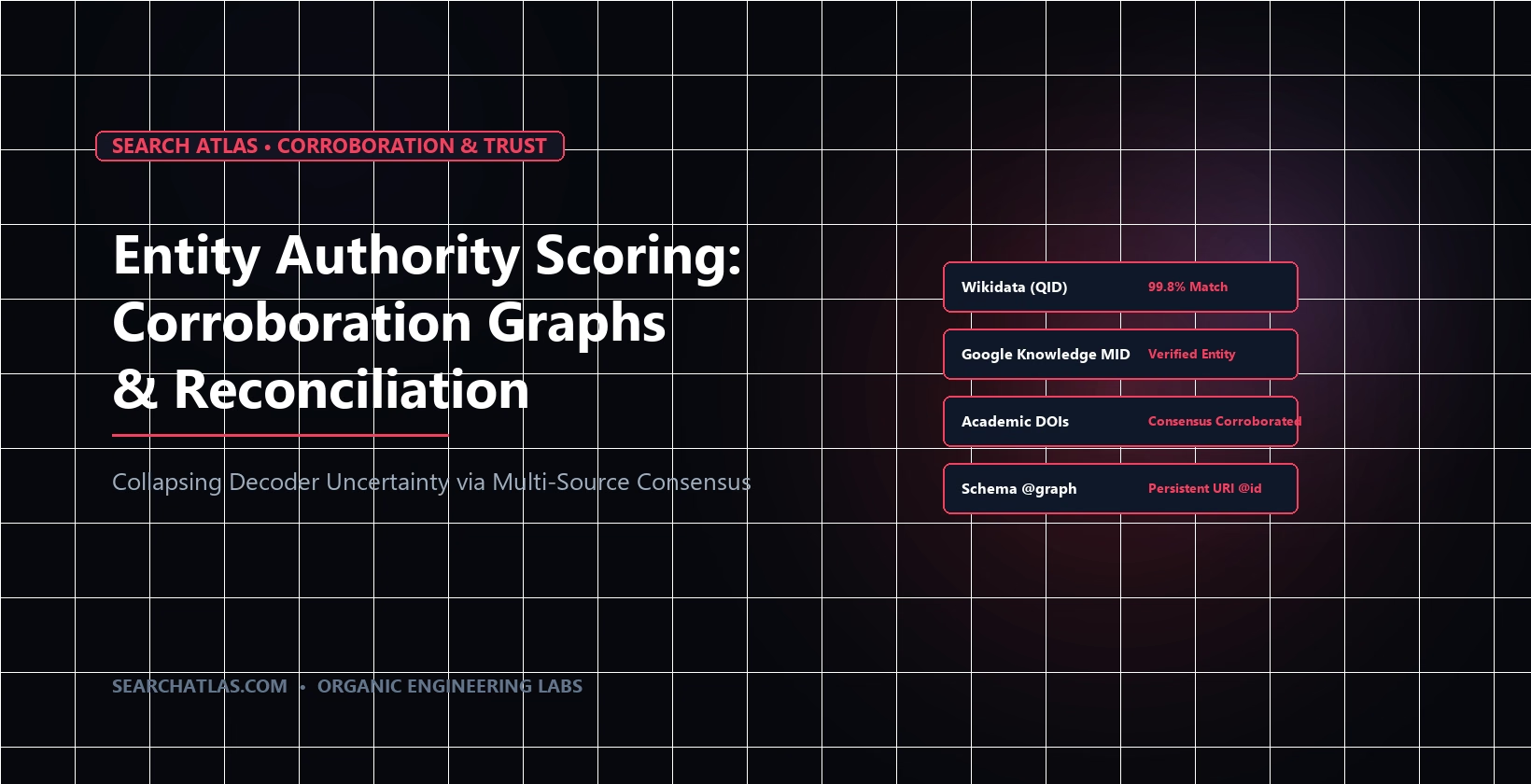
- Entity Graph Integration: Establishing clear canonical associations within Google Knowledge Graph and Wikidata so language models recognize your brand as an established market player.
- Answer-First Passage Architecture: Placing direct, factual definitions in the opening sentence of each section, enabling RAG retrieval systems to extract relevant passages without truncation.
- Third-Party Citation Authority: Earning editorial mentions in independent industry reviews and collaborative software benchmarks.
For a detailed methodology on tracking and capturing conversational demand, read our comprehensive guide on AEO for SaaS and inspect your brand placement with LLM Visibility tracking.
The 5 Pillars of the Search Atlas SaaS Growth Engine
Search Atlas delivers a unified organic growth platform purpose-built for the technical, operational, and commercial demands of SaaS businesses:
1. Autonomous Technical Remediation with OTTO
OTTO SEO automates technical optimization, content refreshes, and internal link distribution across enterprise software platforms.
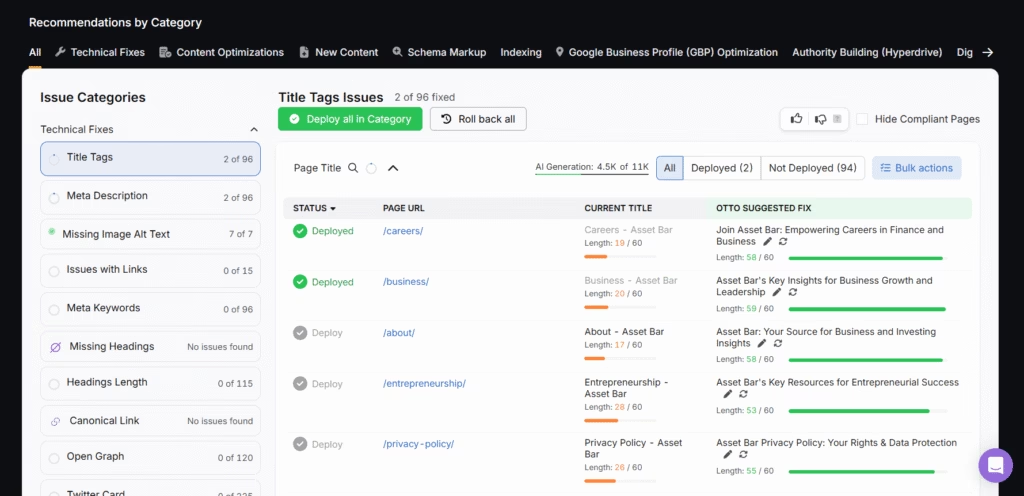
SaaS engineering teams rarely prioritize marketing technical debt over product roadmap feature releases. OTTO connects to your CMS and Google Search Console to deploy automated header tag fixes, canonical alignment, 301 redirection rules, and schema markup without requiring engineering sprint cycles.
2. High-Intent Keyword Intelligence and Clustering
SaaS keyword research requires identifying high-conversion search queries rather than chasing high-volume vanity phrases.

Search Atlas provides real-time access to a 5.2-billion keyword database. The platform analyzes competitor keyword gaps across up to 6 competing domains simultaneously, identifying untapped commercial search terms that drive verified trial sign-ups.
3. Semantic Content Authoring with Content Genius
Content Genius guides content production to ensure every published article matches search engine semantic expectations and passes human editorial standards.
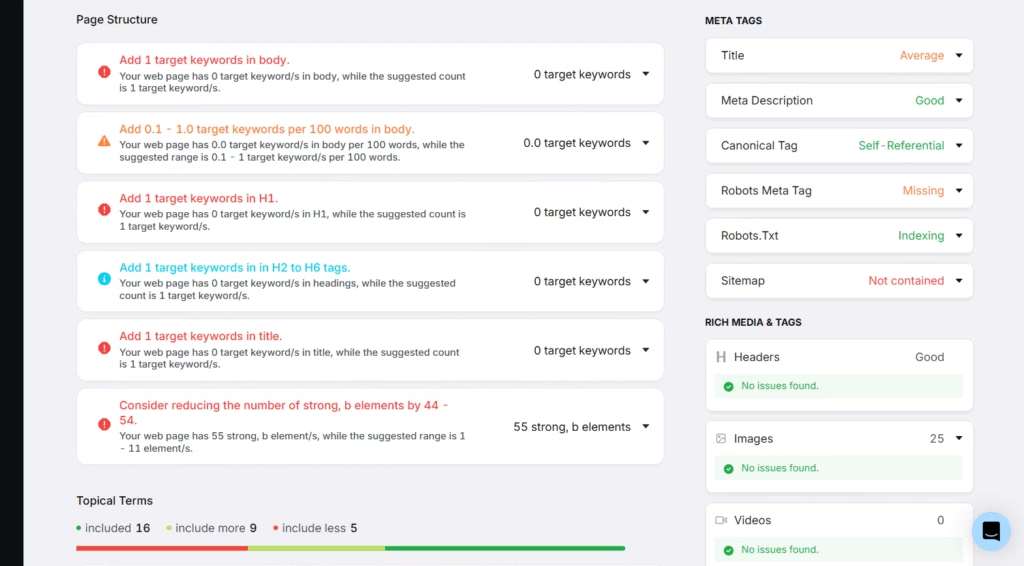
The platform evaluates real-time SERP data, recommending semantic entities, heading structures, and topical depth requirements. Authors produce authoritative guides that satisfy user intent while outranking legacy software documentation.
4. PageRank DAG Internal Link Engineering
Internal PageRank flow directs search equity from high-authority educational articles to commercial conversion landers.

Search Atlas visualizes your entire internal link network as a directed acyclic graph (DAG). The platform pinpoints orphaned software feature pages, identifies link authority bottlenecks, and recommends contextual internal link bridges to accelerate indexation.
5. Multi-Client Agency Portals and Enterprise Governance
Agencies delivering SEO fulfillment for external software brands require multi-client governance and branded reporting.
With Search Atlas, agency teams manage multiple SaaS client accounts under custom domain portals with role-based access controls. Discover how leading agencies package their services in our white label SEO software platform guide and our B2B SEO platform analysis.
Search Atlas Pricing Plans
Search Atlas provides transparent subscription plans designed to support software companies at every growth stage:
| Plan | Price | Target Team | Key Features Included |
|---|---|---|---|
| Starter | $99 / mo | Early-stage software startups | Baseline keyword tracking, site auditing, and content optimization. |
| Growth | $199 / mo | Scaling SaaS platforms | Expanded crawl limits, multi-domain tracking, and competitor keyword gap analysis. |
| Pro | $399 / mo | Established software leaders | 5 seats, 4 OTTO projects, 100 GSC projects, 6,000 tracked keywords, and white-label client dashboards. |
| Enterprise | Custom | Global software corporations | Custom API data quotas, dedicated onboarding engineering, and SLA guarantees. |
All plans provide access to OTTO SEO, Site Auditor, Content Genius, SCHOLAR, WILDFIRE, and real-time reporting, drawing on one shared monthly pool of Universal Credits.
Start your 7-day free trial today to audit your software site and model payback, or request an enterprise quote for dedicated engineering onboarding.
Frequently Asked Questions
What is the typical timeframe to see organic revenue growth from SaaS SEO?
SaaS SEO typically yields leading indicator gains (impressions and ranking movements) within 4 to 8 weeks, with measurable trial sign-ups and ARR growth compounding significantly between months 3 and 6.
How does OTTO SEO apply fixes without breaking software applications?
OTTO operates through verified reverse-proxy edge scripts or secure CMS plugins, modifying front-end HTML delivery without altering underlying application source code or database configurations.
Can SaaS companies rank for competitor brand keywords?
Yes, SaaS companies legitimately rank for competitor alternative terms (such as "competitor alternative" or "competitor vs yourbrand") provided the page delivers factual, transparent, and legally compliant product comparisons without deceptive branding.